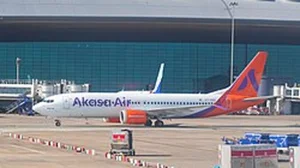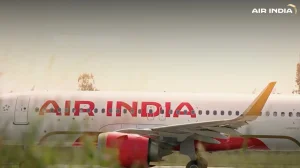
Wilson explained that airlines have started adding a fuel surcharge to the cost of tickets to deal with the increasing price of aviation turbine fuel (ATF). These surcharges for flights within India are around 400 rupees, and are even higher for international flights. While these surcharges help the airline maintain its profits, fares can’t go up forever.
He pointed out that not all passengers are willing to pay higher prices, and if prices get too high, fewer people will fly. He also added that because of more general economic worries, people might be less likely to travel for work, which would mean even fewer bookings.
Operational impact and route disruptions
Since the conflict began, Air India has cancelled approximately 2,500 flights to the area, and is now only running about 30% of its regularly scheduled flights to Western Asia. The main reasons for these cancellations are airspace closures and safety.
Flights going a long distance to Europe and North America are being flown along longer routes. This is increasing how long the flights take and how much fuel they use. Wilson says these longer routes are creating more difficulties than past problems, and are really putting a strain on the entire airline system.
Financial timing and cost controls
Wilson believes the full effect on Air India’s finances from the increase in oil and energy prices will be clear when the price of ATF is updated next month. ATF is priced and changed monthly, so airlines don’t see the impact of changes in oil prices on their fuel costs immediately.
He’s asking all teams to be very strict about expenses and to cut back on anything they don’t absolutely need now so the airline can be stronger. The memo says that the airline may need to reduce the number of flights it offers depending on how fuel prices and how many people are flying change, in order to keep the airline financially stable.
Industry responses and flight reductions elsewhere
Other international airlines are already reducing how much service they provide due to similar issues. Leaders at other airlines have publicly stated they might get rid of flights that don’t make money and get ready for oil prices to remain high. One major airline recently said they will cut some routes over the next few seasons and expect high oil prices for several years.
Scandinavian airlines operating in that region have also announced significant reductions to their schedules in the short term. This shows what is happening throughout the industry: when fuel prices suddenly increase, airlines must decide between offering lots of routes and making sure each flight is profitable.
Leadership transition and strategic implications
People within the company say that Air India’s owner is considering changes to who is in charge and may replace Wilson before his contract is up in the middle of 2027. People who are aware of the situation say the chairman has been looking at how well Wilson is doing and looking at people from outside the company who could be the CEO.
Wilson started working at Air India in July 2022 and has been in charge of combining it with another full-service airline. He has a lot of experience in the airline business, having been a leader at both full-service and budget airlines in Asia and elsewhere.
What travelers and markets should expect next
In the very near future, passengers should expect to pay more when fuel surcharges are added, and there is a greater chance of flights being cancelled or taking longer because of routes being changed. Companies might make their travel rules stricter and postpone trips that aren’t essential.
For people who have invested in airlines and those who follow the industry, the combination of fuel prices that keep going up and the possibility of fewer people flying raises questions about how airlines will manage the number of flights they offer, how much profit they make on each route, and how much cash they have on hand in the short term. Airlines that quickly stop unprofitable flights and control their spending will be in a better position if oil prices stay high.
Campbell Wilson’s message to Air India employees is that the airline is getting ready for more difficult conditions and is considering both immediate and long-term plans to deal with higher fuel prices and unpredictable demand. What Air India does next about how many flights to offer, how much to charge, and who will be in charge will affect employees, passengers and the entire airline industry.