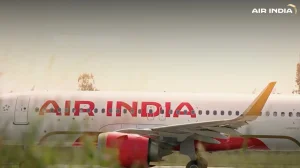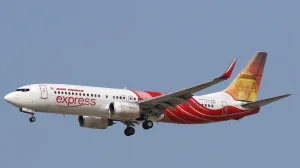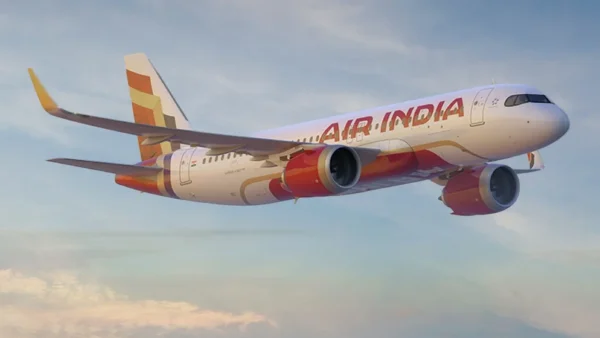
Air India will have a very important board meeting in Mumbai on May 7 to get its improvement plan back on track. Most of the discussion will be about cutting costs and selecting a CEO. The Tata Group airline is expecting to lose over 22,000 crore rupees in 2026, and the fighting in the Middle East is making flights longer and using more fuel.
Who will lead the airline is a really important question. Singapore Airlines owns 25.1% of Air India, and Campbell Wilson is planning to leave later this year. The people on the board need to decide how much to continue with things as they are and how much to change. People with knowledge of the situation have even suggested the unusual idea of having two people as Managing Director or CEO.
Why May 7 matters for Air India’s turnaround
The airline’s international routes have been impacted by closed airspace and increasing fuel costs. In a message to staff on May 1st, Wilson explained that many international flights are now losing money, and so they have begun cutting flights in April and May, with even more cuts planned for June and July.
Domestic flights are also making less profit, but not as much as international flights, because the government has limited how much the price of fuel for domestic flights can go up to 25%. The outcome of the meeting will show how much Air India will adjust the number of flights and prices during the summer.
Ahead of the meeting, here is what directors are expected to examine:
– Cost-saving measures that can be implemented quickly
– CEO succession and leadership structure
– Financials for 2025-26 and risk outlook
Cost playbook under review
They are thinking about “unbundling” services. Air India is considering a cheaper ticket price that doesn’t include meals, and allowing business class passengers to pay extra for access to airport lounges. The goal is to maintain their income from fares while also giving passengers who are more sensitive to price a wider choice. These are still just ideas, and a final decision hasn’t been made, according to people who know about them.
Restrictions on airspace because of the problems in the Middle East are making many flights go a longer distance, and therefore use more fuel. This, combined with the rapidly increasing price of jet fuel, is making things harder. Tata Sons and Air India haven’t said anything about the discussions that are happening.
Implications for flyers and rivals
Wilson says the airline has increased fares and added a fuel surcharge to cover some of the costs, but when prices get too high, fewer people want to fly. If Air India does start offering different options for what’s included in the ticket, other airlines might have to do the same, but without reducing the money they make from their more expensive tickets.
Leadership search and governance
N Chandrasekaran, Chairman of Tata Sons, will lead the board as they decide on the change in CEO. People being looked at for the job include people already working at Air India and Singapore Airlines, as well as people from Europe, say sources.
The board members are Chandrasekaran, Wilson, Goh Choon Phong (CEO of Singapore Airlines), and four others: Sanjiv Mehta, Alice Vaidyan, P R Ramesh, and P B Balaji. Whoever is chosen to be the leader will affect how quickly the airline makes improvements to its planes, routes, and what it offers customers, all of which are important to the airline’s long-term plan.
Industry pressure and what comes next
The whole airline industry is facing a lot of difficulties. On April 26th, Air India, IndiGo, and SpiceJet told the government that the industry is under a lot of pressure and close to shutting down, and asked for the price of jet fuel to be changed and for financial help.
The expense problems haven’t gotten better. On May 1st, the price of jet fuel for international flights went up by just over 5% in the monthly adjustment. And on April 29th, Willie Walsh of IATA (the International Air Transport Association) warned that there could be a shortage of jet fuel in Asia and Europe, and that the high costs are already showing up in the price of tickets.
Around the world, airlines are focusing more on controlling costs. Some have reduced the number of flights, and Spirit Airlines, a very cheap airline in the US, has stopped flying altogether. For Air India, the biggest challenge right now is to get the price, what’s included in the ticket, and the number of flights balanced quickly enough to have enough money, while still continuing with its long-term plans for improvement.
The May 7th meeting will show if Air India will make small changes or more significant ones. Passengers might find that fares aren’t quite so shocking if they have more choice over what they pay for. And Air India’s choices might change how all airlines compete with each other for both people who want luxury and people who are looking for a bargain this summer.