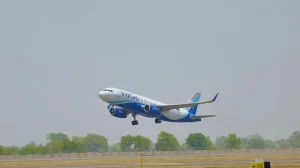
The largest airlines in India are rejecting the government’s rule for airlines to allow passengers to select at least 60% of seats on a flight at no extra cost. IndiGo, Air India and SpiceJet, through the Federation of Indian Airlines, are concerned the rule will cause fares to go up as they try to make up for the money they won’t get from seat selection.
Background of the 60 percent free seat rule
The Ministry of Civil Aviation has told the aviation authority to make sure airlines offer a minimum of 60% of the seats on each flight without a fee for choosing them. This is to make sure people have a fair chance at getting the seats they want and to stop the increasing costs of ‘extras’ that passengers have complained about.
This instruction comes because airlines charge very different amounts for seat selection, usually from around 200 to 2,100 rupees, depending on the seat’s position, how much legroom it has and other things. The government is describing this as protecting customers and limiting what they call unfairly high prices for extras.
Airlines’ objections and the Federation’s letter
The Federation of Indian Airlines has written to the head of the Civil Aviation Ministry asking them to rethink and cancel the order to the Directorate General of Civil Aviation. The group says the airlines were not asked their opinion and are warning the order will have bad and unexpected results for the airline industry.
The Federation of Indian Airlines says that the money from seat selection is a valid way for airlines to make income, and as they don’t make much profit anyway, it’s important. They say if they can’t make money from, or limit, extras, they will have to increase the basic ticket price and all passengers, even those not choosing a seat, will end up paying more.
Ancillary revenue and financial pressure on carriers
Globally, the extra fees airlines charge have become a significant part of how much money they make, and Indian airlines use them to cover their increasing costs. Fuel, repairs and airport fees are all going up, and the rules allow airports to get back all their costs. This puts more financial pressure on airlines.
Airlines have told the government they are under even more financial strain because of higher jet fuel costs due to problems in the world. The Federation of Indian Airlines says limiting seat selection fees could reduce how easily they can change things to suit the business and cause a drop in income that they would need to balance out by increasing fares or changing other services.
Impact on passengers and consumer welfare
The government’s view is that letting most passengers choose their seats for free protects them from excessive extra charges and makes it easier to get the seats they like. For many people, especially those travelling with family or needing seats together, this new rule would seem to be a good thing right away.
However, people in the airline industry say making seat selection free for a lot of passengers will simply mean the cost of seat selection is added to the price of the ticket for everyone. They say this would particularly affect people who are looking for cheap flights and reduce how cheap and varied travel options are.
Regulatory risks and next steps
The Federation of Indian Airlines says this order could be the start of the government getting involved in the prices of all extras and creating uncertainty for future business decisions. They have asked the ministry to discuss the issue with all involved before making a final rule.
What happens next could be official discussions, talks between the airlines and those in charge of rules, and perhaps changes to the order. Airlines might also try to use legal or administrative means if they think the government is interfering too much in how they decide their prices.
This disagreement shows a common problem in policy: protecting what customers want, while also allowing the market to work in a way that helps companies deal with increasing costs. How the regulators find a balance between these two things will decide if the final result lowers extra charges, increases the basic fare, or finds a middle ground that changes both the price and how clear the pricing is.