Air India explained that the issue with this other company’s system affected the check-in systems at several Indian airports. Since lots of airlines use these systems from the same provider, the problem caused delays for more than just one airline. Airport employees had to use backup plans while the system was being fixed.
Impact on passengers and operations
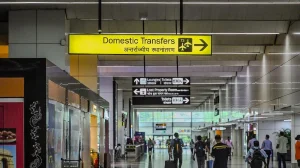
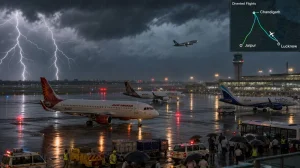
At Indira Gandhi International Airport in Delhi, the increase in delays and cancelled flights put a lot of strain on things, and this usually continues all day as planes and crews aren’t where they’re supposed to be, and it takes longer for planes to get ready for the next flight.
Air India gave advice to travellers: check your flight’s status before leaving for the airport, and allow more time for the lines. The company later said the system of the outside provider was fully fixed and check-in was working as normal, but warned that some flights might still be late until everything is running smoothly.
Why vendor outages spread quickly
When a provider’s system goes down, it slows down checking in, dropping off luggage, and getting your seat, which makes long lines and people missing their connecting flights. And even when the systems are back up, delays can keep happening because of rules about how long flight crews can work, whether there’s a gate available for the plane, and how the delays affect the entire schedule.
Airports and airlines generally deal with flights in order of which ones have connecting flights, crew work limits, and scheduled time slots. This helps to lessen the effects of delays, but it might mean that some routes and times of day recover more quickly than others.
Here are a few things you can do: check your flight’s status live on the Air India website at https://airindia.com/in/manage/flight-status.html, arrive at the airport earlier than normal (especially if you are checking luggage or need help from airport staff), make sure the airline has your current contact information for updates about your flight and any changes to the gate, and if you have a short time to connect to another flight, think about changing to a later flight if possible. Also, listen to what the airport and airline staff tell you about where to line up, when to drop your luggage, and how long it will take to get through security. These actions can make things less stressful while the airlines deal with the problem and get the planes and crews organized.
A pattern of tech stress in Indian aviation
This issue comes after other recent problems with systems. At the beginning of November, a problem with the software in Delhi Air Traffic Control’s system for sending information about planes slowed down the process of approving flight plans and caused widespread delays. By 9am that day, over 150 flights were already delayed, and in total, hundreds of flights were affected, putting a lot of pressure on the terminals.
The Ministry of Civil Aviation also told Parliament that flights near Delhi and other large airports had been experiencing fake GPS signals and interference with the GNSS system in the last year. Although this is separate from the provider issue on Tuesday, these signals show how complicated flying is now. Digital systems and making sure navigation is accurate are just as important as having enough runway space. relying on outside companies for vital things like starting flights, dealing with passengers, and tracking luggage. If a system that many airlines share breaks down, many airlines are affected at the same time, and the disruption is much bigger. Fixing the problem isn’t just about the technology; it’s about getting planes matched up with their crews, giving them a place at the airport, and getting permission from Air Traffic Control, and all of that takes time, even after the system says it’s working.
This is why airlines and airports are increasingly focusing on being able to bounce back from problems: having extra data centers, using multiple “cloud” systems, testing the failover system, and practicing what to do manually. Managing the provider effectively, knowing how long it should take to fix problems, and doing practice scenarios with everyone involved can make outages shorter and help passengers get through them.
Regulatory backdrop and safety measures
In addition to being able to recover from operational problems, regulators are improving the rules about safety on the plane and managing power, and are even suggesting rules about carrying power banks. At the same time, Air Traffic Control and the airports are updating older systems for sending messages and increasing cybersecurity to protect against fake signals and interference. Working together to invest and have standard ways of doing things will reduce how often and how serious these problems are.
Outlook: recovery underway, vigilance required
Now that the outside company’s system is working, Air India says that flights are starting to return to their normal schedules. However, some flights might still be delayed as the system handles the backlog and planes get back to where they are supposed to be. Passengers should keep checking their flight status, allow extra time, and follow the airline’s advice about changing their flight if needed.
For India’s aviation industry, this latest problem is a reminder that reliable digital systems are now a fundamental part of how things work. Being able to handle technical, operational and regulatory problems will be crucial to keeping passengers moving when the next system failure happens.