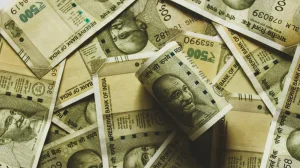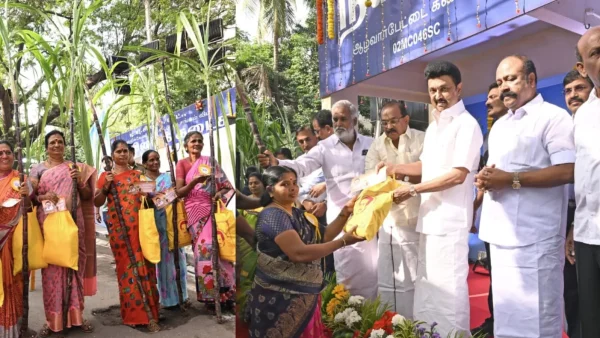
The state’s tradition of welfare during festivals was highlighted when Stalin said each family that qualifies will get a package of one kilo of rice, one kilo of sugar, a piece of sugarcane, a dhoti, a saree, and the Rs 3,000. The distribution will be through Public Distribution System stores all over the state, and is meant to be completed before Pongal.
Pongal Welfare Package: Announcement, Scope, and Political Reactions
Right away, the opposition saw the package as something being done to try and win an election. The AIADMK pointed out that while in opposition, the DMK had once asked for a bigger amount, and wondered why the government waited so long into its time in office to increase the Pongal gift.
The party also connected the announcement to how the government was trying to get people to vote for them, and said the government wasn’t consistent with its promises – like about employee pensions.
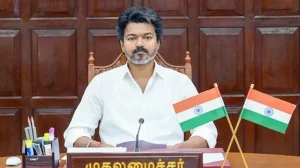
Actor Vijay’s TVK group agreed with the criticism, saying the measure was a political show put on as if it was help for poor people. TVK said the state had only given Rs 1,000 in 2021, and said the increase wasn’t really about helping people.
Sugarcane Politics and the Farmers’ Question
A stronger point of attack was about how farms were being dealt with. TVK said the government hadn’t yet finished the steps or prices for buying sugarcane, even though it was ready to be harvested. They claimed that saying there was a sugarcane piece in the package without clear buying terms would hurt farmers.
The government has said the package is for the festival, and is meant to make sure families can celebrate properly. Including the camps with Sri Lankan Tamils shows an attempt to cover as many people in need as possible.
Tamil Nadu has a long history of Pongal packages and help during certain times of the year. Different governments have given food, cloth, and a little money with the festivals. But the amount of money and the size of this year’s package make it important in politics.
Fiscal Cost, Governance Capacity, and Implementation Risks
Financially, the money alone means a lot of spending. A simple calculation shows Rs 3,000 for 2.22 crore people is about Rs 6,660 crore. The things in the package and the cloth would add more cost, and there’s also the cost of getting things to the stores and of running things.
This spending will test the state’s ability to manage its money and get enough revenue. A lot of money being spent on welfare is normal in Tamil Nadu, but it needs careful buying, delivery that doesn’t have things being stolen, and checking things to be sure, to keep the public’s trust and to avoid the budget getting out of control.
How it’s done will be watched as much as what the government is trying to do. Distributing through PDS can get things to a lot of people, but it needs accurate lists of who gets help, enough people to handle the money, and clear times for giving things out. Delays or not having enough stock could lessen what the plan does, and cause more criticism.
Electoral Stakes, Voter Impact, and What to Watch Ahead
It’s hard to miss the fact that this is about the election. Parties have already started campaigning well before the 2026 Assembly election. The AIADMK has started going around the state to get support for what they’ll put in their platform, and TVK is making a case against what the current government says about welfare.
For the DMK, this announcement shows they support people in society, and is sometimes called the Dravidian way of governing. For the people against them, it’s a clear incentive before the election. Both sides will depend on how it’s done, not just what’s in the news.
What farmers are worried about could be key. If the government quickly makes clear the prices and times for buying sugarcane, it can lessen the criticism and make the festival fit with what’s going on in farming. If not, the idea of a package with sugarcane could go wrong in the country.
For families, the Rs 3,000 is important. It can pay for food, energy bills, or school things – especially when costs keep going up. The rice, sugar, and cloth make up the cultural and useful parts of Pongal.
Due to the absence of the election code of conduct
Because the election rules aren’t in effect yet, the plan doesn’t have any problems stopping it for now. The main questions are how open things are, how fast it goes, and how fair it is. Voters will probably judge the package less by what’s said on X and more by whether the money and things get there on time.
What to watch for next: official orders about buying sugarcane, a detailed plan for when PDS stores will give things out, ways to deal with complaints, and real-time updates on how many people are covered. In Tamil Nadu’s high-stakes political economy, giving help during festivals is both a sign to society and a test for voters.