On Tuesday, police filed the chargesheet versus the seventeen, claiming the killing was done because of ‘political revenge’ and was ordered, it is said, by the Awami League. During a press conference as detectives gave the document to the court, Md Shafiqul Islam, Deputy Commissioner of the Detective Branch of the Dhaka Metropolitan Police, explained the supposed reason.
The Chargesheet and Those Accused
The chargesheet lists seventeen people suspected of involvement, including Faisal Karim Masud, who police say was the one who shot Hadi. Police report that twelve of the people accused are in custody, and five are still free. Taizul Islam Chowdhury Bappi – one of those accused – is said to have helped the main suspects get away after the attack, and is connected to leaders in the local Chhatra League and a nomination for an Awami League position in a ward.
The Reason Police Are Calling it ‘Political Revenge’
Investigators discovered that Hadi had openly criticised the now-illegal Awami League and its student section, the Chhatra League, by way of public meetings and social media. According to Md Shafiqul Islam, the accused responded to these criticisms, and the victim’s political statements – along with the accused’s connections – show that the killing was politically driven, and not a chance event.
Who the Victim Was, and What Happened When
Sharif Osman Hadi, aged 32, was a well-known speaker for Inqilab Moncho, and became famous during the July-August 2024 public demonstrations that brought down the government led by Hasina. Hadi was shot in the head on December 12th, whilst taking part in an election drive in Dhaka. He was flown overseas to be treated, and died on December 18th. He was to be a candidate for Parliament in the February 12th elections.
Details of the Investigation, and Questions About Events in Other Countries
Police state that the shooter had a direct link to the Chhatra League, and that some of the accused helped suspects to escape. The authorities filed the chargesheet one day before the date they had announced, giving the strength of the evidence as the reason, and with increasing public protests asking for justice. Claims that suspects had gone over the border have been denied by officials from other nations, which has added a diplomatic side to the investigation.
How People Reacted, and the Effect on Law and Order
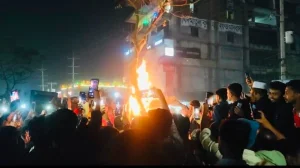
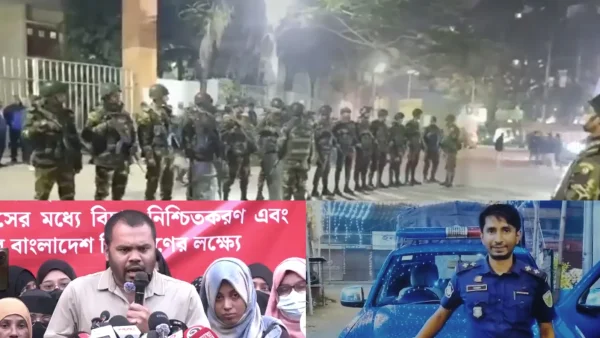
Hadi’s death started protests and disorder in parts of the nation. People who protested asked for quick arrests and open trials, and there were some instances of people taking the law into their own hands, including attacks on the press and cultural groups, and a case of someone being killed by a mob in a central area. Authorities are under pressure to bring back peace and make sure there is legal responsibility, without making things worse.
Why the Chargesheet is Important
The filing of a formal chargesheet moves the case on from investigation to prosecution, preparing for court sessions that will check the evidence and the police’s conclusions. In a politically sensitive killing, the chargesheet is a key document which makes the legal story, and names the people who are said to have done the crime – and helped them.
What to Look Out For Now
Those who study the law will watch whether the arrests lead to people being found guilty, and how the courts judge the claim about the political reason. What happens to the five people accused who are still at large, and any investigations into events in other countries, could affect how much trust people have in the justice system. People expect requests for independent examination, considering the wider political problems around the case. The Hadi murder case is where crime, politics, and public protest all meet. As the legal process goes on, open sessions and a full showing of the evidence will be vital to maintain the rule of law, and to deal with the complaints that have caused the unrest.