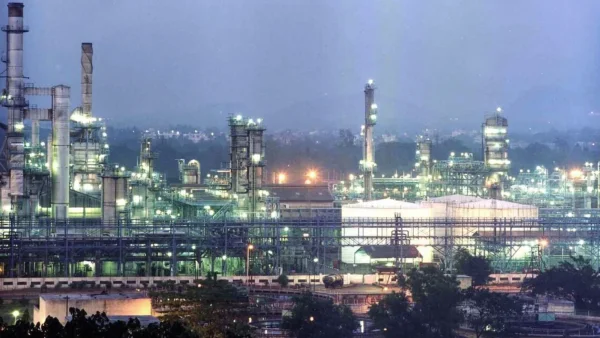
In total, India has spent €162.5 billion on all types of Russian fuels (oil, coal, etc.), with €143.88 billion going to oil and €18.18 billion to coal. India, which is the world’s third largest oil importer, quickly stopped buying as much oil from the Middle East. Russia had a lot of oil available at low prices because of the sanctions and because European countries were buying less.
Before the war, Russia supplied less than 1% of the oil India used. But at its highest point, Russia was providing almost 40% of India’s oil, as Indian companies that refine oil wanted to make a profit and have a steady supply. This helped control rising prices in India and increased the profits of the companies that refine oil, even though it was becoming more risky to arrange shipping, insurance, and payment for the oil.
China and the EU remain central to Russia’s revenues
China has spent the most on Russian fuels – €293.7 billion (including €210.3 billion on oil, and also coal and gas) since February 2022. The European Union has spent €218.1 billion, which is divided between €106.3 billion on oil, €3.5 billion on coal and €108.2 billion on gas.
A Euro 1 trillion fossil‑fuel war chest
The Centre for Research on Energy and Clean Air (CREA) estimates Russia has made around €1 trillion from selling fuels all over the world since the invasion of Ukraine. About one-fifth of that money comes from the EU, and most of that is from gas. This money continues to pay for the war in Ukraine, even though countries are trying to limit how much money Russia gets through restrictions and price limits.
Sanctions, alignment, and non‑alignment
The G7 countries and the EU have used restrictions on trade and exports, but these haven’t been approved by the United Nations Security Council. China, India, Iran, the United Arab Emirates, Israel, Saudi Arabia, Turkey and Serbia aren’t in favor of these restrictions imposed by one country.
Loopholes, pipelines, and a shadow fleet
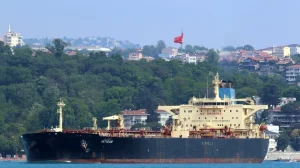
Even with the restrictions, some Russian oil still gets to parts of the EU, particularly Hungary and Slovakia, because of special agreements about pipelines. Oil products made from Russian oil have also been sold to countries with restrictions. Russia has created a “shadow fleet” of ships to transport oil, and gas that isn’t restricted continues to flow to European countries that are allies.
Imports of Russian fuels to the EU have fallen since December 2022 (when restrictions on oil were put in place) and February 2023 (when restrictions on oil products were put in place). As of September 2025, only Hungary and Slovakia are still getting Russian oil through pipelines. But Russia’s gas is not restricted and is still a major source of income for Russia.
India’s Russian share retreats under fresh pressure
New restrictions from the US on the companies Rosneft and Lukoil started on November 22nd, 2025. Since then, Russia’s share of the oil India buys has gone below 25% and may fall even further as companies think about the risks. In early January, India bought €72.92 million of oil a day from companies not under sanctions, down from €130.49 million in late November.
In July 2023, India bought €189.07 million of oil a day, so you can see how much the amount has decreased. It’s now more difficult to get oil from Russia because of more careful checking, higher costs for transport and insurance, and stricter ways of making sure the oil is okay to buy.
Refiners recalibrate strategies
Reliance Industries, which used to be India’s biggest buyer of Russian oil, has stopped buying it at the moment and doesn’t expect to get any in January. They’ve also stopped using Russian oil to make fuel for export. HPCL, HMEL and MRPL have also paused purchases, because of the increasing risk of sanctions and difficulties with transport.
Indian Oil Corporation and BPCL are still getting oil from Russian companies that aren’t under sanctions. Nayara Energy (which is partly owned by Rosneft) which is already under EU sanctions, continues to buy from Rosneft and other Russian sellers. Although the EU doesn’t allow fuel made from Russian oil, Australia, Canada and the US haven’t said they will do the same for these products.
Economics vs. geopolitics
The cheaper Russian oil really helped with India’s import costs and how much profit the oil companies made. But the increasing restrictions and enforcement of them are raising costs and legal dangers. This is slowly leading India to go back to oil from the Middle East and other places, and to have a wider range of suppliers that are following the rules.
What to watch next
Important things to watch are: more careful enforcement of price limits, restrictions on shipping and insurance, and checking the ownership of ships and where the oil comes from; Russia’s ability to build up or continue using its old "shadow fleet” and to change where the oil goes; the EU’s reliance on gas and what happens to the pipeline agreements with Hungary and Slovakia; and how much of India’s oil comes from Russia each month, and whether imports fall to their lowest level in many years.
The bigger picture for energy policy
India is still focusing on getting oil at a price it can afford, being sure of its supply, and following the law. People who make policies and the oil companies are finding a balance between having enough fuel at home, meeting environmental and financial goals, and avoiding being sanctioned by other countries. This balance will decide how India gets its oil until 2026.
A data‑driven bottom line
Here’s a quick look at the spending:
– India: €143.88 billion on oil, €18.18 billion on coal from Russia since February 2022.
– China: €293.7 billion in total, including €210.3 billion on oil.
– EU: €218.1 billion in total, with €106.3 billion on oil and €108.2 billion on gas.
– Russia: Approximately €1 trillion from worldwide sales of fuels since the war started.
India’s €144 billion on oil shows they were willing to respond firmly to a changing and unpredictable market. As restrictions get tighter and the price difference gets smaller, things are changing. In the future, India will likely buy less Russian oil, get oil from a wider range of suppliers, and carefully check every barrel of oil that comes into the country.