Flights in Greece were stopped on Sunday morning after the radio frequencies suddenly went down, meaning a huge number of travellers were stuck and airports couldn’t really do anything. The trouble started about 7am, and got worse very quickly, with the people in charge stopping planes from arriving or leaving at the bigger airports while they looked at safety.
The press office at Athens airport said no plane had landed or taken off for at least two hours. The Greek civil aviation authority said some planes flying over Greece were still allowed through, but that airports weren’t working normally for safety reasons. Many flights – dozens – were put back or cancelled because the controllers were having trouble getting normal communications back.
Panagiotis Psarros, who leads the Association of Greek Air Traffic Controllers, said this was a ‘very serious’ thing. He said: ‘For some reason, all the frequencies were suddenly lost… we couldn’t talk to planes in the air.’ What he said showed a central problem, and not just a few bits of tech going wrong.
Psarros also said the problem looked to be from a failure in the main radio frequency systems at the Athens and Macedonia control centres. Athens is the largest air traffic control centre in the country, and looks after a very large Flight Information Region. If there’s a big problem there, it affects routes over the country’s air, and in the area.
The leader also said the equipment was ‘old-fashioned’, and the tech was ‘almost ancient’ – and controllers had repeatedly said they were worried. While the real cause wasn’t yet clear, officials and unions pointed to the age of the systems as a long-term risk to safe, dependable air traffic control in Greece.
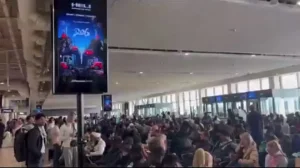
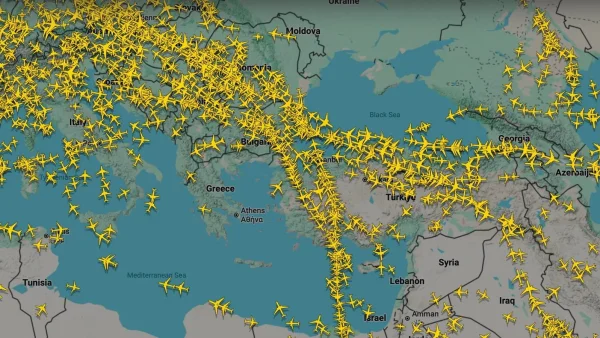
Flight trackers showed that Greek air space was mostly empty while the problems continued. More than 75 flights were delayed, and the buildings at the airports became crowded as people waited for news. Some planes which were already flying were sent a different way, or told to circle, until controllers were sure the communications were safe.
Why losing radio frequencies is so dangerous
Radio communications give pilots and controllers a link in real time, helping with takeoffs, approaches and the routes planes take. Without reliable frequencies, controllers can’t give instructions or manage the flow of traffic safely. That means they have to immediately stop things, ground flights and close airports to avoid planes hitting each other in the air, or on the runways.
A person at the Transport Ministry said some planes going north and east were allowed to leave later as some services started up again. At the same time, a person speaking for the Airports Authority in Israel warned travellers that Greek air space would stay closed until 2pm, and said that planes arriving or leaving could be very late.
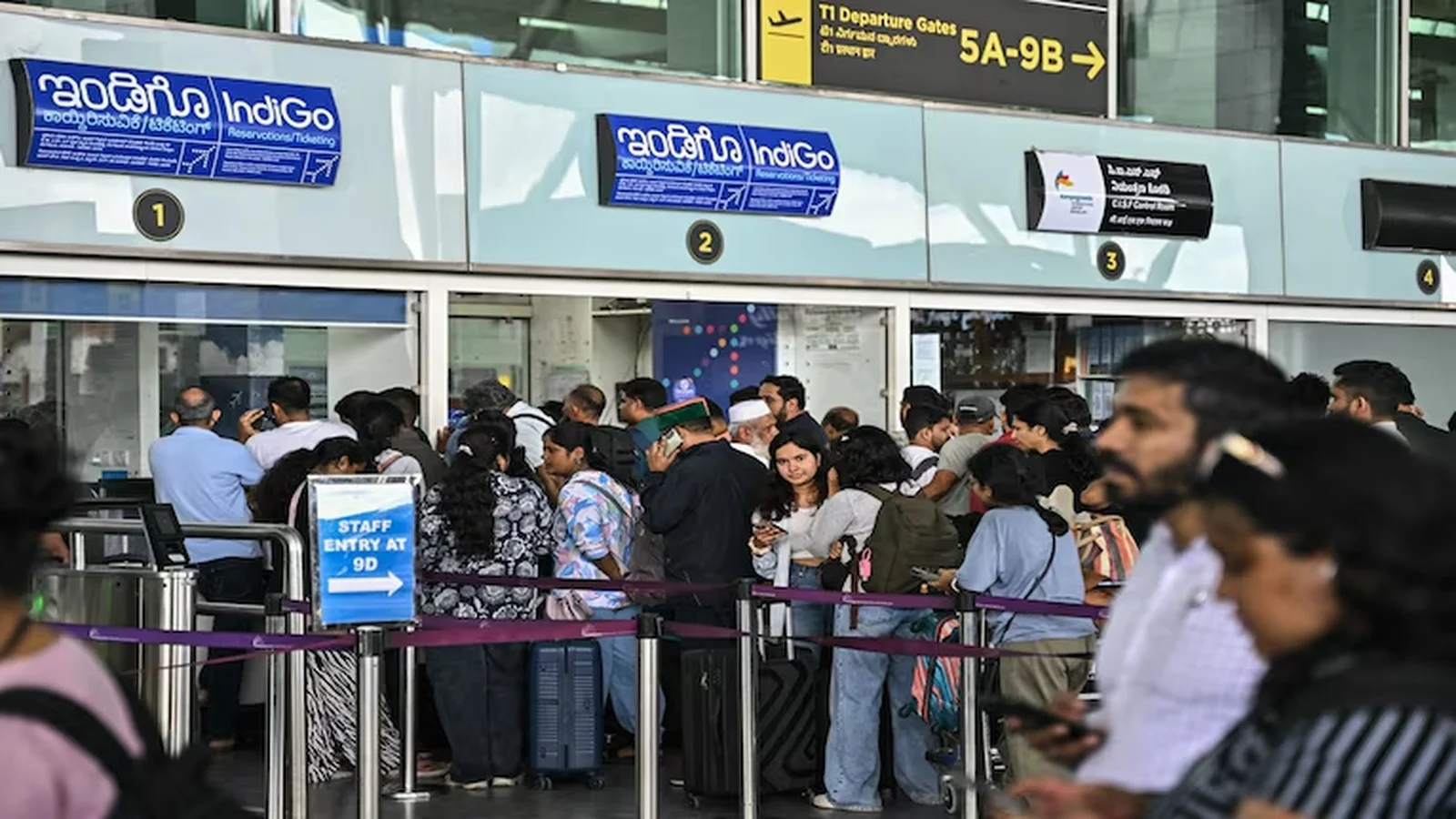
For the travellers, this meant they didn’t know what was happening, and it was annoying. People were told to check their flight times with the airline, get help with rebooking, and look at official sources for news. People at the airports which were affected said there were long lines and crowding at the information desks as the airlines tried to put people on different flights, or send them a different route.
The issue shows bigger problems with policy and investment. People who know about aviation say that modern radio and radar systems, ways to make sure things are safe if one system fails, and regular checks are all really important. What the controllers said about old equipment makes the calls for money to be put where it’s needed, and for getting new equipment quicker, more urgent – to avoid this happening again.
People are investigating to find the exact technical reason for the frequencies going down. The people in charge must find a quick way to get services working again, but also do full checks to be sure safety isn’t put at risk. Being open about what they find, and when things will be done, will be important to get people to travel with confidence again.
In the meantime, airline plans will probably be affected for days. People should expect delays to spread across Europe, and even further. The people in charge said safety came first, and that being briefly unable to travel, while annoying, stops much worse things happening when the communication systems don’t work.