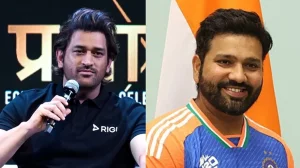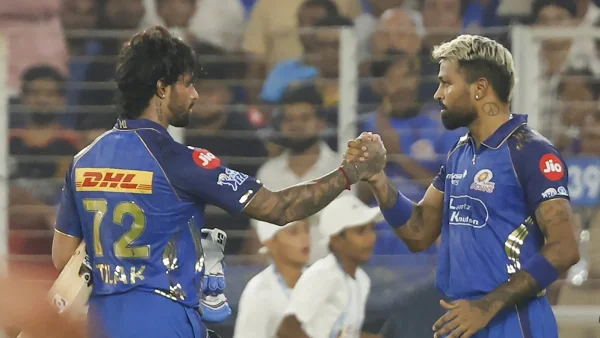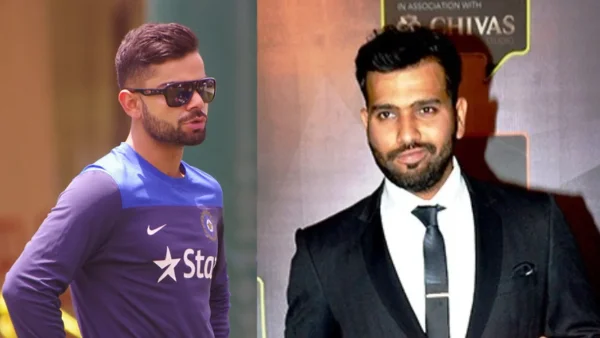
Kohli and Sharma’s choice to play more ODIs has started people talking about what the future holds for the format. Ex-India all-rounder Irfan Pathan says those in charge of cricket ought to benefit from this renewed interest by changing how countries play each other, and by putting on more ODI events with a lot of nations, while both of these very famous players are still at their best.
Why Pathan thinks Kohli and Rohit can bring ODI cricket back
Pathan shows that there are clear signals: stadiums are full, and more tickets are sold whenever Kohli or Rohit are playing. He pointed to a big jump in people wanting tickets for the recent game in Vizag, only after Kohli’s hundred in Ranchi got the public interested. He says this sort of attraction to the game caused by big names is a chance in the short term that those in charge shouldn’t miss.
Pathan has put forward some sensible things to do. Rather than the usual three-match contests between two countries, he suggests five-match ODI series – and even three or four-nation competitions outside of the World Cup times. He states more games with Kohli and Rohit in them would keep supporters interested and make the format worth more financially.
Playing in the country is important too
Pathan also drew attention to the fact that the pair had come back to play in their own country. Rohit brought in large crowds to Jaipur, and Kohli being in the domestic one-day games got attention, even when some of the games weren’t open to the public. He thinks that if they continue to play at home, it will help the next lot of players to come through and keep interest in ODI cricket going between international tournaments.
Ashwin’s warning: what will happen after 2027?
Not everyone is hopeful for the long run. Ravichandran Ashwin has voiced his worries about whether ODI cricket will be able to continue after the 2027 World Cup. Ashwin says Kohli and Rohit have made the format important again, but he is concerned about who will take on that job when they stop playing.
His point shows a problem with the way things are: unlike Test cricket – which now has a championship that is well-established – and T20 cricket, which is powered by world leagues, ODI matches between two countries often do not have a clear, consistent reason for being. A number of countries also use ODIs to give chances to players who aren’t first choices, or to young players, which can lessen how interested people are right away.
What the ICC is doing and changes to the format
Cricket’s world organisation hasn’t been doing nothing. It has changed rules at times to favour bowlers, and is looking at bringing back a well-organised ODI Super League – actions aimed at putting meaning and balance back into 50-over international cricket. These policy choices could make more sense of games between two countries and give a route for regular, competitive games.
But changes to policy on their own might not be enough. Pathan’s idea of putting on more well-known, five-match ODI series or events with many teams in them, while Kohli and Rohit are still key players, could be a useful link between making money in the short term and making lasting changes to the way the game is organised.
What those who organise games should think about next
Those who organise games should see the popularity of Kohli and Rohit as a chance to act, and not a permanent solution. Things to do in the short term are to add more five-match ODI series, put on three-nation events at places that aren’t the home of any of the teams, and advertise domestic one-day tournaments when stars are in them. In the long term, moves should be aimed at building new stories about ODIs: models of leagues that can go on, a bigger Super League with real things at stake, and development of young players that produces new players that fans will love.
Supporters will watch closely when Kohli and Rohit play again in January, against New Zealand, in a three-match ODI series. That series could be a test of how much people want to see the game, and set the tone for creative ways of arranging games before the 2027 World Cup.
In short, experienced people in the game are urging action: make use of the appeal of superstar players now, but also link it with changes to the way things are organised so that ODI cricket lives on and does well even when a new group of heroes has to step up.