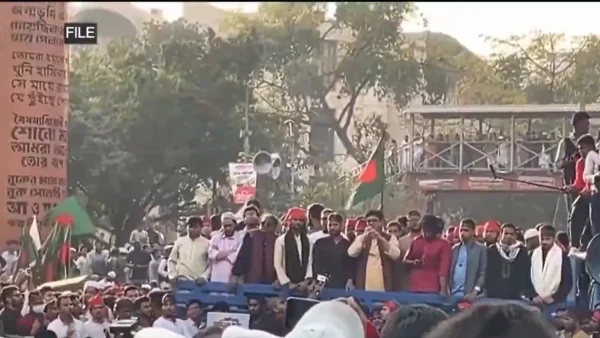
For the second day in a row, Assam’s West Karbi Anglong saw violence, with trouble in Kheroni during demonstrations asking for Hindi-speaking people to be evicted from village and professional grazing reserves. On Tuesday, as rock-throwing got worse, police used batons, tear gas and rubber bullets to break up the opposing groups.
Reports say at least eight people were hurt in the fighting, and 38 police were also hurt. The Director General of Police – who went to the areas affected – said he was hit by a stone during the unrest. More police have been sent to calm things down.
To stop rumours and prevent things from getting worse, the Assam government stopped mobile internet in Karbi Anglong and West Karbi Anglong. The order, issued under section 5(2) of the Indian Telegraph Act and the rules from 2017, says public safety is the reason. Voice calls and fixed-line broadband still work.
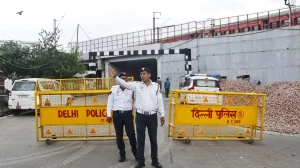
Also, authorities banned public meetings under section 163 of the Bharatiya Nagarik Suraksha Sanhita. A night curfew was put in place in Karbi Anglong, stopping people from moving around between 5 pm and 6 am. Even with these bans, large numbers of people – including traders whose shops had been burned the day before – came together in and around Kheroni.
What brought on the latest fighting
For two weeks, members of the Karbi people had been on a hunger strike, asking for Hindi-speaking families – mostly from Bihar and Uttar Pradesh – to be evicted from officially designated grazing reserves. The protesters say this land is protected for tribal use and that the government has not acted against people illegally occupying it.
Things got worse after a crowd set fire to the home of Tuliram Ronghang, the chief executive member of the Karbi Anglong Autonomous Council, on Monday. About 15 shops and many vehicles were also burned in Kheroni Bazaar. Police later said they stopped an attempt to attack the local police station.
On Tuesday, groups who were against each other met in the Kheroni market area and near Zero Point, even though restrictions were in place. Rock-throwing started from both sides, hurting protesters, police and reporters. Security forces answered with batons and tear gas to break up the crowds.
Political contact and talks
Chief Minister Himanta Biswa Sarma said the situation was very serious and that the government was trying to bring order back. Senior minister Ranoj Pegu got to Kheroni late Monday and met the protesters. After his request, the protest leaders called off their hunger strike and said they would talk with the Karbi Anglong Autonomous Council and the state government.
Officials say the chief minister will chair a three-way discussion to deal with the problem. The government has asked for patience, saying the problem should be solved by talking – not by fighting in the streets.
The land rights problem and what the law says
The trouble is about Village Grazing Reserves (VGR) and Professional Grazing Reserves (PGR) – types of land which were historically meant to help people whose living depended on raising animals. In February 2024, the Karbi Anglong Autonomous Council ordered more than 2,000 families to be evicted from these reserves, claiming they were occupying the land without permission. Many of those affected were Hindi-speaking people.
That action faced problems in the courts. A petition in the Gauhati High Court led to a temporary stop, halting any further eviction actions. Protesters say this allowed new illegal occupations, while community leaders say that only a process which follows the courts and is kind to people can solve the competing claims.
The council – a Sixth Schedule body – governs Karbi Anglong and West Karbi Anglong with a great deal of independence. However, the latest violence has raised questions about balancing the constitutional protections for tribal areas with the rights and safety of people who are not tribal.
Who are the people involved
The Karbi people are Assam’s third-largest tribal group, making up about 11.1% of the state’s tribal population. Groups in civil society in the area have for a long time asked for stricter enforcement of land protections under the Sixth Schedule. They say the balance of people in the area and traditional rights are at risk.
Non-tribal people – including many Hindi-speaking families – say they have lived and traded in the area for years and should not be seen as outsiders. They have reported attacks on shops and homes, asking authorities to give them equal protection and pay for their losses.
What the security measures and internet suspension mean
The government says stopping mobile internet is a short-term step to keep peace, stop false information and stop things which might encourage tensions. The order warns that trying to get around the restrictions could lead to legal action. District officials and phone companies have been told to enforce the suspension until they are told otherwise.
Police said two motorcycles were burned on Tuesday, and several shops and businesses belonging to non-tribal people were set on fire near Zero Point. The response from the police and other law-and-order forces is to stop a chain of revenge attacks and protect public buildings.
Calls for calm and what happens next
Opposition leaders and local representatives have asked the government to act quickly and fairly. Some were shocked at the burning of the council chief’s home and asked everyone to be careful to avoid more harm.
At the moment, a lot depends on the talks which have been promised between the council, the protest leaders and the state government. A lasting solution will probably need a clear plan – which follows the courts – for checking land titles, enforcing protections on VGR and PGR lands, and making sure people are helped to move or are given new homes where needed.
As Kheroni and the areas around it remain tense, the main thing is to bring calm back, protect all communities and base any action on the law. The coming talks will test whether talking can succeed where force and anger have failed.