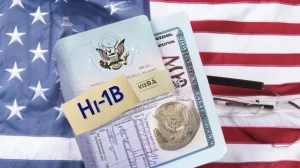
The United States recently clarified how the $100,000 fee on H-1B visa applications will work. This fee was started by a presidential order during the Trump administration, and USCIS (United States Citizenship and Immigration Services) has now given much clearer information to those with visas and the companies that hire them. Specifically, international students already in the country and people who already have visas will get a break, and many of those people are from India.
Understanding the H-1B Visa Fee Context
The Trump administration started the $100,000 fee as part of a larger plan to control the H-1B visa program. The H-1B program is very important to many businesses, especially in the tech world. The original plan aimed to stop what the administration thought was misuse of the program, but it wasn’t many questions about how it would actually work. USCIS’s recent announcement answers those questions by saying exactly who will pay the large fee and who won’t.
Who is Exempt?
One of the most important things to know is that international students in the U.S. on F-1 visas who are switching to an H-1B visa do not have to pay this fee. This is important for recent college graduates who want to get a job without having to come up with a lot of money. USCIS has said people changing their immigration status while in the U.S. (going from an F-1 student visa to an H-1B work visa) won’t be charged. Many people in universities and businesses, and a large number of H-1B visa holders from India, will be relieved to hear this.
Also, people who are already in the U.S. with valid visas, like L-1 visas (used by big companies to move employees between countries) won’t have to pay the fee when they ask to change or extend their visa status. Because they can change their status without extra costs, they can continue to work in their fields without money problems getting in the way.
Who Must Pay?
However, people applying for an H-1B visa from outside the U.S. will have to pay the fee. Also, if USCIS decides someone’s status change or extension isn’t allowed, or if the person leaves the U.S. before the request is finalized, the fee will be due. Employers will need to be careful about these rules to make sure they don’t get unexpected costs when hiring.
Potential Waivers and Payment Procedures
USCIS has a place to pay the fee on pay.gov, and they’ve also described when a waiver (being allowed not to pay) might be available. Waivers will only be given in very unusual situations, when there isn’t anyone in the U.S. who is qualified for the job, or when hiring a foreign worker is in the country’s best interest. But if an application doesn’t have proof of payment or an exemption, it will be immediately refused.
These instructions give businesses some clear guidance for dealing with this complicated situation, although some people think the fee will still cause trouble for smaller businesses and the flow of international skilled workers.
Implications for Indian Students and Professionals
This clarification is very important to Indian students and professionals, who make up a huge part of the international workforce in the U.S. Almost 27% of all international students in the U.S. are from India, and these changes will lessen their concerns about moving from being a student to having a job in the U.S.
By saying who has to pay the fee and when it might be cancelled, USCIS has given clearer advice during the continuing debates about immigration policy and how it affects businesses that need workers from other countries.
Conclusion
This is an important step toward making the complicated rules about H-1B visas easier to understand. While problems will likely remain for new applicants who are not in the U.S., these clarifications will make it easier for many people who are currently in the U.S. to continue their lives and work.
As businesses continue to need skilled workers from all over the world, it’s very important for both employers looking for people to hire and individuals looking for work in another country to understand these detailed regulations. These recent rules show how vital it is to stay up-to-date and be prepared when dealing with immigration policies that affect how people move around the world and how the economy grows.