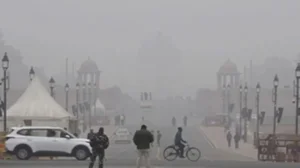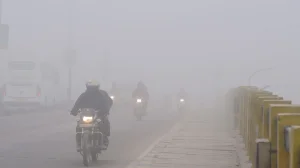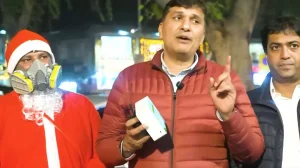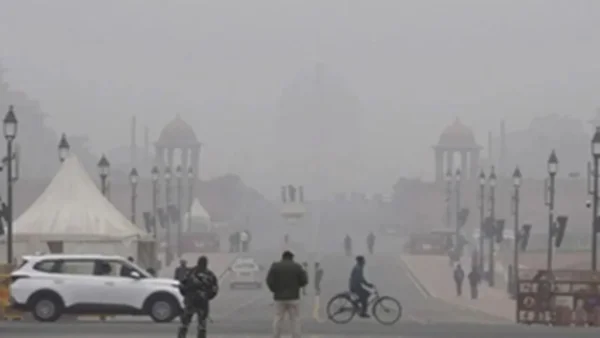
Delhi’s sky became unclear again this Diwali, as air quality went down to very unsafe amounts all over the country’s capital. Even with requests to not overdo it, and the Supreme Court only permitting green firecrackers, pollution went up – pushing Delhi’s Air Quality Index (AQI) far into the ‘very poor’ and ‘severe’ levels.
Poisonous Air Covers the Capital
By Monday morning, the AQI in the city was, on average, 345 – a big jump from the 326 that was recorded the day before. Information from the Central Pollution Control Board (CPCB) showed that 34 of the 38 monitoring stations in Delhi showed pollution in the ‘red zone’. The areas most badly hit were Anand Vihar (AQI 417), Wazirpur (423), Ashok Vihar (404), and Dwarka (417) – all in the ‘severe’ range.
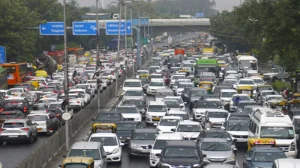
Based on data from the Decision Support System (DSS), vehicle fumes made up around 15.6% of the city’s air pollution, while industry and dust made up over 23%. Because Diwali fell at the same time as still air and high dampness, pollutants stayed near the ground, making a dense layer of smog.
Government Steps and Requests for People to Act Responsibly
Because things were getting worse, the Commission for Air Quality Management (CAQM) put Stage II of the Graded Response Action Plan (GRAP) into effect throughout Delhi-NCR. This was done from Sunday, and told authorities to increase dust control, control building work, and limit diesel generator use.
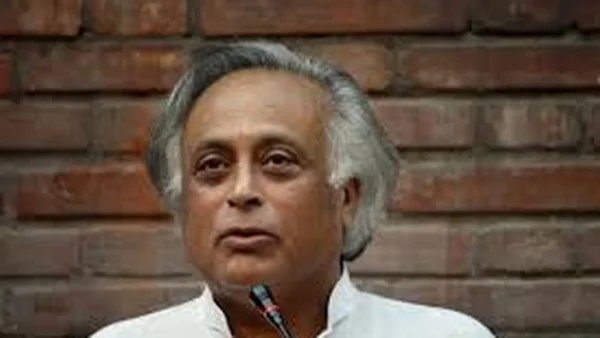
Delhi Chief Minister Rekha Gupta asked people to follow the Supreme Court’s order, which only allowed green firecrackers at certain times – 6 a.m. to 7 a.m. and 8 p.m. to 10 p.m. “Let’s mark Diwali in the old way – with diyas, sweets, and colours – not smoke,” she said, asking everyone to share in the job of keeping the air something people could breathe.
Health Professionals Warn of Problems with Eyes and Lungs
The worsening smog has caused health worries, mainly for people at risk, like children, old people, and those with breathing problems. Doctors who look at eyes say eyes are usually the first to suffer when pollution is high. Small particles in the air make the eye’s tear film unstable, causing redness, burning, itching, and not being able to see clearly.
Dr. Prabhjot Kaur, a leading eye doctor at a Delhi hospital, said that “being in polluted air for a long time can start allergic conjunctivitis and long-lasting dry eye syndrome”. She told people living there to not wear contact lenses on days when the AQI was high, to wear glasses that go around the sides of the face when outside, and to wash their eyes with sterile salt water when they got home.
Doctors who look at the lungs have also given advice, saying people should not do much outdoors, use N95 masks when they go out, and keep the air good inside with cleaners or humidifiers.
A Festival of Lights in Sad Skies
All over India, the feeling of Diwali was still strong, as people decorated homes, went to temples, and gave each other sweets. Prime Minister Narendra Modi marked the festival with navy people on board INS Vikrant off the coast of Goa, showing the country’s thanks to those who defend it. At the same time, cities such as Jaipur, Varanasi, and Kolkata had lively festivals with lights and temple bells.
But in Delhi and nearby areas, the joy of the festival came with a clear shade of grey. Weather experts said pollution would stay ‘severe’ for the next few days, and the unclear air would likely get thicker as winter came on.
As the marking of the festival ends, Delhi is clearly reminded that being aware of the environment is no longer something people can choose to do. The festival of lights, which is meant to get rid of darkness, now also has to show the way to cleaner air and ways of marking the festival that can go on.