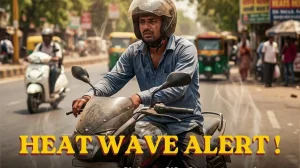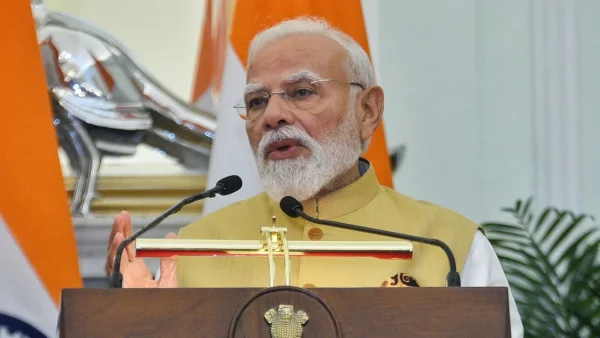
India wants to have absolutely no deaths during heat waves in the near future, a very ambitious goal. Amit Shah announced this new plan from the Ministry of Home Affairs, and said this is about moving from responding to risks to reducing them before they become emergencies, something every city and state expecting hotter temperatures needs to do.
Why this pledge matters now
Heat waves are now a significant problem, and Shah explained the Ministry has a plan to deal with them with the intention of zero deaths in the next few years. The government’s main aim is still to have no deaths and as little damage as possible from all disasters, including cyclones, earthquakes, and flooding.
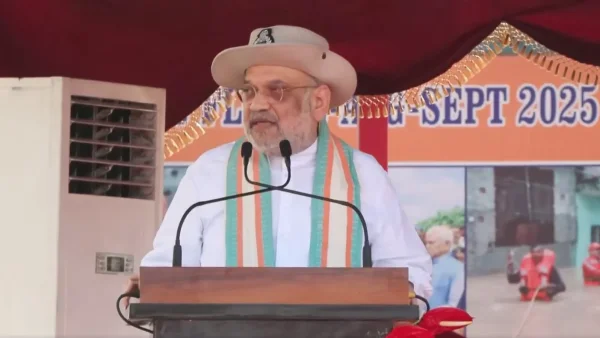
In a message from the ceremony in Ghaziabad, Shah repeated that India needs to be prepared for disasters, not just react to them. He pointed out that India is known globally as a leader in disaster management and as a quick responder when a crisis occurs, and told the NDRF to be prepared for the effects of a warming world and climate change.
What the new direction signals
This declared goal makes a direct link between what the government does and what actually happens. If the plan is put into practice well, it should mean central and state government agencies work together more closely, local areas can make decisions more quickly, and the public gets better information before a heat wave hits.
Here are the key official positions as outlined by Shah:
– Zero casualty during heat waves in the next few years
– Zero casualty and minimum property damage as core aim
– Proactive approach to disasters over reactive response
– India positioned as global leader and first responder
NDRF honoured amid heightened expectations
This message came on a day to honor the people on the front lines of disaster work. Amit Shah gave the President’s Colour to the NDRF at their 8th battalion campus in Ghaziabad, an award given to military or police groups for outstanding work.
This award comes as the NDRF celebrates its 20th anniversary, having been created in 2006 as a national team to provide help and rescue during both natural and human-caused disasters. Shah said the NDRF’s work has earned them the respect and trust of people in India and other countries.
Piyush Anand, the head of the NDRF, noted the amount of work they do: the force has carried out over 12,000 operations since it began. Currently the NDRF has 16 operational battalions (groups) around the country, with a total of approximately rists 18,000 staff.
A wider ecosystem gets a nod
Shah was clear that the President’s Colour isn’t only for the NDRF. He said it also acknowledges the work of the disaster response forces in each state, the state government services, the National Cadet Corps, the National Service Scheme, and Apda Seva Mitras (disaster service friends), all of whom are part of the system that helps the country withstand disaster.
This view expands the number of people who are responsible. As heat waves become more intense, these groups will be key to giving early warnings, contacting communities, and making sure safety measures are followed at the local level.
Impact on the ground and the road ahead
Promising zero deaths from heat waves sets a higher standard for preparation. Whether or not it’s achieved will depend on being ready before the temperature rises, having clear procedures for what to do, and getting the public involved when advice is given. Agencies are expected to act beforehand, not when the emergency has already begun.
Shah urging preparation for climate change is asking the system to plan for many different hazards at the same time. He connected the plan for heat waves with a wider safety plan that aims to reduce losses from cyclones, earthquakes and floods, showing that the government’s priorities will stay the same even as the risks change.
What to watch next
The next few months will show how this shift to being proactive actually works. How the NDRF changes its role, how well the states work together, and how consistently the public is informed during heat wave warnings will show if the goal of zero deaths is realistic. For now, the award and the plan make it very clear what is expected: prepare in advance, and save lives.