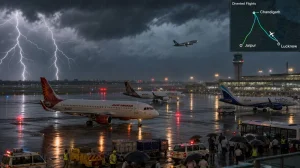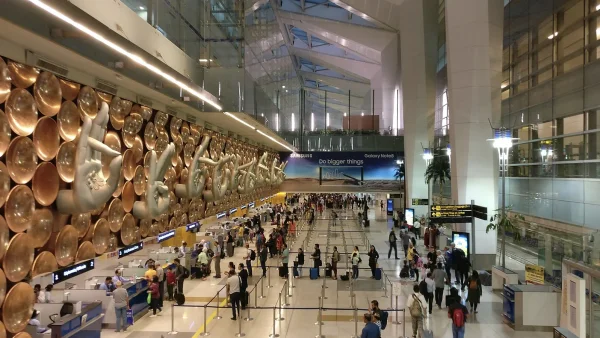
Dense fog covered Delhi on Monday, which made for a big problem at the airport, with 131 flights leaving and 97 coming in being called off as, in the early part of the day, people could barely see at all. Five more flights had to land at other airports. At IGI, things were running under CAT III rules – these allow planes to land in very poor visibility, but greatly reduce the number of planes that can take off and land, and mean aircraft must be further apart.
The large number of flights cancelled left a lot of people stuck, or needing to make new arrangements at very short notice. This came after an IndiGo problem which led to many domestic flights being cancelled, putting more strain on the air system which was already under pressure.
Why is dense fog such a problem?
Winter fog in the north of India forms fast, just before sunrise, and can stay until late in the morning. Even with Category III instrument landing systems, only pilots who have been trained, and planes which are fitted for it, can fly, and the number of planes the runways can deal with falls a lot. This causes a build-up of delays, people missing connecting flights, and limits on how long crews can work.
Air traffic control and ground staff try to balance safety with the number of planes, but when visibility stays low, there are sure to be cancellations and diversions. On foggy days, the first flights to take off are usually the ones most affected, and this has an effect throughout the day.
What the authorities and airlines are saying
The Ministry of Civil Aviation gave a strong fog warning for the north of India, and asked people to make sure of their flight times using airline websites and apps, and to allow more time to get to the airport. Officials said that air traffic control and ground staff were doing their best to cut down on problems, and that the safety of passengers came first.
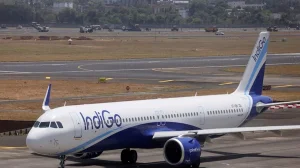
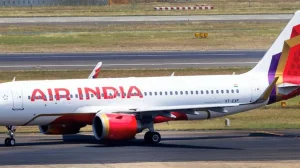
Airlines such as IndiGo and Air India said that the thick fog over Delhi and nearby airports may carry on affecting flight times. They told customers to keep up to date with what was happening, and to use online methods to book again. Delhi Airport also warned of delays and said that operations were going on under CAT III rules.
Air quality makes things worse
The weather problem came at the same time as a rise in air pollution. Delhi’s Air Quality Index stayed in the ‘severe’ range, with some readings near 498 out of 500. Poor air, and low visibility, together made health risks worse, especially for those with breathing problems, children and older people.
What travellers should do
The authorities told people to spend as little time outside as possible, to wear well-fitting N95 masks when they had to go out, and to keep air cleaners working inside, if they had them. People travelling with breathing problems were told to carry any medicine they had been given, and to see a doctor if their symptoms got worse.
What your rights are when the weather causes problems
Under Indian rules, cancellations caused by the weather are usually ‘extraordinary circumstances’. You may not be able to get money back, but airlines must offer a full refund or another flight, at no extra cost, if one is available. If you booked with a travel agent or an online travel agency, arrange changes through the same channel.
Keep receipts if you have expenses during long delays; while getting money back is not certain in weather events, detailed records can help with claims or travel insurance.
What to expect in the next few days
Weather people expect foggy mornings to go on, especially between just before dawn and the middle of the morning. If visibility stays low, Category III operations at Delhi airport will continue, and flight times may be reduced during busy times. People should be ready for delays which come and go, until things get better.
For the moment, the best thing to do is to be flexible, watch airline notices closely, and allow extra time. Safety-first operations may make journeys slower, but they make sure that flights only go ahead when conditions and crews are within the limits they are allowed.