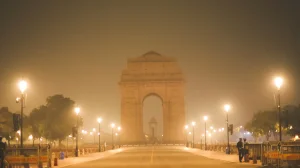
The dangerous condition of New Delhi is making it difficult for us to breathe. A tremendous number of sick people are cashing in at the health care service, with the doctors from almost all parts of the capital city of India reporting a 90% jump in patients suffering from respiratory diseases. They are voicing very loud the silent cry of a public health crisis, menacingly symbolized by the stuck-at-the-severe-zone Air Quality Index (AQI).
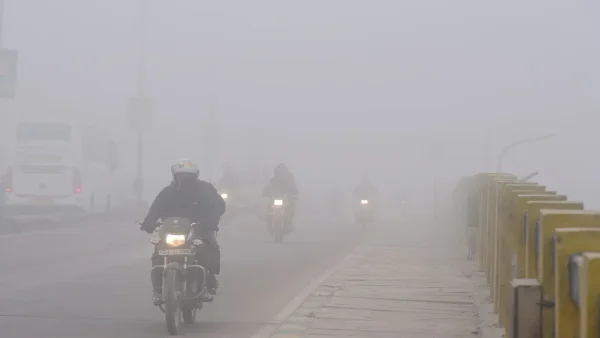
The info on the table is very dire. During the course of Monday, Delhi’s AQI was in the serious category, with the readings from different parts of the city going up to high 400s in the morning and all the way down to low 400s in the evening. The thick fog was a cause for the poor visibility and at the same time it was the reason, the residents ended up in burning eyes, scratchy throats, and relentless coughs, according to the Central Pollution Control Board’s monitor.

What is making the 90% rise in OPD visits?
The main factor causing the problem is small particles in the air, especially PM2.5, which is breathed deep into the lungs and absorbed into the blood. According to the experts in respiratory diseases, if a person breathes the air polluted with fine particulate matter for longer periods, the chances of them getting an asthma, chronic bronchitis, hearth attack, stroke, or weak immunized system diseases, health will also be affected by the pollutions.
Moreover, the same exposure to low-quality air pollution makes people more prone to the allergic effect and eye irritation.
It is not just an inconvenience that lasts for some parts of the year; it is a serious health issue having a broad impact. Medical doctors urge patients to take care of their mental health as well as the body for which the long-term noxious agents we breathe can be a culprit to the moodiness, anxiety, and poor attention. People who are at the highest risk are the young, the old, the pregnant, and the ones living with chronic diseases and conditions of the respiratory or cardiovascular systems.
Children are at the worst
Pediatricians keep on reporting that the cases keep on going up even at an alarming rate. The most worrying aspect of it all is that the number of children who are hospitalized due to respiratory infections, with an increasing number, was over 90% of all pediatric outpatients at one point last month. Many of the kids present with a very severe form of asthma as well as chronic wheezing, tightness in the chest, and the coughing that keeps the whole household from sleeping.
Child impact: Why the Hazard? There are three main reasons explained by doctors. First, they are smaller in size and might be in close contact with ground-level pollution, which on very low and still wind locations might be too high for them. Second, many of the children experience mouth breathing as the only option due to nasal blockages that bypass the nose’s filtration. Third, their respiration rate is higher; thus, they inhale more pollutants.
Moreover, the lungs and other organs of children are still in the process of development so the organs can be severely damaged and the damage can last for long. That demands more protection for them with targeted measures at home and in schools.
What the Situation Is Like in Adults as Per Doctors’ Observations?
There are two groups that pulmonologists are seeing. The first is youth or young adults not feeling sick otherwise but are showing up with symptoms like 24/7 coughing, sore throat or runny nose. Lung examinations will likely be often normal but the markers for airway inflammation are high. The doctors emphasize that antibiotics cannot cure the pollution-related cough or shortness of breath.
The second category consists of individuals with pre-existing heart or lung conditions. They are coming to the hospital with severe shortness of breath, higher oxygen needs and having to use a nebulizer frequently. Many are having exacerbations due to air pollution.
The cardiologists point out that not only the gaseous pollutants like nitrogen oxides but also the particulate matter cause the inflammation of the blood vessels. This, in turn, can destabilize plaques and increase the risk of heart attacks. Besides, there are also the winter viruses around, so the doctors’ advice is to limit outdoor spending and cover the face with a mask when going out.
Government response and forecast
As the Air Quality Index or AQI remained at severe levels in most places, Wazirpur came up with some of the worst numbers in the city. The Air Quality Early Warning System anticipates that the weather will be very unhealthy and this condition will stay this week as there will be a heavy fog on Tuesday and with temperatures to range between a maximum of 23°C and a minimum of 10°C.
The government of Delhi has virtually moved the whole education of the classes from nursery to class 5 to the internet until the situation with the air gets better. The higher classes will be having their classes in a combination of online and in-person classes from before. The authorities are saying that their main goal will be to help the children to stay away from the most polluted air.
The authorities on the ground have taken a step higher and have after reviewing all the different pollution sources where people’s lives are affected directly or indirectly, the aim being to have the current environmental health crisis under control by December 31, have decided to abide by stricter regulations on the online monitoring of the pollutants that are being released with measures such as, but not limited to, the control of abrading road surfaces, the use of anti-smog guns and water spraying, and the planting of trees in the open spaces under the guidance of the newly-formed Commission for Air Quality Management.
How to protect yourself now
– minimize your exposure to outside air in the fresh air space especially at the time when atmospheric inversion is keeping the pollution in the near-surface layer.
– Wear a well-fitted N95 or N99 mask outdoors; lightweight cloth masks don’t filter PM2.5.
– Close all windows when the pollution is at its highest; open them for a short time when the Air Quality Index (AQI) decreases.
– Air purifiers should be used properly: continuously in closed rooms and the filters should be changed on schedule.
– Stay away from heavy outdoor exercise; go for gentle indoor workouts or do a guided breathing exercise.
– Do nasal rinses with saline, drink enough water and regularly use the inhalers provided for your asthma or COPD.
– Not at all advisable to start an antibiotic treatment for cough related to pollution on your own; to avoid overuse, you should always consult your physician first.
– People suffering from heart or lung diseases should have their medications with them at all times and they should limit their exposure to sudden changes in air quality.
Recognize when to go to the doctor right away. Very high fever, chest pain, lips turning blue, a sudden onset of extreme difficulty in breathing or new onset of confusion or a sudden drop in oxygen saturation are symptoms that should make you seek medical help urgently. In children, if you notice rapid breathing, chest retraction (when the chest appears to be caving in), poor feeding or wheezing does not stop, it’s time to go to a doctor, preferably to a facility that has a pediatric unit.
A long journey ahead
Short-term advisories do help, but the smog that is a constant presence in Delhi is a problem that demands something more rooted and structural. The experts argue for the switch to cleaner fuels and transport, the much quicker electrification of fleets, the stricter enforcement of industries, and the hard and fast control of the construction dust. Moreover, it will also help mitigate the particulate matter loads if the waste is handled in a better way and the urban spaces are made greener in a systematic way.
Public awareness is as important as air purification. Communities can check the air quality, schedule their activities during cleaner hours, share their cars or make use of public transport, and use cleaner heating and cooking options. The employers can go as far as implementing flexible working hours or allowing employees to work from their homes on days when there is an especially high level of pollutants which results in one important thing – less exposure and fewer vehicles on the road.
Clean air is a fundamental human right and not a luxury. With hospitals already overwhelmed and families worried, the message is quite clear: people need to take immediate personal precautions, the authorities need to enforce the policies consistently, and the general public needs to take part in the process of cleaning the air and keeping it like that.