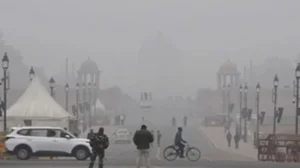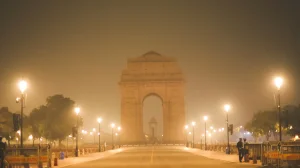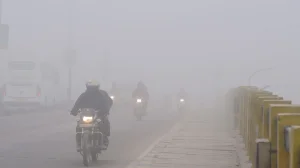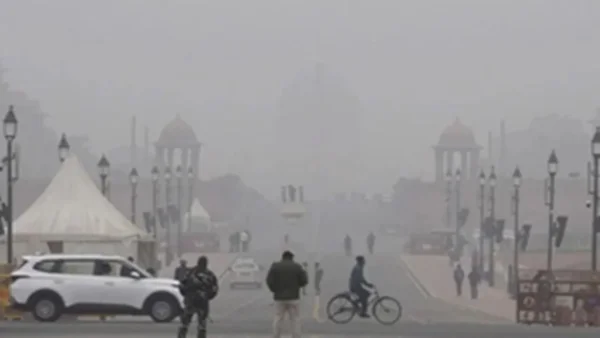
Delhi’s air quality has severely deteriorated to a ‘hazardous’ level with the city getting an overall Air Quality Index (AQI) of 727, marking a steep fall in environmental conditions. An increase in pollution levels has occurred due to post-Diwali pollution, stubble burning in neighboring states, and very low wind activity.
Deteriorating Air Quality: A Major Concern
That very same day, Thursday, began witnessing an air quality labeled ‘very poor’ in the capital with an overall AQI going as high as 311, and thereby marking the red zone for the city. On such a high note, the period positioned Delhi to be the fourth most polluted city in India, showing how gravely the pollution crisis is gripping the region. PM 2.5 is still the chief pollutant, with many stations recording air in the ‘very poor’ bracket.
Effects of Stubble Burning
Stubble burning has emerged as a major contributor to the worsening air quality situation in Delhi as forecasts indicate it will shoot PM2.5 levels up. The Air Quality Early Warning System has predicted an increase in the stubble burning contribution to the PM2.5 load over Delhi, thereby aggravating the pollution problem in the city. Satellite data has recorded several instances of stubble burning in Punjab, Haryana, and Uttar Pradesh, underlining the need for urgent action against this major source of pollution.
Protests Against Poor Air Quality
Since the air quality worsened and since the government was seen as inactive, student and activist groups staged protests at Jantar Mantar to draw the attention of the world toward the climate crisis and air pollution in Delhi. The demonstration brought scant credence to growing concerns among citizens regarding the authorities’ failure to tackle the environmental challenges facing the city. Hence, more ground is needed on which to cooperate in fighting pollution and safeguarding health.
Regional Impact
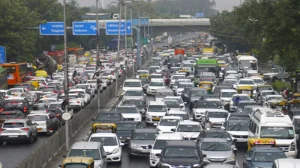
Air quality discouragement is a problem that goes beyond Delhi and into neighboring areas like Gurugram and Noida. AQI readings have skyrocketed over there to reach ‘hazardous’ levels, prompting near-adulteration suggestions against postponement to shield the health thereof in severe pollution. Satellite data, along with local monitoring stations, have identified vehicle emissions, among other sources, to be largely responsible for the decreased levels of air and owing to which strategic intervention is needed to reduce pollution levels.
Outlook for Air Quality
From skyward viewpoints, the air was expected to remain in the ‘very poor’ category for the next few days, emphasizing the urgent need to look for sustainable solutions against pollution sources, given the elimination of environmental concerns. The engagement of the prosecution agencies, nongovernmental organizations, and even concerned citizens becomes imperative if pollution is ever to be addressed from its roots and its impact on public health guarded.
To conclude, the air quality crisis in Delhi has to be dealt with by all sectors together for the implementation of mechanism measures for families to coexist with the alleviation in pollution level and general maintenance of environment. Awareness building, dialogue promotion, and proactive introduction of workable sustainable avenues are essential pathways to an improved life of clean air for all residents.