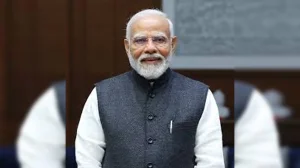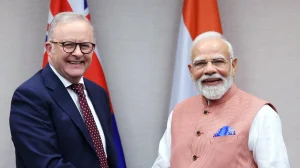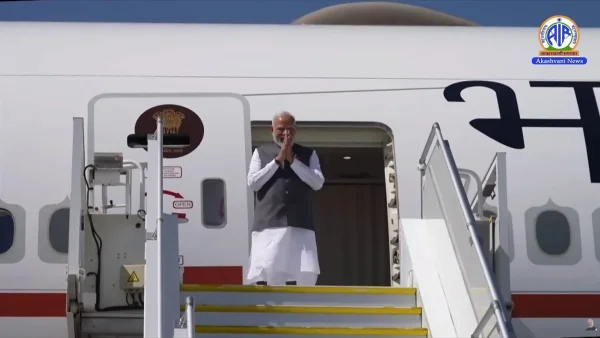
You could say he was making the case for a new kind of outreach in France. By positioning India as that bridge, Prime Minister Narendra Modi put forth a fresh approach to the Global South. He made it clear we need to be less fixated on the numbers and more on what’s inclusive, and put forward two ways to make some of this talk into actual jobs and projects.
Then there is the International Mobilisation Partnership for Accelerating Connectivity and Trade, or IMPACT. It’s the crux of what he was selling: a means to put G7 money, Indian know-how and the stake of Global South countries together to put in place the kind of infrastructure and trade ties that have local support behind them.
Why IMPACT now
Modi’s point is that you can’t have inclusive growth on statements alone; you need something to put it in motion. There is already some headway with the corridor concepts, so why not take what has been done and make it work in other parts of the world? That way, developing economies get to the table on their own terms.
He was in Evian-les-Bains for an outreach session and made a case for looking at projects in Africa, Latin America or the Pacific. Put it in a post online and he was at it again, musing on whether the thinking that has gone into these corridors could be put to use in those regions as well.
A template from IMEC
For a case in point, you have the India-Middle East-Europe Economic Corridor. It was put on the map at the 2023 G20 in New Delhi as a way to tie Asia, the Middle East and Europe together with transport that works as one.
Things have been a bit of a standstill with the way of things in the Middle East, but in Modi’s view, the overall idea of IMEC is still worth following for any partnership that wants to see a project through from the drawing board to the ground.
Skills for an ageing world
His second proposal is about a different kind of roadblock: the people. The numbers don’t lie. You have a lot of developed nations with an older demographic and then you have India and the rest of the Global South with a young, can-do workforce.
So he is calling for a Global Skills Partnership to put the right people in the right places. It’s about being able to move skilled workers with some trust. In his telling, it is a win for both sides: it fills a void in the West and gives professionals in the developing world a leg up.
From GDP to shared gains
All of this was part of a session on ‘Reviving a Balanced, Shared and Sustainable Economic Growth for All’. Modi had a word of warning about using GDP or the size of your trade as the only measure of success. “Growth for whom, with whom and in what direction?” is the question he put to the room.
The message to the G7 was to put in the work with the Global South on everything from building out to integrating economies. An initiative is only as good as its benefit to all, not just what shows up in the headlines.
What G7 and Global South stand to gain
In a way, you can think of these as two sides of the same coin. One is for the efficient movement of goods and capital, the other for the fairer movement of skill and opportunity. They are meant to go hand in hand:
– IMPACT is to put G7 funding to work on projects the Global South has a hand in.
– We want to see the delivery of that infrastructure and connectivity happen without delay.
– On the skills side, we’re talking about mobility you can put your faith in, with some hard data to back it up.
– For the older economies, it is a way to plug some labour holes without having to offsource it all.
– And for the emerging ones, it is a shot at some top-tier employment.
Don’t expect a full set of blueprints from him. What you get is a sense of where to head and an open door for partners to put their mark on it. If there is to be outside financing and know-how, the project should still be driven by what is important on the ground.
It comes down to working together. Get the G7 and the Global South on the same page with IMPACT and the skills plan and you might see us move past a few isolated corridors to something with more staying power and room for everyone.