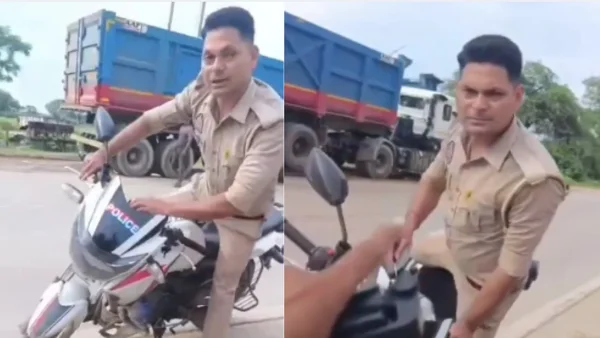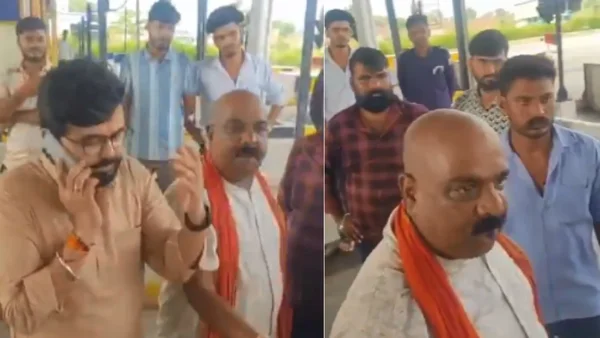
A viral political exchange has triggered widespread discussion on social media after a man identifying himself as a BJP worker questioned why he should be “trolled” for supporting the party, leading to a broader debate about political criticism, online discourse, and freedom of expression.
In the viral clip, the man is heard saying:
“I’m a BJP worker. What troll are you asking for? The government should make a new law so BJP supporters don’t get trolled.”
The remark, delivered during a heated discussion, quickly spread across social media platforms, where users debated whether political affiliation should offer any protection from criticism or satire.
The full context of the viral clip has not been independently verified.
Can Supporting a Political Party Shield Someone From Criticism?
The viral statement has reignited a familiar question in democratic politics:
Should political workers or supporters be treated differently from ordinary citizens when it comes to criticism, satire, or online commentary?
Political parties rely on workers to campaign, defend policies, and engage with the public. At the same time, public debate—including criticism of political ideas and supporters—is a common feature of democratic societies.
The incident has therefore expanded beyond one individual’s remark into a larger discussion about the nature of political engagement in the digital age.
Where Every Political Opinion Meets Instant Reaction
Unlike traditional political meetings, social media allows millions of people to respond instantly to political statements.
Supporters, critics, comedians, influencers, and ordinary users all participate in the same conversation, often using humour, memes, and satire.
As a result, political workers from across the ideological spectrum frequently become subjects of online criticism, praise, or ridicule.
Social Media Responds With Humour and Questions
The viral clip generated a wave of reactions online.
Among the comments:
“If trolling becomes illegal for one party’s supporters, every party will want the same protection.”
“Politics comes with public scrutiny—supporters and opponents alike face criticism.”
“There’s a difference between political satire and abusive harassment.”
“Democracy allows citizens to question governments, parties, and political narratives.”
“The internet doesn’t issue immunity cards based on political affiliation.”
These comments reflect opinions circulating online and should not be interpreted as factual conclusions.
Where Is the Line Between Criticism and Harassment?
The controversy also highlights an important distinction.
Political criticism, satire, and disagreement are generally recognized as part of democratic discourse. However, targeted harassment, threats, and unlawful abuse fall into a different category and may be addressed under existing laws.
The challenge for online platforms, political parties, and users is balancing robust public debate with respectful engagement.
In a Democracy, No Political Colour Is Above Public Opinion
Whether one supports the BJP, the Congress, another political party, or none at all, participation in public life often invites both appreciation and criticism.
Political workers play an important role in democratic campaigns, but public support for a party does not place political ideas beyond debate or satire.