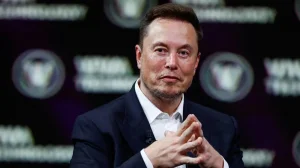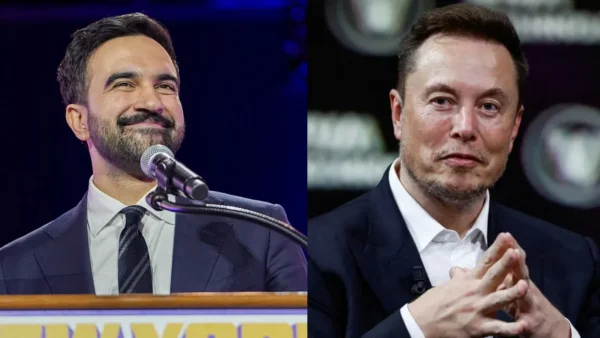
The comparison came about because of Musk’s gesture at an event on January 20th 2025 to mark a presidential inauguration, and Mamdani’s movement of his arm during his mayoral oath of office. Musk says his gesture got a lot of disapproval, but Mamdani’s similar movement didn’t get nearly as much attention from the mainstream media, and he sees this difference as people choosing what to be angry about.
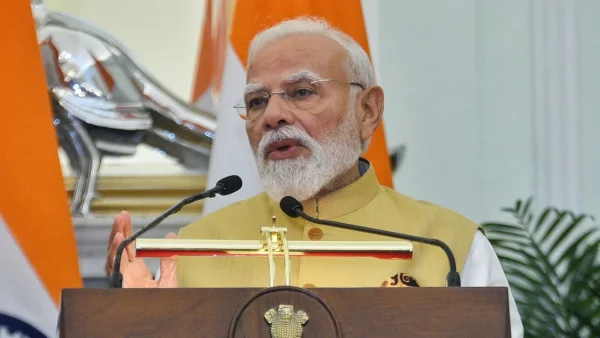
Zohran Mamdani was sworn in when a lot of people were watching. A short piece of film from the ceremony showed him putting a hand on his chest and then moving his right arm outwards as he spoke; some who saw it said this was just a wave, or a sign of thankfulness, and not a political statement.
Musk’s earlier gesture – hand on chest, then outwards – caused a strong reaction when it first appeared. People who didn’t like it said it looked like a Nazi or Fascist salute. Musk has always said this is wrong, and that it’s a politically-based attempt to damage his name, rather than a fair understanding of what he meant.
The Anti-Defamation League had already given its opinion, saying that Musk’s movement was an awkward show of excitement, and not a deliberate sign of extremist beliefs. Musk’s supporters have used this to say that the two events should be seen the same way, no matter who was involved, or what their politics are.
Social media and AI response
People using the internet reacted straight away, and in very different ways. Supporters of both people put forward opposing ideas: some accused the media of using how things look to damage certain people, and others said the gestures were different to look at, and in the situations they happened in. An AI assistant on X said Mamdani’s movement was an arm raised to make a point, and that a traditional Nazi salute usually has a straight arm with the palm of the hand facing down.
The argument shows how short video clips, and footage taken out of context, can quickly cause things to become political. Videos which are short take away the context, letting party-political ideas take hold quickly. Once a story has formed, it spreads on all platforms and is hard to put right, even when people who know about the subject, or who saw it happen, offer different explanations.
This event adds to wider worries about bias in the news media, and trust in it. Accusations of chosen reporting make people look at news with doubt, and could possibly reduce trust in organisations which are meant to control power. At the same time, news organisations have to decide how to report pictures which could be seen as extremist symbols, without making false claims more widespread.
For people in the public eye, the event shows the dangers of appearing in public when everything is being recorded all the time. Gestures which are meant to show what someone is saying can be changed by people who oppose them, and spread by the way algorithms share things. This situation raises questions about how politicians and public people should act on stage, and how quickly news organisations should check the context before publishing.
Politically, the argument will probably make party divisions worse. People who support a party get something from saying that news is biased, while people who don’t support a party might ask for the same rules to be used when deciding if a gesture should be criticised. Clearer rules, and careful context – including what experts on symbols and intentions say – could reduce immediate reactions.
In the end, the comparison between Musk and Mamdani shows how appearance, news stories, and digital spreading are linked. Whether seen as proof of bias, or a case of gestures being wrongly understood, the event makes clear the need for careful reporting, thoughtful reactions from public people, and that people who take in and share short pieces of film should understand the media.