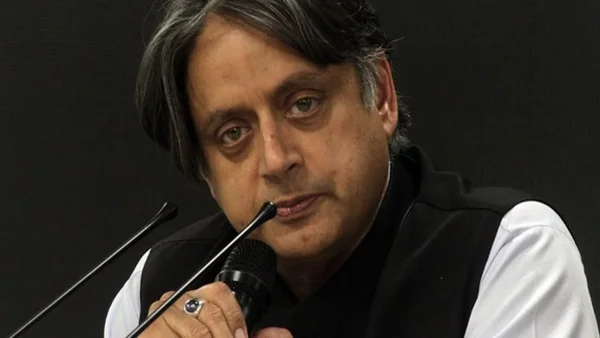
Counting starts at 8:00 am and the exit polls lean toward a UDF victory, which has put the question of leadership at the center of political discussion in Kerala. Congress MP Shashi Tharoor avoided saying who the Chief Minister would be, and focused instead on the party’s way of picking someone, even though the results are due May 4th.
Leadership question intensifies as counting nears
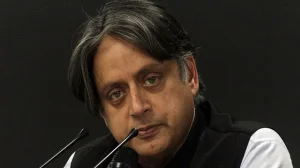
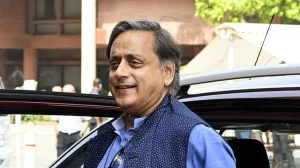
There’s a lot of guessing about who might lead a Congress government, but Tharoor won’t say. When asked if a Member of Parliament (MP) could be Kerala’s Chief Minister, he said, “I know exactly what you’re trying to get me to say. I’m not saying any of that. The answer is very clear.”
KC Venugopal is another important person being considered. Congress leader Tariq Anwar said that Venugopal could be the next Chief Minister if he wants the job, but added that the decision will be based on the outcome of the election and is up to the highest levels of the party.
Anwar, as reported by a news organization, said there’s no doubt about this and that the leadership will choose “the right person to be in charge” if the UDF wins a majority.
Tharoor steers attention to Congress process
Tharoor says the discussion should be about the proper process, not about specific people. He explained that after the results, the party has a standard method: the newly elected Members of the Legislative Assembly (MLAs) give their opinions, and then the central leadership makes the final choice.
He described the sequence as follows:
– An envoy meets the victorious MLAs.
– Feedback is conveyed to Delhi leadership.
– The high command takes the final call.
Tharoor says the central leadership doesn’t have to stick to any particular rules and can pick anyone after hearing from people. He indicated that it’s important for the legislative party to come to an agreement and get instructions from Delhi.
Exit polls raise stakes for UDF and LDF
Kerala had one day of voting on April 9th for all 140 seats (you need 71 to have control). Most exit polls show the UDF doing better, which could mean a big change after ten years.
Axis My India predicted the UDF will win between 78 and 90 seats, and the LDF between 49 and 62. Manorama C-Voter thought the UDF could get as many as 94 seats, with the LDF getting between 44 and 56. Most polls indicate the National Democratic Alliance (NDA) will not win many seats, though they might win at least one.
Broader implications and caution
Tharoor believes a loss for the Left Democratic Front (LDF) in Kerala would be significant for the whole country. He said, “When we won in log, the LDF lost both Kerala and West Bengal, but they were still in power in Tripura. This time, however, they won’t be in power anywhere in India, and that would be a really important event for our country.”
However, he says we should be careful with the numbers from the polls. He points out exit polls often don’t get things right regarding gender, caste, what social class people are in, and differences between regions. He mentioned a report from West Bengal where “60 percent of people wouldn’t answer the pollsters,” and asked how much importance we should give to data like that.
What to watch on counting day
Counting in Kerala starts at 8:00 am, and the final results are expected on May 4th along with the results from other important states and one union territory. The first thing people are watching for is whether the UDF gets more than 71 seats, and how that will change the discussion inside the Congress about who should be the leader.
Tharoor is optimistic about the UDF’s chances. “I’m very sure we’re going to win and win easily with over 75 seats,” he said, repeating that the decision about the Chief Minister will come from the party’s own process.
If the exit polls are correct, people will quickly move from talking about the numbers to thinking about how the government will function, how the coalition will work together, and who will be in the cabinet. But if the polls are wrong, the situation could change completely, and both groups of parties and their claims about leadership will be tested. In any case, the results from Kerala will have an effect beyond just the state itself.