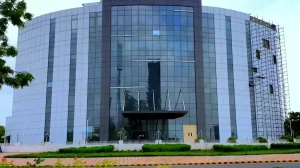
The rapid growth of AI and cloud in India is running into a difficult fact: water is becoming a major point of contention. As temperatures go up and put a strain on how much water there is, the central government says data centers are changing to more advanced cooling to use less water. They are doing this because they have been told that if this growth isn’t checked, India’s ability to have enough water could be damaged.
Why the alarm now
B N Kumar, who leads NatConnect, wrote a letter to the Prime Minister’s Office, warning that the quickly expanding AI and cloud structure could use almost 37.5 billion litres of water each year. NatConnect says that’s as much as 700,000 to 800,000 people use in a year, or about a week’s worth for a city the size of Mumbai.
The group pointed out that hotter weather and a huge increase in activity on the internet are likely to make water shortages even worse. This warning says that water will be a key limitation as India works to increase its digital abilities.
Government’s position and immediate actions
The central government has said that the companies operating these facilities are using systems designed to use much less water. Shambhu Nath Gupta, an Under Secretary at the Ministry of Jal Shakti (Water Power) explained that data centers are now using advanced cooling such as cooling liquid directly onto the computer chip, adiabatic cooling, and immersion systems to use as little water and energy as possible.
Officials have also mentioned that other ways of managing resources are already being put into practice. Rainwater collection, using treated wastewater again, and using digital monitoring of underground water, are all part of changing how these facilities get and recycle water on their property.
Here is how the official stance translates into near-term moves:
– Deploy water-efficient cooling at scale
– Expand rainwater harvesting and reuse systems
– Track groundwater with digital monitoring
Scale of the data centre surge
The speed at which the industry is growing is why there is a sense of urgency. India’s data center ability has gone from 375 MW in 2020 to over 1,500 MW in 2025. This huge increase shows how much more demand there is for internet services, AI, and cloud computing, and is resulting in new facilities opening in important areas.
Each new megawatt requires more cooling. If we don’t improve efficiency, the demands on water and energy will get bigger. That is why cooling technologies and managing water on the location of the facility are now extremely important to expansion plans.
What it means for cities and planners
The potentially huge amount of water use that NatConnect has highlighted shows how much is at risk for city water supplies. If it isn’t managed, the amount of water the industry uses could be competing with water needed by people at the times of year when water is most scarce. This makes collecting rainwater and using wastewater again not just good ideas, but ways to control the risk.
Also, using digital monitoring of underground water shows a move to looking after things using information. Being able to see what is going on clearly can help industrial growth and the health of local underground water supplies match each other, which is an important step as more facilities are built near cities and industrial areas.
What comes next
Officials say that the current upgrades to technology and efforts to be sustainable are designed to allow growth and reduce environmental damage to happen at the same time. The next thing to see is how well this works: how quickly the new cooling systems are used, how reliably systems for reusing water perform, and how openly water information influences choices.
At the moment, the message is clear. AI and cloud will continue to expand, but so must the systems that reduce the industry’s impact on water.