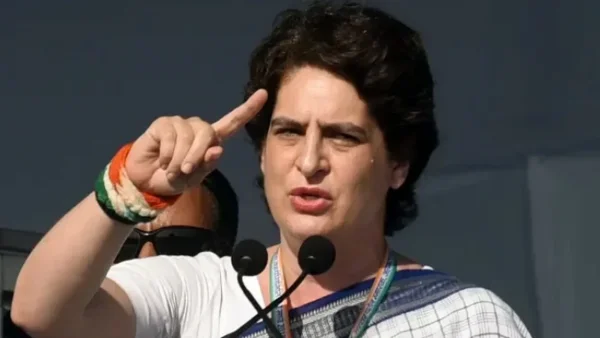
The campaigning for the Kerala Assembly Elections in 2026 is really getting going, and a significant moment happened when Priyanka Gandhi Vadra, who is in Congress, accused the CPI(M) led LDF of making a ‘deal’ with the BJP. Her statements at a small gathering in Peravoor on April 9th have made an already competitive election even more heated.
Overview of the Allegations
Priyanka Gandhi says the LDF has given up both sticking to its values and being open to criticism in order to stay in charge. She says this supposed arrangement with the BJP isn’t about agreeing on policies, but is a deliberate strategy. She believes this ‘deal’ is harmful to people’s ability to make a real choice in a democracy and to politicians being responsible to the public as the Kerala Assembly Elections of 2026 draw near.
The MP for Wayanad emphasized that the LDF has been in power for ten years and argues that staying in office seems more important to them than actually running the state. She believes state leaders aren’t being held to account as much as they should be, and that they’ve moved away from the central principles that used to define left-wing politics.
Sabarimala, Central Agencies, and Selective Enforcement
Vadra used the situation at Sabarimala as a specific example of this implied agreement. She said the national leaders of the LDF stayed quiet when problems at the temple got worse. She suggests that their quiet reaction to important, public events shows they are willing to ignore things if it helps them politically.
She also criticized the central government’s investigative organizations for only pursuing certain people. She said politicians from opposing parties who criticize the central government are investigated by the CBI, ED, or the tax authorities. However, she pointed out that Kerala Chief Minister Pinarayi Vijayan has not had similar investigations against him, and she says this difference is politically important.
Local Governance and Public Grievances Raised by Congress
But it’s not just national politics she’s talking about. Vadra also mentioned issues people face every day, like not having enough drinking water, roads and other services falling apart, and the public not getting what they’t been promised. She says these everyday troubles show that the LDF has become distant and less attentive to the needs of local people during their long time in power.
Unemployment and people leaving Kerala to find work were also central to what she said. Vadra told a story about meeting a Keralite who is working in another country, to show that even skilled young people are still going abroad to find opportunities. She said Kerala needs to turn its people into local jobs, instead of sending its skilled workers to other places.
Campaign Context and Strategic Messaging
Saying the LDF have a 'deal' with the BJP is changing the focus of the campaign from normal criticism of how the government is doing to a larger question of whether politicians can be trusted. The United Democratic Front hopes this message will get voters who are worried about alliances and sticking to beliefs to vote for them before the April and 9th elections.
For the LDF, this claim is both a problem for their reputation and a tricky political issue. They will need to show they have done good things for the area and at the same time, deny that they have put political goals before properly governing, especially because other parties are now looking at them closely.
Implications for the Kerala Assembly Elections 2026 and Voter Choices
These arguments could affect voters who haven’t decided yet and who think accountability and people of different religions living peacefully together are important. The accusations about deals and only applying the law to some people might get more support for the opposition, and might make voters in the middle think again about which group will do the best job of protecting what is right and the rule of law.
As the April 9th election gets closer, the election will probably be decided by which side can convince people they can create jobs, be honest in government, and have fair organizations. People will be watching how many people vote, which areas might change their votes, and whether things like Sabarimala and how services are provided will be enough to make one side win in what is expected to be a very close election.