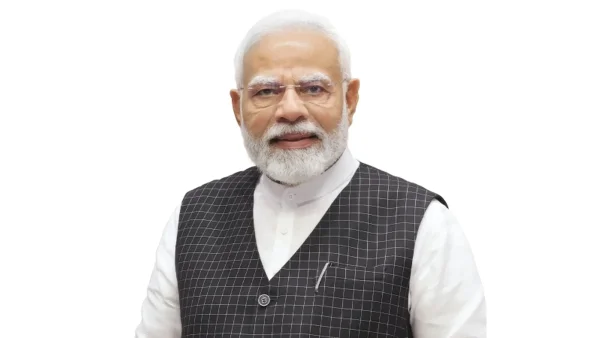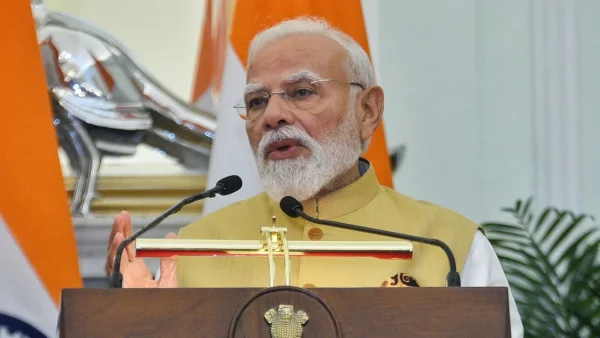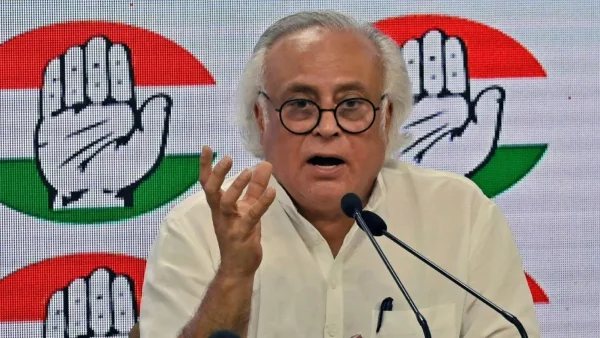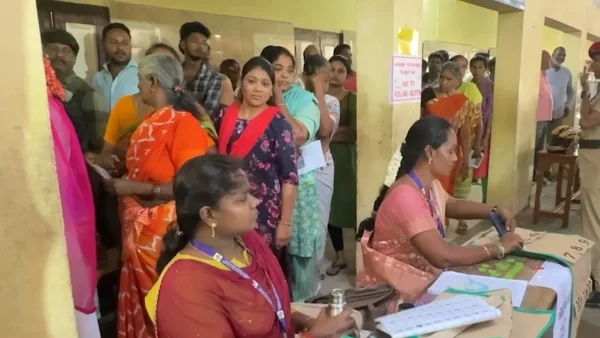
On Thursday, all of Kerala voted in one go for the 140 seats in the Assembly, creating a very closely watched three-way race. In Thiruvananthapuram, Anil Antony of the BJP voted and said this election is “one of the most important in Kerala’s history”, which shows the BJP is really trying to get a bigger hold on the state.
Anil Antony casts vote in Thiruvananthapuram
Antony said the outcome could completely change the balance of power in Kerala, and the BJP thinks it will become a “main player” in the state. He emphasized that the party is gaining momentum, has strong organization at the local level, and needs to give voters a different choice than the usual two groups that have been in control.
Because the BJP doing well nationally could change how groups work together and what issues are most important in the next Assembly, the 2026 Kerala election is getting attention from all over the country. Antony’s statements show the party’s efforts to do well in cities, and to gain support in coastal and inland areas.
A three-front contest shapes Kerala’s 2026 assembly race
The Left Democratic Front (LDF), led by the CPI(M), is trying to win for the third time in a row. They are focusing on continuing to do things as they are, being steady and being seen as a good government. Pinarayi Vijayan, the Chief Minister, was confident after voting in Kannur, saying that “false and using religious differences to get votes” won’t defeat the LDF and that people trust the current government.
The United Democratic Front (UDF), led by the Congress, wants to remove the LDF from power. They are talking about how accountable the government is, finding jobs for people, and the pressure from the increasing cost of living. The UDF hopes to win in places where the difference in votes is small, and to get the support of independent candidates and people voting for the first time by focusing on problems specific to each area.
The BJP's aim is to turn the small increases in votes they’ve been getting into actual seats. They are running candidates everywhere, hoping that specifically contacting voters, having leaders who are visible, and their organization which they have built up over many elections, will work.
Voter numbers and polling logistics
There are over 26.9 million people registered to vote in Kerala’s 140 areas, and they will decide the fate of 883 candidates. Of those voters, 13,827,319 are women, 13,126,048 are men, and 277 identify as being in the third gender category.
Young voters are very important. Approximately 424,518 voters are between 18 and 19 years old, and 204,608 are 85 or older. These younger and older groups are typically most concerned with getting jobs, receiving services and how easy it is to get to the polling station.
Polling setup and timeline
There are 30,471 places for people to vote to handle all the voting in one day. 119 logistics centers will help get the voting machines to the places they need to be and support workers in the field, and there are 41 places across the state where the votes will be counted.
The votes will be counted on May 4th. With 140 seats in the Legislative Assembly up for grabs, the results will show if the LDF can keep winning, if the UDF can take control again, or if the BJP can turn its growing popularity into seats in the Assembly.
What leaders are emphasizing on the trail
Vijayan says this election is about whether to continue as things are, and he argues the LDF has made improvements that can be measured and is known for being a government that doesn’t take bribes. He believes people “want that improvement to continue without any interruption” and thinks that trying to divide people won’t work on Kerala’s voters, who are very politically informed.
Leaders of the UDF are calling for a change in direction, saying the economy needs to improve, private companies need to invest, and the government needs to respond to people’s needs more quickly. Their campaign is focused on issues affecting each local area, getting things done at the level of each constituency, and the different groups within the UDF working together.
BJP people, including Antony, have been discussing improvement and growth, building things, making sure welfare programs work efficiently, and promising to be a stronger voice opposing the current government or to be the government. They are also mentioning national programs and how they might fit with what Kerala needs.
Key signals to watch before May 4 counting
How people vote in cities, along the coast, and in the hills will be carefully watched. If more people voting for the first time actually vote, it could change the outcome of very close races, and even small changes in votes in areas that often switch between parties could be the deciding factor.
How popular the individual candidates are, small groups joining together, and contacting people in the community could affect the final vote count. We should see if the LDF’s regular supporters stick with them, if the UDF can get the votes of people who are unhappy with the current government, and if the BJP can turn the increase in their votes into actual seats.
The 2026 Kerala Legislative Assembly election is important for the whole country. Anil Antony’s point that the election is “crucial” sums up what’s at stake: the result could change the way political groups work together, what the government focuses on, and what direction Kerala’s economy and society will take in the next five years.