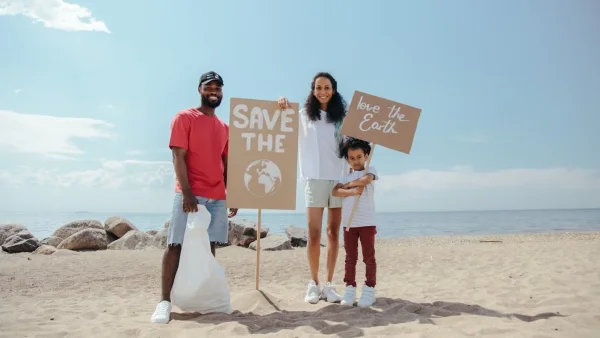
As the sundry weather phenomena become ever clearer, the pressing matter comes forth-focusing the attention on how to protect our environment. And so this global concern does not rest in the hands of governments or large corporations. Individuals too can make the environment healthier by taking simple yet effective measures. Practically, the ways in which a person can help minimisation of environmental impacts and actively contribute towards the sustenance of the Earth are:
Rethink your transportation habits
Transportation and energy represent direct environmental concerns: their conservation would have enabled the listing of innumerable points. Basically, the carbon features of personal automobiles serving in the other emission of forcing air pollution into the atmosphere are enormous. Hence, choosing to commute by public transport, walking, or bieng will help in lessening such footprint also granting physical fitness benefits to themselves. Think of how good you would feel when you find yourself being an active contributor to your own health and that of the environment. If even these options don’t work out, then they can always consider carpooling with their friends or coworkers to reduce the emissions per person.
Trees are a fundamental part of our ecosystem, absorbing carbon dioxide and providing us with oxygen. Planting a tree is a small act that helps in war against greenhouse gases. Besides their environmental values, trees do things like casting shade that can help conserve energy in homes during hot weather. Remember, planting is half the battle; you should also take care of your tree and do this by ensuring that it gets ample water and sunlight according to its need.
Start Using Natural Products in Everyday Life
Going natural helps further eliminate the dangerous chemicals entering our ecosystem. Going organic might be a bit expensive, but switching to even one natural product is a start. This would not just benefit the environment; it would also mean fewer potential toxins around you, so you can rest assured about your family’s safety.
Use less energy if you manage to
Decreasing electricity usage can serve as a cure for saving the environment. The very minute acts of shutting the lights off when abstraction is made of them, especially if no eyes are around to witness it, or unplugging any electronic gadget from its port when the gadget itself is not under any kind of usage, go a long way toward helping. Energy reductions may be further accomplished by using any energy-efficient means of lighting-lit with LED bulbs, which last much longer than the traditional ones.
Consider Plant-Based Food
Second only to the food industry in creating greenhouse gas emissions is the industry of meat production. One might lighten his or her carbon load to a large extent by mere reduction in the consumption of meat without really having to bear any other kind of inconvenience. It is more of making conscious choices that favor the Earth over time than being made to rush into a complete bucket fled change.
Say No to Single-use Plastics
Making single-use plastics pollution into the ocean and landfill bodies. By resealing matched items like shopping bags, water bottles, and utensils, they really lessen the environmental impact of plastic litter. Isn’t it so satisfying to know that you are at least partly responsible for bringing down plastic pollution?
Water Conservation Comes First
Water being a great resource should be conserved at any moment. Fixing leaks, taking shorter showers, and installing water-efficient appliances are some ways to conserve water at home. Collect rainwater whenever possible for outside use and choose native plants that need less watering.
Educate the Next Generation
Education, in effect, is able to protect the environment for the future generations. Children are taught environmental issues; in return, they respect nature so that they can make informed choices that positively affect the earth. Engaging children in environment programs will make learning fun and proves to be gracing for their young minds.
Practice Mindful Consumption
Reduce, reuse, recycle-this famous three Rs concept is left out from everyday practice, with the key point being refusal; refuse things that are unnecessary to you. Think before buying or receiving anything, as it reduces clutter at home and possibly opens the opportunity for you to save money. When next tempted, think about whether you really need it.
Go Composting
Organic composting absorbs food scraps and yard debris and serves to keep this gigantic volume of waste away from landfills; it can also produce nutrient-rich soil for gardening. Where there are no community composting programs, one simple way of composting might be in a compost pile at home.
Choose Reusables Rather Than Wastables
In that respect, depending upon how much one uses disposable items, switching to reusables can almost become a huge waste. From beverage containers to grocery bags, every little bit counts and benefits the larger community by reducing demand for single-use products.
Get Creative with Upcycling
Upcycling turns unwanted items into new creations such as art or toys. This keeps them out of landfills, cutting down on the number of unwanted things around, and also we keep away from buying things that cost fresh resources to be produced.
Recycle Responsibly
When all else fails-reduce, reuse, rot-recycling is important to responsible waste management. When recyclables are improperly sorted, contamination can easily send the material back to the landfill.
Promote Second-Hand Shopping
Secondhand clothes and goods sustain the green movement that puts out demand for new products that require vast resources for manufacture. From clothes to household items, second-hand shopping conserves resources and spots quite unique finds.
Support Local Purchases
Local purchases are minimal since goods travel long distances and have transportation emissions. Supporting local farmers markets or local artisans is a huge plus for the local economy, but also for cutting packaging waste.
Keep Chemicals out
Minimizing the use of chemicals in everyday life can ultimately protect human health and the ecosystems from being damaged by them. Whenever possible, switch to natural options for cleaning and beauty products.
Blow Your Wallet
As consumers collectively demand sustainable conduct through their purchase-from renewable energy companies or eco-conscious brands-the market, overtime, tends to respond with greater environmentally responsible options scattered across all industries globally.
In taking these steps toward protecting our planet today, we ensure healthier environments for tomorrow-for ourselves as well as the generations yet to come-that these legacies are ones worth cherishing forever!