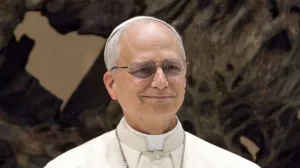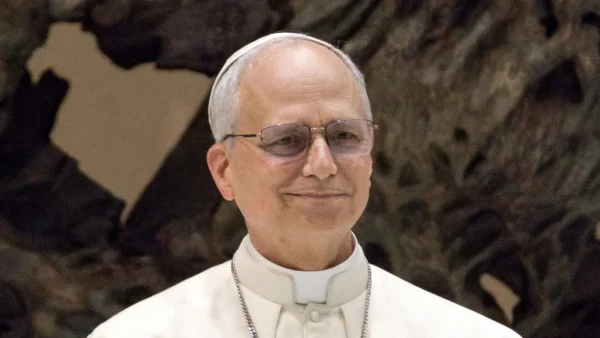
This was the Pope’s most forceful disapproval of the war so far; he urged leaders to stop fighting and return to negotiations. During an evening prayer at St. Peter’s Basilica, the first American-born Pope warned about the “foolish belief that you can do anything” and the resulting inability to tell right from wrong that is fueling the conflict.
A forceful moral appeal from the first US-born pope
Leo called the obsession with your own interests, money, and simple force “false worship”. He said, calmly but firmly, “We’ve had enough of caring only about ourselves and money! Enough of showing off our power! Enough of war! Real strength comes from helping people live.”
He told leaders to stop creating more weapons and to meet to find a solution. “Stop! It’s time for peace! Meet to talk and find common ground, not to plan for more weapons.” He believes acting aggressively is dangerous to world peace and clouds our ability to be moral.
The prayer service included reading from the Bible and saying the Rosary, and similar services were held in the US and other places. Leo said prayer is a way to “end the evil, devilish cycle” and a defense against the “foolish belief that you can do anything” that he thinks is spreading across countries.
The 70-year-old Pope didn’t mention any particular leaders by name, but his words were directed at those who are claiming violence is acceptable because they want to dominate, or because of their religion. He cautioned that “relationships between people have become seriously unstable” and even God’s name is being used to explain “death”.
Condemning the misuse of faith and power politics
Leo was critical of the increasing habit of using religious terms to describe war. He said again that this goes against the basic principles of faith and risks making religion a weapon. Before this, he said God won’t listen to the prayers of those who are at war and whose “hands are covered in blood.”
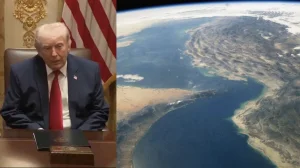
This Pope, who was born in Chicago, initially only generally asked for peace. However, his tone changed on Palm Sunday, and this week he was even more direct. He called former President Trump’s threat to “completely destroy Iranian civilization” “completely unacceptable” and encouraged talking instead of making things worse.
He also tied this situation to the Vatican’s history of being against starting wars first. Leo pointed to the Church’s opposition to the invasion of Iraq in 2003, and recalled letters from children in war zones describing “terrible and inhuman” events, as a reason to act now.
For Leo, this isn’t just a theoretical goal. He described the Kingdom of God as a place with "no swords, no drones, no revenge, no downplaying of evil, no unfair profit, but only respect, understanding, and forgiveness.” He said imagining this is a way to fight against hopelessness and giving up.
Diplomacy under strain as Islamabad talks continue
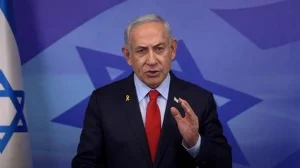
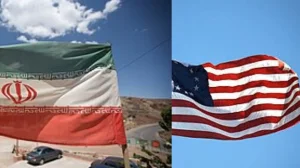
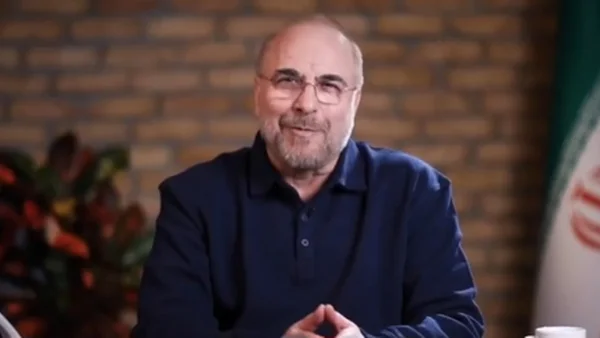
His comments came as delicate negotiations were happening in Islamabad. Officials from the US and Iran (both governments have confirmed this) are having direct talks in an attempt to make a shaky truce more stable. Vice President JD Vance of the US and Mohammad Bagher Qalibaf, Speaker of the Iranian Parliament, are leading their groups.
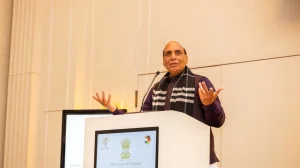
Pakistani Prime Minister Shehbaz Sharif has been actively involved in trying to mediate, holding several meetings with technical experts. Officials say there’s a chance of progress, but they don’t agree on everything. The ongoing Israeli military actions in Lebanon, and the actions of groups supported by Iran, are the main points of disagreement.
The war has been going on for seven weeks now, and has caused thousands of deaths and has worried financial markets around the world. The Strait of Hormuz and other sensitive areas have increased worries about oil and shipping safety. Iranian officials say the talks only began after Israel lowered the amount of attacks, as a condition.
Both sides want to build on the current pause in fighting, but there is still a lot of tension. Whether the truce will last depends on reducing conflict on multiple fronts. This difficult situation makes Leo’s message urgent: don’t build up armies and choose conversation before the current prevention of war fails.
Implications for global politics and the Catholic Church
Leo’s strong statement is important for both people in government and for regular people of faith. He doesn’t name countries or leaders, but he says that any attempt to say violence is morally necessary is wrong. He also rejects the idea that being strong means being in control, not helping people live.
He asked everyone to demand peace from their leaders and to create a “peaceful community” in our homes, schools, neighborhoods, and in religious and public groups. He wants a “culture of meeting each other” where arguments are replaced with friendship and giving up is replaced with working to solve problems.
Leo has been known as someone who brings people together since he was elected last May, but he has become more direct as more people are killed and negotiations are failing. His involvement is adding moral pressure to stop things from getting worse and could influence debates where religious language has been used to support military action.
What to watch next
Things to pay attention to are whether the Islamabad talks can survive the current arguments and whether the truce will last despite the chance of trouble in the region. We should also watch for more technical meetings, a clear plan to lessen conflict, and steps to build trust that deal with Lebanon and important shipping routes.
Pope Leo’s call is both about our spiritual lives and how we act as citizens of the world. He said to reject the idea that building up armies is now normal, and to find “good politics” that is reasonable and respects people. In a week where there is a little bit of hope, Leo’s criticism is meant to change the focus of power towards peace, not on showing off.