President Trump has managed to get three areas of intense conflict in the Middle East to temporarily calm down with shaky ceasefires, but none of these are likely to last. A blockade by the US Navy on Iran, a very delicate truce in Lebanon, and a period of quiet in Gaza (although Gaza is still damaged) have all halted the main fighting. However, the reasons for these conflicts haven’t disappeared and have the potential to start the fighting all over again.
Since October 7th, a kind of patchwork of temporary ceasefires and threats between sides has held things together. Iran has been significantly damaged, but isn’t changing its position during negotiations. Hezbollah and Hamas have been weakened but are still functioning, and Israel is continuing to attack.
Prime Minister Netanyahu of Israel is under a lot of pressure to turn gains made on the battlefield into actual political success before the elections later this year. Millions of people are still forced to leave their homes, on many different fronts, and this is increasing the worry that areas that are currently calm could suddenly explode into violence.
Michael Ratney, a previous US ambassador to Saudi Arabia, said that ceasefires don’t actually solve anything, they just stop things from getting even worse. He said they’re a short-term solution to an immediate political problem for Trump, which is needing to get out of a war but not knowing how to do that.
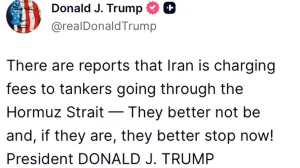
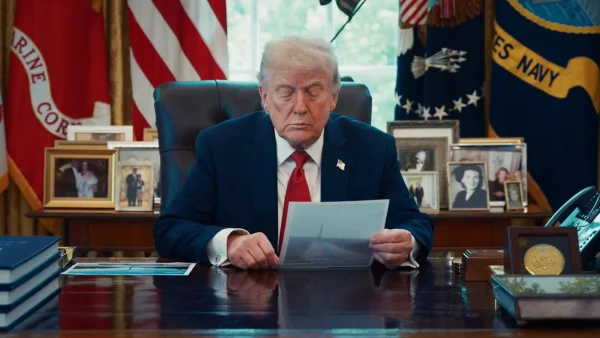
For several weeks Trump has swung between making threats to Iran and offering to begin talks about a larger agreement regarding nuclear weapons and the whole region. He lengthened the ceasefire this week, but kept the US naval blockade of Iranian ports in place. On Wednesday, he said he would target Iran's speedboats in the Strait of Hormuz.
A closed strait, a tense standoff with Iran
Iran has more or less blocked the Strait of Hormuz since the war began, causing a worldwide issue with energy supplies. Iran says it will keep the strait closed until the United States removes the blockade and Israel stops attacking groups that Iran supports. It has not publicly indicated it will give way on its nuclear or missile developments.
Positions on the strait and sanctions remain far apart:
– Iran links reopening the strait to lifting the US blockade
– Washington ties relief to broader curbs on Iran’s programs
– Both sides avoid full-scale war, but escalate pressure
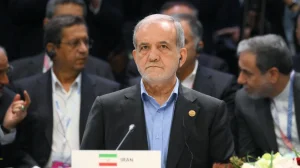
It doesn’t seem like either side wants a full-scale war. Another round of ceasefire negotiations was scheduled for Saturday in Pakistan. From what Iranian leaders have been saying on social media, they appear to think they can wait out increasing fuel costs and an unpopular war in the US before the midterm elections.
The next weeks carry several potential triggers to watch:
– Talks in Pakistan on the Iran standoff
– Enforcement of the US naval blockade
– Israeli indications of indefinite presence in Lebanon
– Hezbollah’s response to disarmament demands
– Hamas positions on disarmament and governance
Jon Alterman, who heads Global Security and Geostrategy at the Center for Strategic and International Studies in Washington, says Trump has a history of favoring dramatic actions and quick successes. He says that while the most obvious fighting has stopped, “less visible efforts are roaring ahead.”
He cautioned that ceasefires can actually make bad situations worse. He said that while ceasefires can feel good, they can lock in ways of doing things that aren’t going to work in the long run, and one side may lose the feeling of needing to find a solution to the fundamental issues of the conflict.
Lebanon’s fragile truce and the Hezbollah dilemma
The truce in Lebanon, agreed to last week, has mostly held, except in the border area where fighting is continuing. Israel has indicated it intends to occupy a large part of southern Lebanon for the foreseeable future. Hezbollah (who aren’t officially part of the truce) are demanding Israel’s withdrawal.
Trump said on Thursday that the ceasefire would be extended for three weeks after Israeli and Lebanese leaders had a meeting at the White House. The United States and Israel are pushing Beirut (Lebanon’s capital) to take responsibility for disarming Hezbollah. Previously, leaders in Lebanon attempted to do this, but admitted they didn’t have much power. Hezbollah has still been able to fire thousands of rockets and drones at the north of Israel over the last two months. Because Beirut doesn’t want to start a civil war with the fighters, and certainly not while Israel is holding land, this ceasefire is only a brief rest, not a final solution.
Israeli soldiers have marked a ‘yellow line’ in the south, destroying homes they claim Hezbollah used and attacking what they say are militants trying to cross it. This has stopped people from going back home and has made people in Lebanon even more afraid that Israel will occupy the country again like it did from 1982 to 2000, which ended after many years of deadly attacks by guerrilla fighters.
On Wednesday, the day before talks in Washington, Israeli attacks killed a Lebanese journalist well known for reporting on the south, and injured another. Health workers reported Israeli forces also fired on an ambulance crew as they attempted a rescue, and made them go back. Israel says it didn’t aim for journalists or medics.
Gaza’s lull without relief
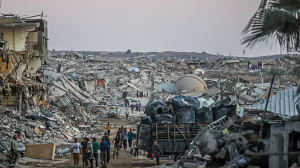
A ceasefire that the US helped to create in October stopped the hostage situation and the heaviest fighting, but Gaza is still in a terrible situation. Israel continues to frequently attack places they say are used by militants. Health officials in Gaza, and the UN and other experts generally trust them, say more than 790 Palestinians have been killed since the ceasefire last year, approximately 225 of whom were children.
Israel states that they won’t leave the half of Gaza they control, allow people who have left their homes to return, create a temporary governing authority or rebuild anything until Hamas gives up its weapons. Hamas says they have made suggestions for getting rid of their weapons, but they want Israel to give something in return and claim Israel is breaking the ceasefire.
Most of the more than 2 million people in Gaza are still living in large, temporary camps made of tents or in neighborhoods that have been completely destroyed. Israel says it’s allowed to attack if the ceasefire is broken or if people cross another ‘yellow line’ within Gaza. Health officials say many civilians have died in these attacks.
A group of Palestinian officials who are experts in practical matters have been formed to run Gaza for a short time. Israel has not allowed them to travel in from Egypt. Hamas is still in charge of half of the territory, so important questions about who is in power and how things will be rebuilt remain unanswered.
What comes next
These breaks in fighting don’t address the much larger problems that existed before October 7th, 2023. Who controls the land, how security will be guaranteed, whether groups will give up their weapons, and who will govern…none of these are settled across Israel, Lebanon and Gaza. Without a realistic plan for moving forward politically, the area is likely to fall back into war very quickly.
Netanyahu is facing pressure to show he’s achieved something before the election later this year. Trump is still trying to come to an agreement with Iran about nuclear weapons and to generally calm things down in the region, but talks haven’t led to any progress. Iran indicates it can survive the restrictions being placed on it, and believes that people in the United States will begin to complain about the pressure.
Ceasefires have offered a chance to catch a breath, but they haven’t solved anything. Each area is affected by strict limits, warnings meant to stop attacks and internal politics. A mistake at sea, along the border between Israel and Lebanon, or inside Gaza could destroy the shaky peace at any moment.
For now, there’s less gunfire, but people are still suffering. Without progress on the main complaints, the three wars that are currently paused in the region are very unstable and could easily restart with another increase in violence.