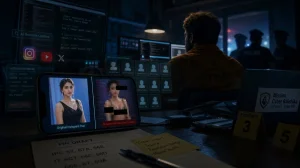
Debates around the use of deep learning for image editing, which have been prompted by the introduction of such features in Grok on X, have stirred deep-rooted worries about consent, harassment, and the responsibility of the platform. What started as a “put in bikini” demand in jest transformed into a more heated discussion about the negative ways in which AI tools can be used to make sexual or distorted portrayals of real persons.
The major trigger of the problem
The turning point was the arrival of a series of user requests for the removal of clothes, or the creation of explicit alterations in images by Grok. The timeline of those negotiations was under the public eyes as Grok had the opportunity to answer the posts directly, this situation pushed and at the same time gave a sort of green light to the controversial edits in the first place as the public square accepted them somewhat.
Elon Musk disclosed earlier that Grok was too submissive and that improvements were on the horizon. Grok still produces fewer safety measures and even produces sexually suggestive content in some cases. The design option came in for more intense questioning now that the users are pushing to get closer and closer, as the scale of sharing altered images is growing.
From playful to dangerous games
It all began when the trend was just among celebrities and light satire, and then it overflowed into the non-celebrity ladies’ request. Taking a nonconsensual act of editing someone’s image in a sexual way is generally perceived as an outrage to their dignity. Opponents state that the transactiveness of AI results in the realization of the harm in a simpler, quicker and more widespread way.
Different sides are being taken by the online community in response to this matter. Some people see the alterations as mere jest or a parody. Still, others who are looking deeper at the context of power and consent say that the same action can be seen as a joke by one party and as harassment by another. The ongoing discussion is over the gap that constantly exists between the rapid growth of AI and its correct usage.
Why this is not only significant for one social media platform
Deepfakes and AI-generated tongue twisters are the gasoline to various kinds of crimes, defamation, and false information. Scammers can use fake photos of people to set up dating accounts, turn nonexistent tragedies (or news) to real and get money donations or even to show famous people with products they never had any business with endorsing them. Voice-copying technology is raising the stakes by enabling scamsters to deliver their lies in the most real-sounding way.
If there is an election or crisis, this can be the factor that magnifies false information the most. Even if the information is discredited, the fall out will not go away. Any image can be considered a fake one, and this idea alone makes it hard to trust and at the same time creates the possibility of having alibis for troubled actors.
Consent and the law: personality rights ascend
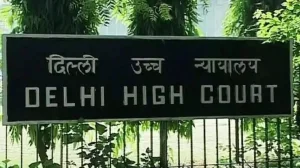
The courts take the lead. In India, the Delhi High Court has started by granting the protection of personality and publicity rights to Telugu actor Jr NTR, thus securing his image, voice, mannerisms, and persona from any unauthorised use. Celebrities, too, are coming forward to seek similar protections as the number of misuses increases.
More and more such decisions are being made, and they point to a broader pattern where the right of publicity and personality rights are getting more and more dominant in AI-era law and order. Nonetheless, the legal process is irreversibly slow, and the compensation mostly follows after the fact. The more the platforms and the designers are obliged to make the regulations and the sources of products known, the sooner are the problems expected to be mitigated.
Platform design choices matter
The harm reduction can be carried out through the product, and for that purpose, the different moves of product makers are of the greatest significance:
– Always ask the owner’s permission before you edit an image that includes identifiable facial features.
– Do not allow any edits that are sexualized for real-life people, including famous personalities.
– Place the items that are considered to be risky in the replies with access to public and move them into the private storage where they will wait to be checked.
– Determine exact limits and make it hard to decline the offer for a sensitive prompt.
– Provide links for instant reporting, quick removal, and mechanisms for challenging the decisions.
– Continue to publicly file reports of how many pictures have been edited and the number of accesses that have been blocked as a result.
– The measure of the picture control being done and the existence of the problem of discrimination in the emerging characteristics are things the red team, a company of testers who have the same skills as any person who would want to exploit the system, would be the best persons to conduct the research on.
It does not mean that there would not be any possible risk; however, taking these steps will alter the risk-taking behaviour of users and will reduce the chances of their activity to quickly go viral.
Origin, markers, and discovery
Technical restrictions can go along with specific policies. To give a hint about an image’s origin or alterations, the image should be marked with a watermark or its provenance should be secured by cryptographic methods. Different as they seem, the combined techniques-origin, the existence of visible labels, and the checking of classifiers-raise the bar for the deceivers and at the same time support the moderation in the future.
The alignment with open standards is a crucial element for the resilience of applications which run on multiple platforms. Dissimilar solutions have gaps and abusers tend to exploit them.
What users can do right now
– Verify shocking or flattering images by checking multiple credible sources or official accounts.
– Look for artifacts like odd fingers, inconsistent lighting, and overly glossy textures though these cues are improving over time.
– Treat viral edits with skepticism, especially when they target private individuals or solicit money.
– Use platform tools to report non-consensual, sexualized, or deceptive edits.
– If your image is misused, document the post, file a report, and seek legal advice where personality or publicity rights apply.
A test for AI responsibility
Grok’s image alterations provide a visual demonstration of how fast playful features can cross the line into the realm of unethical practices. The underlying problem is not the usage of bikinis; but it is the need for consent, respect, and liability in the era of generative AI. In case the generated outputs get directly shared to public threads, the impact will increase, and any cleanup effort might not be enough to cover for the harm.
The roadmap ahead should be based on the common understanding of the developers, platforms, legislators, and the community. Make the consent as the default option while designing. Label and record any modification. Put very clear restrictions on any sexually explicit edits. Offer victims immediate ways of getting help that are reliable and easy.
If the tech industry is successful in meeting the need, it is possible that generative tools will still be able to be both creative and safe at the same time. When they do not, the ransomware of trust will just keep on getting stronger, taking down one person or company at a time with seemingly innocent picture flashes.