This has put the spotlight on a 25-year-old in Gurugram and how she gets by on Rs 27,000 a month. For an investor, it’s a way to spot the low-hanging fruit in services as well as the risks in a market where margins are thin.
Why a viral Rs 27,000 budget matters for investors
Kangana Rai put out a video on Instagram that is a good distillation of what a young pro has to put up with. You see the pull for smaller rentals and the kind of meal and mobility subscriptions you have to have when your discretionary money is being put under pressure.
The kind of response it got tells you there are a lot of people in micro-markets like this one who are mindful of every rupee. That will have a say in pricing for housing, food delivery and even OTT packages.
Inside the spending pattern
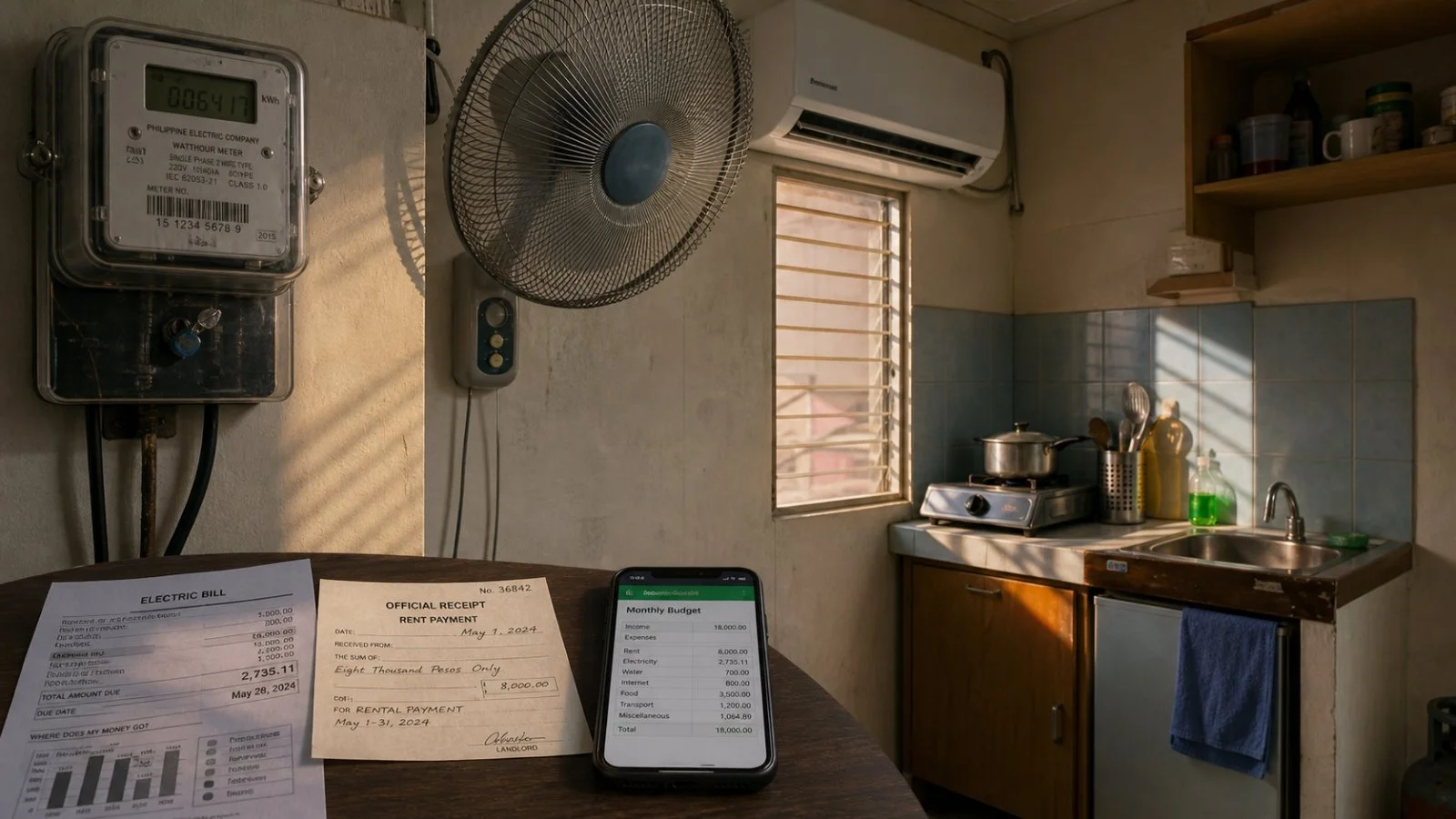
Housing and utilities
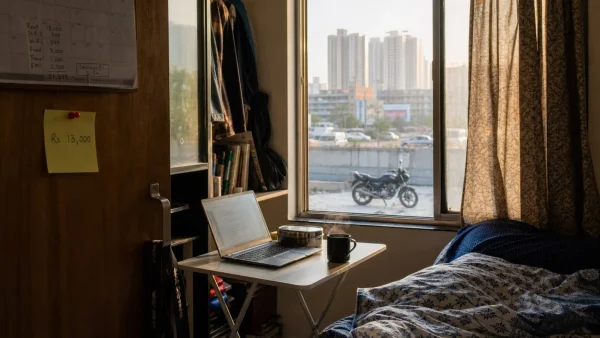
Rai is in a 1RK and her rent is Rs 13,000. It’s the first thing you have to account for and it sets the tone for the rest of the month.
Then there is the electricity. Depending on the weather, she puts down Rs 1,000 or a bit more, up to Rs 1,300 in the summer.
Commuting and connectivity
She keeps a tight rein on how she gets around. To make it to work and coaching, she’ll spend some Rs 3,500, mostly on ride-hailing bikes. An Uber One for about Rs 150 is a small way to keep those fares in check.
You need to be connected and be able to be entertained, but she does it without excess. Internet is some Rs 700; add in Spotify, YouTube and Netflix and you’re at another 700 or so.
Food and small-ticket habits
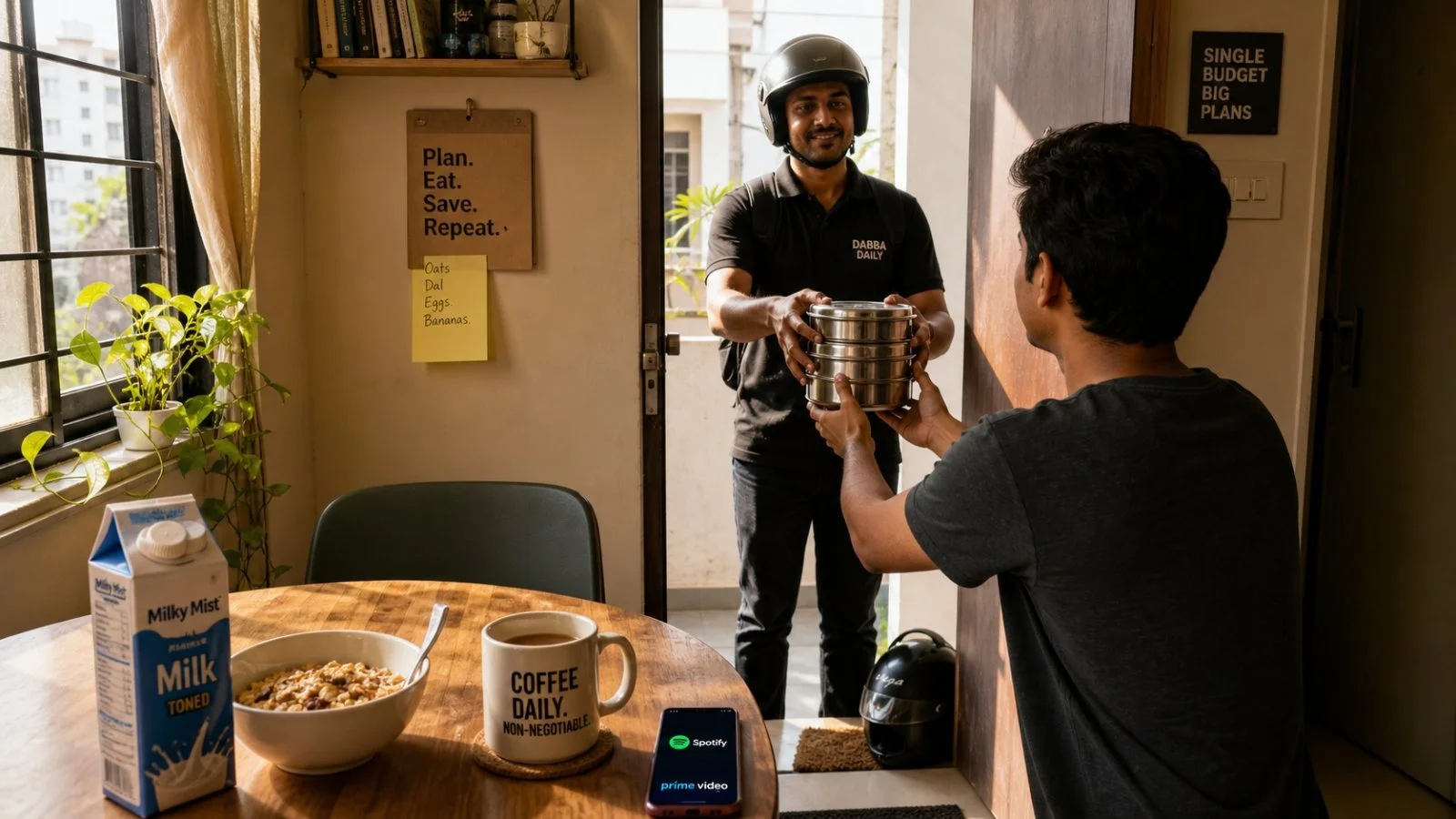
Cooking is not in the cards. She has a tiffin for lunch and dinner at a fixed Rs 3,300. Breakfast is simple – muesli and milk for about Rs 700.
Coffee is the one thing she won’t do without. At a cup a day, that runs to roughly Rs 1,500. And because she’s lactose intolerant, the milk she does have is about Rs 25 to 26 a day.
With the tiffin covering most of it, there isn’t much left for groceries. She has some Rs 2,000 for the odd time out, street food or a bit of shopping. Hygiene and toiletries run her another Rs 1,000.
Risk: razor-thin cushion
It’s a fine line at the end of the month. What’s left over goes to savings or EMIs, but you can’t have your cake and eat it too.
That’s the warning for any lender or brand. A small uptick in one place and you’ve eaten into your ability to save or pay off debt.
If you look at her numbers, here is what stands out:
– Steady demand for micro-units with predictable bills
– For a single person, a meal sub is better than a full grocery run
– The two-wheeler is still king for the budget-conscious
– When times are tough, you want a low-cost OTT bundle
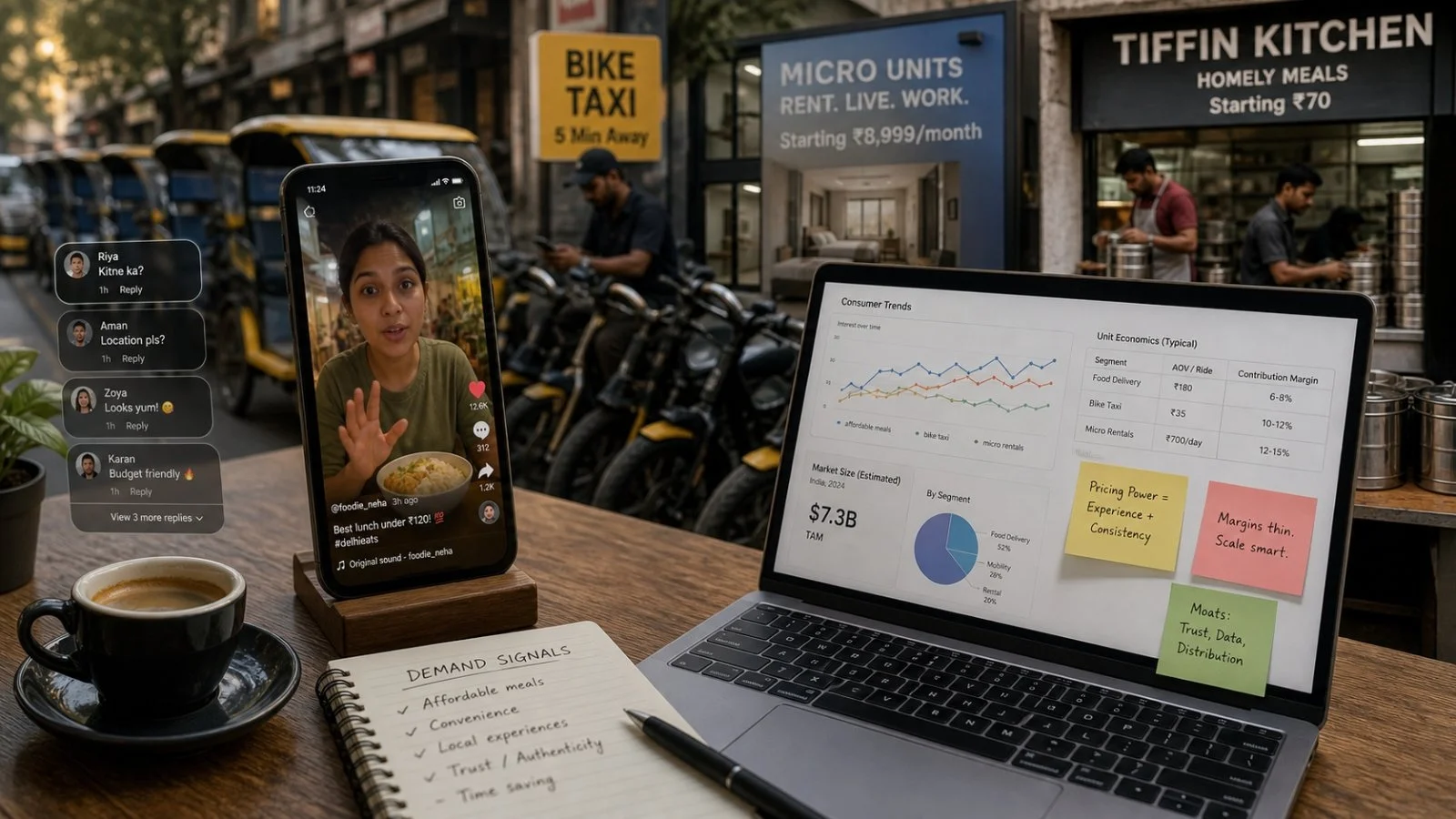
Demand signals from the comments
The viewers made their mark. A lot of them were after the 1RK, which says something about how hard it is to find a good deal in the sub-market right now.
Some were inquiring about the tiffin, looking for a no-fuss way to eat. Others just commiserated with their own costs in Gurugram, making for a sort of community standard.
What to watch next
Should we see more of these kinds of budgets, the focus will be on the smaller rental, the meal plan and the bike taxi. The operators who can offer some certainty will be the ones to come out on top.
In short, the Rs 27,000 model is doable if you build it right, but there is no room for error. If you are in business in this space, you have to be on top of value and price. Even for a policymaker, it is a nudge to get a handle on the cost of living in the city.