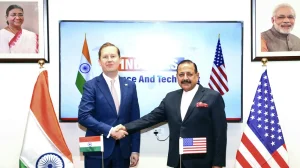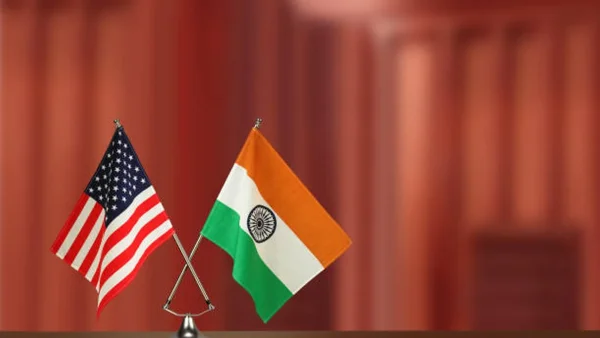
It’s been a long road for this one with the United States, and now it is held up at the line for one thing: the cost of doing business. “We will not implement until we have a leg up on other exporters,” was the message from Goyal on Saturday, even with a finalised plan in hand.
What he means is that the duties on what we ship out have to be less than what our competitors are paying. If we don’t have that, he was quick to point out, we’d be weakening our position, not fortifying it.
Then you have some legalities to factor in. Goyal mentioned a recent order from the Supreme Court on tariffs that has muddied the waters on timing, and that came after we had already put pen to paper on the framework.
Why the last mile is tricky
It comes down to being able to compete. The government isn’t going to put the pact into effect unless the duty structure gives us an opening against the rest of the field in the US, Goyal says.
Put simply: “We can’t do the FTA without a competitive advantage. We have to make sure our duties are lower than the others; once we’ve sorted that, then we will move on the agreement.”
So before you see any action from New Delhi, here is what has to be done:
– Our goods have to carry a lighter duty than the competition
– We need to be clear on the court’s tariff ruling
They were done with the hard part of the negotiations back in February. But if you listen to Goyal, it is the quality of market access, not the ink on the page, that will put the deal in motion.
Signals from Washington
Sergio Gor, the man set to be the next US ambassador in India, has been in a positive mood. He put it at 99 per cent done, with his team working on the final bit to get it over the line.
He has been saying for weeks that we should be looking at a signature in the near term, not years down the road. In his view, the potential for what we have with the US is without limit.
There is talk of an interim arrangement to get to a more comprehensive one. It is meant to tie us closer in on trade and tech, but Goyal is firm: the way the tariffs are handled will be the deciding factor.
The strategic stakes and competition
This isn’t about red tape. India is trying to put one over on the other countries vying for the same customers in the US. A good tariff rate is what will put supply chains in our courts and let our companies pick up the slack.
Hence the care we are taking. Let the rivals have the same or better rates and we could be left with nothing, even with a signed paper. Goyal has made a near-done negotiation into a matter of who has the upper hand.
If you are following the story, these are the three things to keep an eye on:
– How much of a margin we have on the tariffs
– Where we are with the court’s order
– What the interim deal will do as a stop-gap
Domestic signals from New Delhi
Goyal also put in a word for the wider economy. As for the rupee’s slide, he is confident it will hold and he is bullish on our growth.
Under Prime Minister Modi, the government has been out in force on the trade front. “Nine FTAs with 38 countries have been put in place,” he noted.
When it comes to farming, he pointed to the subsidies on fertiliser. “We have given 90 per cent subsidy at the same rate for 12 years. That is only the start. We will build the nation – Viksit Bharat – with the people of India.”
What comes next
The framework is in the books. But as Goyal has laid out, we can’t put it to work until the question of a tariff edge is put to rest.
In Washington they think we will be through with it in a few weeks or months. India’s side of the equation may put a pin in the timeline until the numbers add up. So for the moment, look for any shift in the duty differentials or word from the top on the Supreme Court’s order. When those are in line, the pact will be in force.