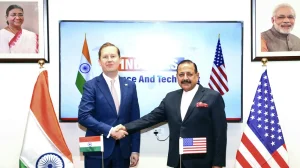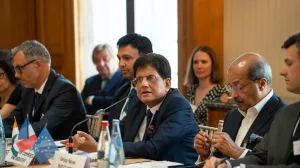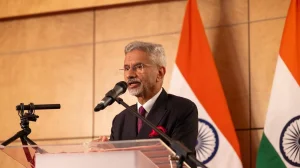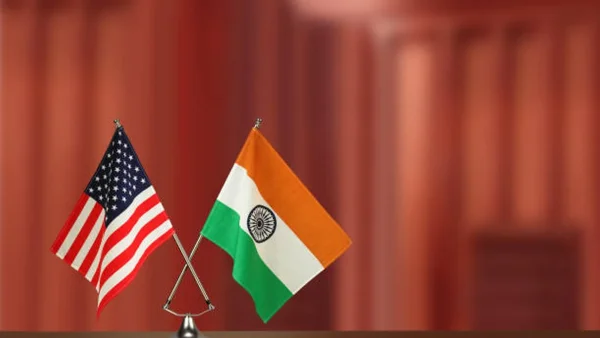
The US is sending a team over for the first four days of June to seal off an interim pact and give some impetus to the larger bilateral arrangement. A government official has put it this way: we are moving from a framework to a conclusion, with both parties looking for some quick wins to open up markets and let commerce flow more freely.
Why the visit matters
On paper, the interim accord is for the kind of two-way, beneficial trade you would want. But it’s about more than just the numbers on a tariff line. The negotiators are making a point of aligning on economic security and putting investment front and centre, so there is some resilience and predictability for companies on either side of the border.
Make no mistake, the India-US BTA is what they are after. This round is to wrap up the interim package and keep the ball rolling on the full-scale pact that was re-emphasised in recent pronouncements from both countries.
What negotiators will tackle
Don’t expect a purely ceremonial agreement. The conversation will be on the practical side of things – how to get around the bottlenecks you see in the field. You’ll see a mix of market entry, customs and the sort of behind-the-border hiccups, all in the name of drawing in capital.
One official from the government put it like this, listing out where the discussions will go:
– Market access
– Non-tariff measures
– Customs and trade facilitation
– Investment promotion
– Economic security alignment
It’s a deal made to cut down on the paperwork, make clearances less of a chore and give exporters and investors a sense of what to expect. In short, turning a political idea into something you can work with on the ground.
How the timeline has accelerated
Back on February 7, a joint statement put forward a framework for an interim deal and made it clear the two sides were still in it for the long haul on the wider BTA.
Things have been picking up since then. An Indian delegation was in Washington DC in late April (the 20th to 23rd) to sit down with their US counterparts. Now it’s India’s turn to host, with the US Chief Negotiator at the helm for the June 1-4 trip.
Signals from officials
There is a good deal of optimism in the air. US Secretary of State Marco Rubio has been saying they are churning through the ‘very final details’ and he is sure it can be done in a matter of weeks. When he was in India he put it even more bluntly: ‘We hope to have it even next week or the week after.’
For Rubio, the pact is a means to an end. ‘It is not just about tariffs, but about creating the conditions to be able to do all these other things together that we want to be able to do,’ he said.
A note from the Ministry of Commerce and Industry makes it plain: the next session in India, June 1 to 4, is to close the book on the Interim Agreement and proceed with the BTA.
US Ambassador Sergio Gor has been in no doubt that an interim deal is on the table and he is hoping for a signature in the near future. He also pointed to the fact that India has come on board with Pax Silica and that commercial ties are at an all-time high.
What comes next
As one official put it, the purpose of the visit is to nail down the interim and press on with the BTA, be it on market access, non-tariffs, or any of the other items on the docket.
For the business community, it is all about having some answers. Less red tape at the border and rules you can count on will mean shorter lead times and steadier costs. If this interim pact is anything like what they are touting, it will be the model for the comprehensive one to follow.