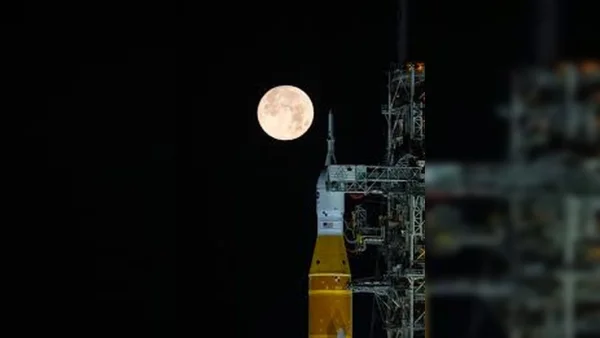
NASA’s latest technology policy change, permitting the use of cutting-edge smartphones in space by astronauts, signifies a small yet essential change in the way in which advanced equipment is issued to crews for specific tasks. It is a reversal of the agency’s old technology practices which prevented carrying of modern mobile devices such as smartphones to space. This policy update will occur as the June 2023 launch of the ISS docking event occurs towards the Moon billed as “dry run.” That capability will also extend to additional areas on the lunar missions such as Artemis III whose duration towards the artemis project is 3 days, 4 hours, 4 minutes for Chronological = 77:21:04:48 minutes.
You can expect us to have our smartphones with us.
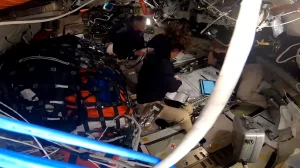
Crew-12 is scheduled to go off first, taking an international crew to the ISS for an approximate duration of six months. Immediately upon arriving at the destination, astronauts on this crew will rely on the station’s telecommunication system other than smart phones.
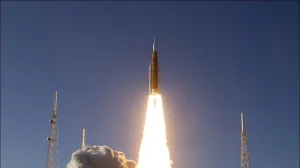
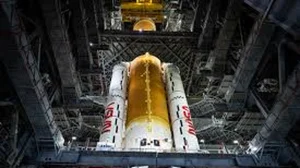
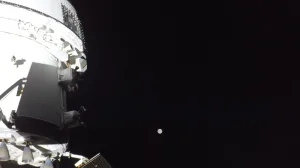
Artemis II, conceived as a 10-day out and back lunar mission, will have three Americans and one Canadian traveling around the Moon to check out the hardware of the Orion vehicle. Within this mission will be Apple iPhones, which will become some of the first – if not THE first – consumer-grade device meant for use in space in a dynamic situation that is not purely suborbital or up to the first twenty miles of the earth’s surface.
What are the suggestions for introducing new policy?
NASA presented the decision as integral to its ongoing modernization of acquistion and qualification procedures. Allowing the use of iPhones in orbit has more than one benefit; First, recording events and activities aboard and out of station enhances the welfare of the astronaut and the overall image of space exploration. Second, testing modern hardware in space during real mission conditions.
Official also highlighted the importance of overcoming anachronism approval processes regarding specific devices that have low risks and have potential benefits associated with them. The change is motivated by an operational need to accelerate hardware certification in the hope of improved science data and more efficient logistics during lunar and orbital missions.
Smartphones and how they are certified for flight
There are several tests an iPhone has to undergo for it to be certified safe for the space environment: radiation effects, battery thermal performance, vacuum and vibration environments, materials off-gassing and etc. Each of these tests ensures that the devices do not cause any threats to other spacecraft or endanger the safety.
NASA pushed ahead with these tests, not compromising safety precautions in the process, and will Apple, in turn, will provide devices for astronauts’ use and evaluation. At once though, they hope to give these devices a full qualification to last for a while and more, doing away with the old trends for other forms of commercial technology.
Tangible Pros for spacemen and related service departments
Smartphones, which have far better cameras, capacity and networking functions than the older cameras on board, also offer families calls and private archiving. Astronauts will use the smartphone’s camera for videoconference, personal-recordings, and educational activities which greatly reduces the use of outdated DSLRs as well as action cameras.
Built-in phones also serve as means to reduce some of the manual operations. One can use modern tools, short-cuts and even standard android applications in checking up some needs, quick data capturing, and internal activities reviewing when certified avionics and specific cables get inappropriate.
Wider aspects as regards to space travel and place commercial gadgets in whole
Indeed, this act further demonstrates the realisation that there is a rapidly increasing demand for private technologies in space. Manufacturers receive strict safety standards for qualification of standard products resulting quicker development of inexpensive components which can be adapted to varied purposes.
The social aspect is also important since it is encouraging that imports would be available within the frameworks safety standards. This might help further mission instrument and apparatus innovation and configuration adaptations in future lunar and orbital programs.
Anticipating this advance: the use of iPhones in space
There is a likelihood for a good quality of photo and video materials thanks to Artemis II expedition and probably more ways for crew members to feel alright with their folks at home and communicate with them. All iPhones go aboard Artemis II and end up at the ISS in sense turn out more endure able, and should there be any problems we wait for possible long-term performance problems.
For instance, she points out that if such smartphones function well, it can result in a broad range of modern types of equipment being used on board. Such a change may be painstakingly clear, but it shows a redefine purpose of space flight to be more accommodating, kinaesthetic and encompassing apart from keeping up with the rapid advancement in consumer technology.”