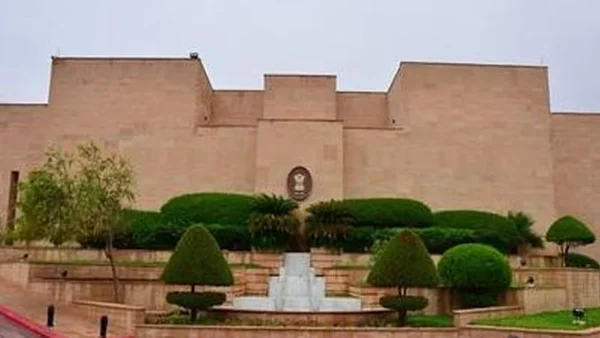
The Indian Embassy in Riyadh held an online meeting with the principals of CBSE schools all over Saudi Arabia, because the fighting in West Asia was making things unstable and messing up school. Embassy people told the school leaders what was going on with safety, and what the embassy was doing to help Indians in the country, and to answer questions about the board exams.
The Embassy Talks to CBSE School Leaders
Abu Mathen George – the Deputy Chief of Mission – and Vipul Bawa, First Secretary, ran the meeting with the school principals. They talked about what was happening in the area, what dangers students and families might be in, and how the embassy could help.
The officials gave advice on what to plan for if things got worse, how to talk to people, and how to get in touch with the embassy if there was an emergency. Principals were asked to tell the embassy what problems their schools and students were having in their areas.
CBSE Calls Off Important Exams in West Asia
With safety getting worse, the Central Board of Secondary Education cancelled the Class 12 board exams that were planned for March 16 to April 10 for students in Bahrain, Iran, Kuwait, Oman, Qatar, Saudi Arabia, and the UAE. Earlier postponements of exams were also cancelled, and now those exams won’t be given.
The CBSE had already cancelled the Class 10 exams in those same countries. The board said it would tell people later how the results would be decided for the Class 10 and Class 12 students who were affected. The decision came after looking at what could be done, what the schools had asked, and what local leaders had said.
How Students and Schools Are Affected Right Away
Students and families don’t know what will happen with grades, getting into college, and when scholarships will be given. Principals said that students couldn’t get ready for exams like they had planned, and older students who were waiting for board results were really worried.
Schools now have to change the school year, change how they mark students’ work inside the school, and work with the CBSE to get official advice. A lot of schools will need to tell parents and colleges what the new plans are, so students don’t miss out on getting in, or getting credit for what they know.
What the Embassy Is Doing to Help Families
The embassy told the principals about what it was doing to help Indians in the country during the trouble. The help includes emergency help from the consulate, phone lines for families who were stuck or in trouble, and working with local leaders on safety rules.
Officials also talked about plans to help schools tell parents and students what was really going on. The embassy asked school leaders to make lists of students and families who really needed help, so help could be given to them quickly.
What Education and Rules Might Be Like in the Future
The cancellations show how easily school across borders can be stopped by fighting between countries. Boards, schools, and people who make rules now have to pick between other ways to grade students, watching exams online, or grading students where they are.
People who work in education will probably ask central boards and embassies to make clearer rules for what to do in a crisis. It will be important to have clear times for grades to be given, and colleges to change when they accept students, to keep students from being hurt in their school and work lives.
The safety situation in West Asia also makes schools that hire people from other countries and depend on the area worry about money and how things work. School leaders might have to look again at plans for staff in an emergency, help for students, and how to talk to people.
The talk between the embassy and schools in Riyadh is a way to work together to lessen the problems right away, and plan for what might happen in a few months. As leaders work on what to do with grades and results, principals will be very important in helping students, telling families, and keeping school going even when things are hard.