Talking to Iran directly is getting things done
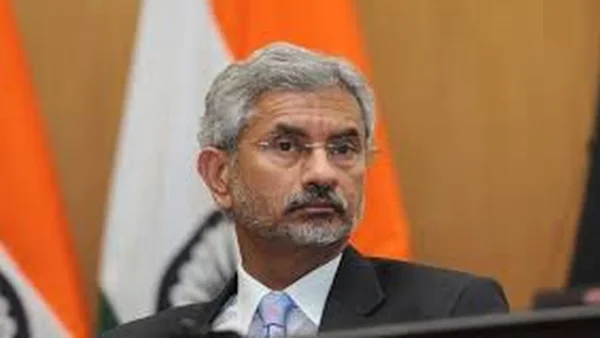
Jaishankar said the recent talks with Iran were a sensible thing to do, given the dangers in the Persian Gulf. He believes it’s better to use reason and work with Iranian leaders to find answers, instead of stopping contact with them. The goal is to protect the important flow of energy, and not make things worse.
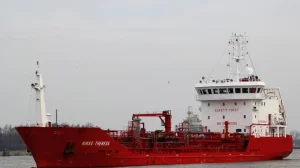
The minister said that two Indian tankers getting through safely – the Shivalik and the Nanda Devi, which were carrying about 92,712 tonnes of liquefied petroleum gas for the ports of Mundra and Kandla – shows this is working in a real, immediate way.
Each trip is still decided on its own; no full deal yet
Jaishankar made clear that New Delhi doesn’t have a deal for all Indian ships. Getting permission to pass through is being done separately, each time, and talks are still going on to make things more certain. This careful approach is a balance between keeping things safe and using diplomacy.
Recent movements show that carefulness. The tanker Jag Laadki left Fujairah with around 80,800 tonnes of Murban crude oil, after loading was slowed down by an attack. Officials stressed the need to be very watchful and change routes as needed to deal with the risks to the people on board and the cargo.
India is trying to get enough energy, and be careful in diplomacy
India has begun to watch fuel supplies and safety at sea more closely, to protect the energy it imports. Groups are following shipments, working with navy ships, and looking after Indian people in the area. All this is to reduce trouble for fuel markets inside the country.
Jaishankar also said India will share what it learns with other countries, but understand that each country has its own relationships. New Delhi would rather keep talking than use force, and wants to solve problems with getting things where they need to be through talks and practical arrangements – not fighting.
Trouble in the area affects trade and markets in general
The Strait of Hormuz carries almost 20 percent of the world’s oil trade, so any trouble there quickly affects shipping, insurance, and prices of things being sold. If things get worse, shipments might have to be sent another way, the cost of shipping will go up, and supplies of things like LPG and crude for India could be affected.
Warnings about attacks on places like Kharg Island have made the world pay attention, and people have asked for more safety at sea. Someone on social media asked other countries – including China, France, Japan, South Korea and the UK – to think about sending navy ships to protect merchant ships.
What to expect for shipping, markets, and what governments will do
Right now, the mix of talking to Iran and deciding about each trip separately means things are stable, but only if certain things happen. Insurance companies and people who hire ships will set prices to match the risk, and companies may want to have protections in their contracts, or find other ways to get what they need, as a plan B.
Jaishankar described India’s plan as sensible and looking ahead: keep the lines of communication open with Tehran, protect the important supply lines, and change how things are done as needed. Keeping up talks, being ready to act, and working with other countries will decide how well India can keep its tankers and energy supplies safe in a sea area that is easily disturbed.