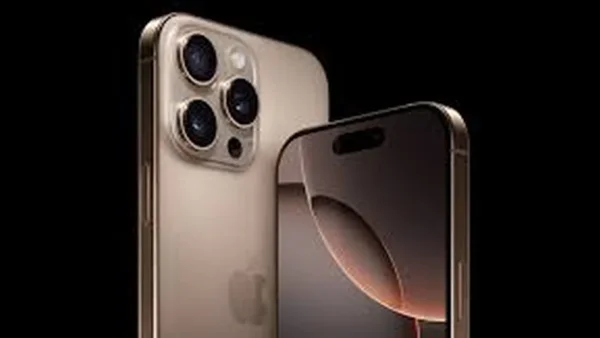
You’ll probably pay more for an iPhone in India when you actually buy it, even if the price on the box hasn’t changed. Apple is offering less in the way of discounts on older phones and bank cashback is down too. This combined effect means a higher final price.
What is changing in Apple’s India pricing strategy
For a long time, Apple has secretly helped stores give discounts using this “demand generation support”. This is money Apple gave to fund promotions without changing the official price. Now Apple is giving less of this money to stores, so stores have less ability to lower the price whether you’re shopping in a store or on the internet.
This change to how things are done follows earlier reductions in bank cashback. During Apple’s 50th anniversary, people getting a phone could get a good amount of money back. Recently, these cashback offers have gotten smaller, meaning fewer ways to save at the checkout. The end result is you’ll pay more out of your own pocket, even though the price on the box hasn’re changed.
This is all a sign that Apple is going to have much more control over pricing and how it’s seen as a brand. By making the price difference between older and newer phones smaller, Apple hopes people will choose the newest phones and continue to get a high profit. They are prioritizing keeping prices steady and not having lots of big sales.
How demand generation support kept older iPhones cheaper
“Demand generation” isn’t a price cut you see in the store. It’s money Apple gives to stores and other sellers to make those deals you see advertised possible. Stores used this money for festival deals, money for trading in your old phone, and limited-time sales without changing the price on the box.
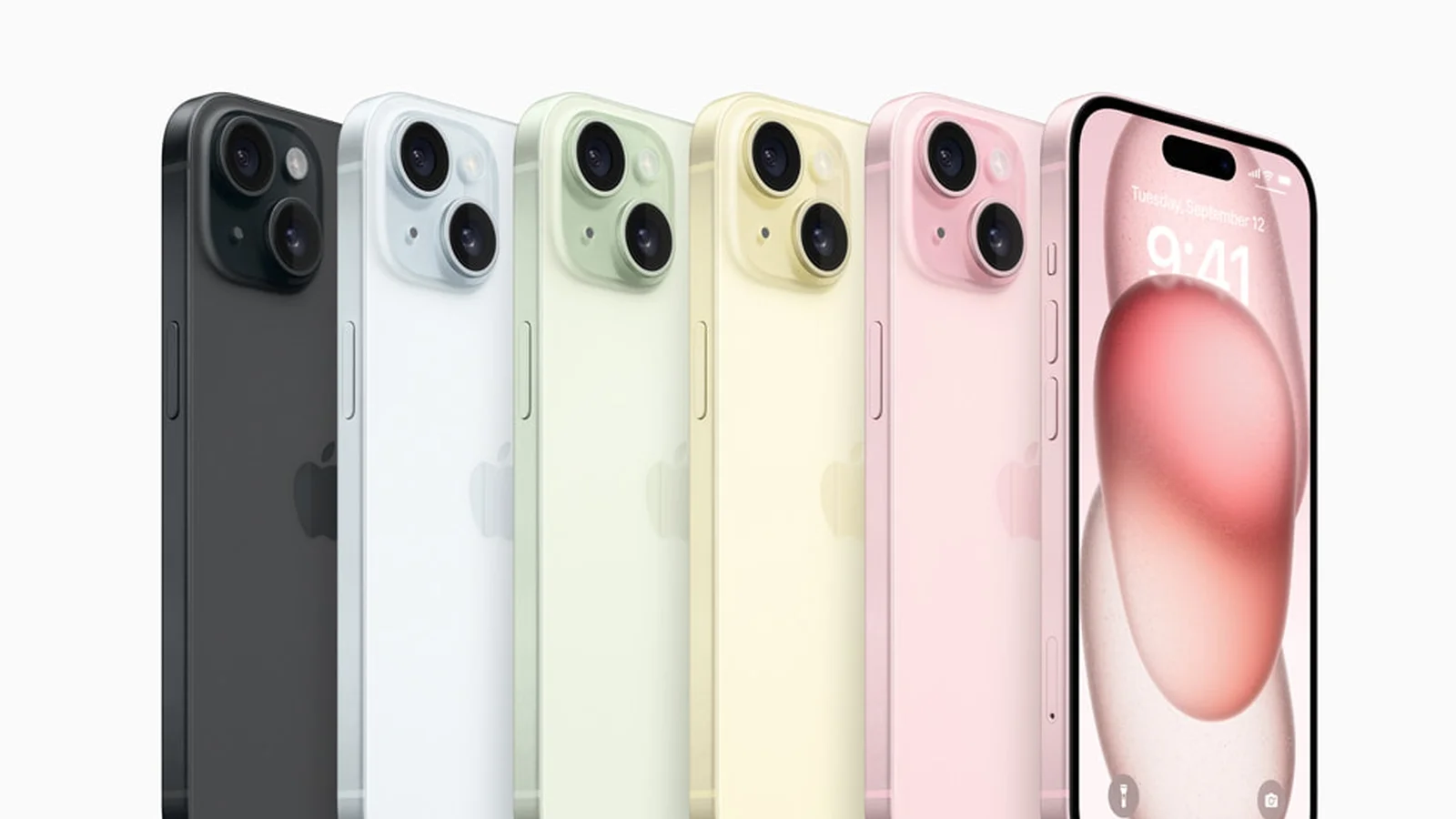
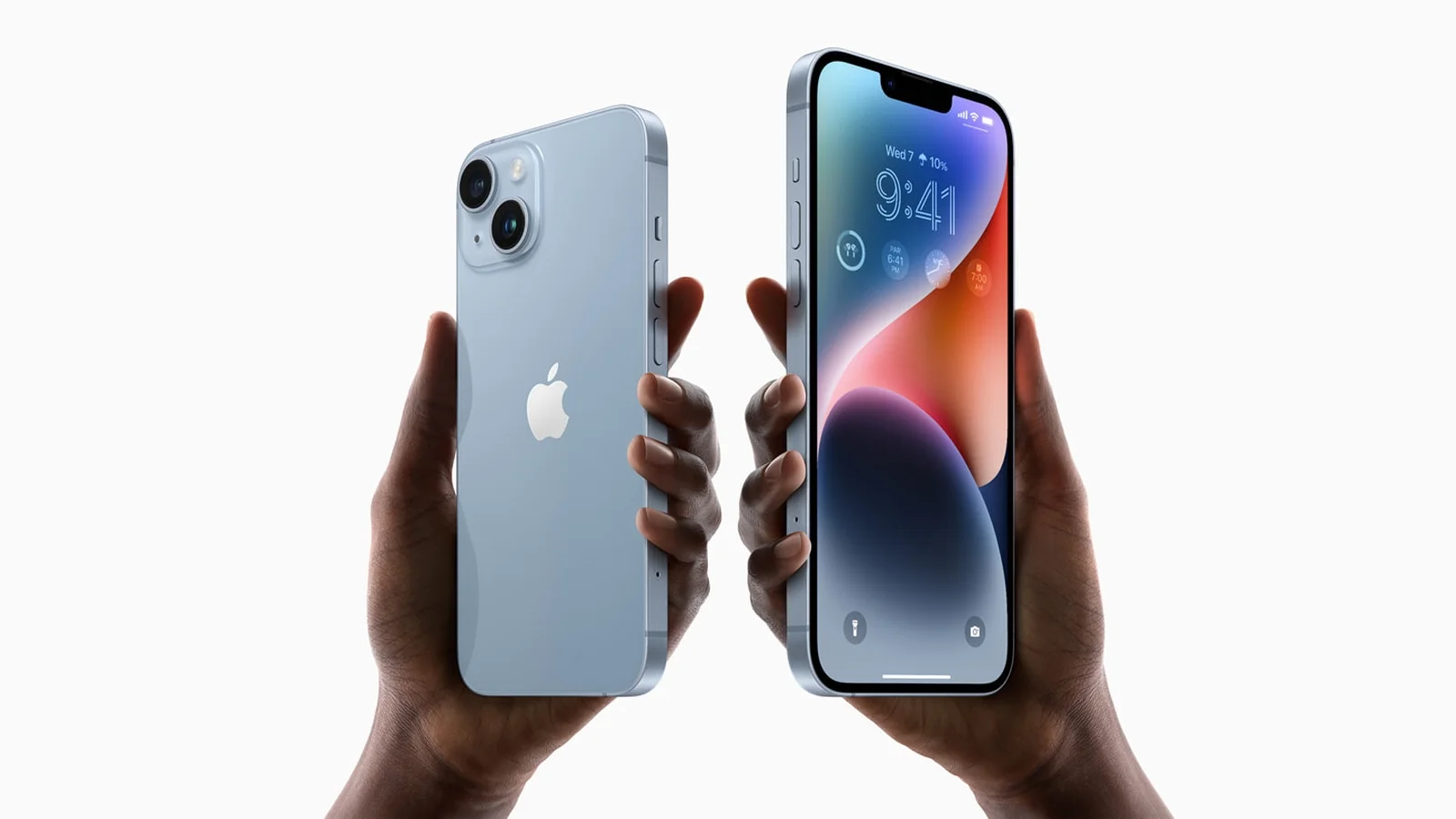
Because of this support, the iPhone 14 and 13 were good value in the last few times they were available. Very recently, this system also helped lower the price of the iPhone 15 as the iPhone 16 was about to come out. Reducing this support means there’s less chance of those really good deals.
The likely Rs 5,000 bump in effective prices
People in the industry think the reduction in Apple’s support for stores could increase the price of popular phones like the iPhone 15 and 16 by roughly 5,000 rupees. You should expect fewer special offers during festivals, smaller amounts of money for trading in your old phone, and smaller cashback offers from banks on the iPhone 14 and older.
The price on the box will be the same as before, but your final total will be different. Without Apple providing money to make up the difference, stores will find it harder to offer the same deals as last year, particularly on older phones that usually have the biggest price drops.
Cashback cuts shrink savings at checkout
This decrease in Apple support for stores is happening at the same time as reduced cashback from banks. Some bank cards used to get you around 6,000 rupees back during big sales, but many recent deals are closer to 1,000 rupees, and depend on which bank and card you use. Even this alone makes a clear difference in how much you pay.
If you get less cashback and stores have less to offer, your overall savings shrink. If you usually buy a phone during a big sale, you need to think things through differently: fewer deals that work together mean a higher final price, even if the trade-in value for your old phone or the monthly payments on a plan stay the same.
Which iPhone models in India may feel the pinch
This will especially affect recent older models that people looking for a bargain tend to buy. That includes the iPhone t6 and 15 lines which have had good deals with Apple’s support when newer phones came out. The iPhone 14 and older might also have smaller discounts.
New, top-of-the-line phones don’t usually have big price cuts at the beginning, so this change will really be felt by phones that are seen as cheaper ways to get into the Apple world. People who have used seasonal sales to get an iPhone 14 or 13 for a price they can afford might now find fewer options.
Impact on buyers, retailers, and market demand
For you, this means you need to do more planning. The difference in price between older and newer iPhones could get smaller, which might make some people spend more to get the newest model or choose a different amount of storage to fit their budget.
Stores may have fewer people coming in to take advantage of sales because Apple isn’t giving them as much money. It will be harder to have big, noticeable sales to get rid of older stock. They will probably start to offer packages of items, encourage you to trade in your old phone, and have longer payment plans to keep sales going.
However, demand for iPhones might still be strong. Many people in India pay for things in monthly installments (EMI), so spreading the cost over many months softens the blow of a higher price. Apple’s brand and how people stick with Apple products still have a big influence on people who want something nice, especially in wealthier cities.
What’s happening in the wider market is also important. Brands like Samsung, Xiaomi, Oppo, Vivo, Realme, Motorola and Nothing have all raised prices or delayed releasing new phones because of the cost of memory and storage. With prices going up across the board, Apple doesn’t look as different when it’s reducing discounts.
Practical tips to save on your next iPhone
Here are a few things to do:
Compare prices online and in local stores; some stores will still have good deals.
Use whatever bank offers are left with trade-in bonuses for the lowest final price.
Think about longer payment plans to reduce the amount you pay at first.
Try to buy during major festival times, as some deals do appear then.
Outlook for 2026: pricing discipline over deep discounts
* Consider different storage amounts; going down one level can save you a significant amount.
Apple in India is now more interested in controlling prices and making a profit than selling as much as possible. Reducing the support they give to stores and decreasing cashback reduce the amount you can get off the iPhone 16, 15, 14 and older, making the final price about 5,000 rupees higher in many cases.
This could make more people buy the newest models while protecting Apple’s image as a premium brand. Still, the fact that people in India use EMIs, trade-in programs, and are loyal to the Apple brand means iPhones will likely continue to be popular, even if there aren’t as many amazing deals as there were last year.