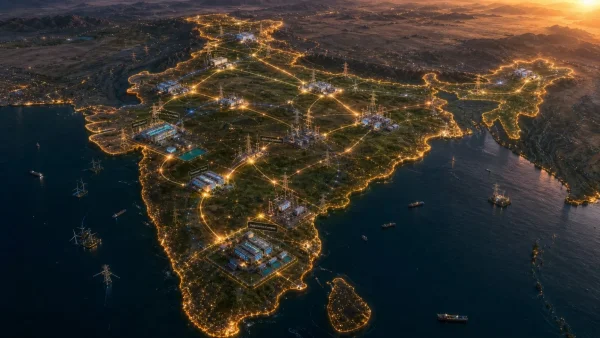
You won’t find India’s best AI play in a line of code or on a chip. According to a fresh take from Shriram AMC, what is holding back the global AI build-out is a lack of juice, not GPUs. That makes the power and electrical equipment side of the business the one to watch as data centres put pressure on grids around the world.
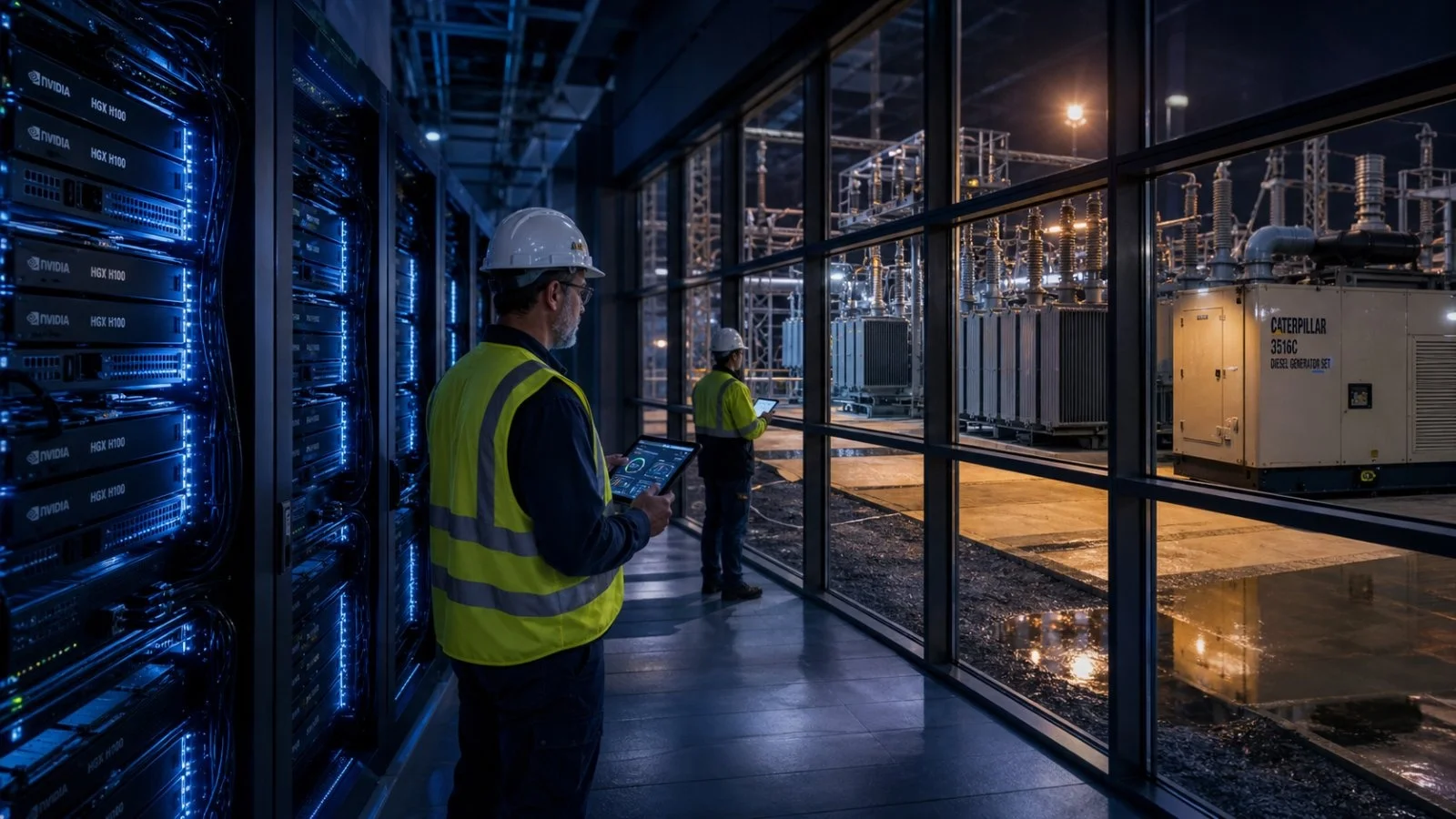
Power is the binding constraint
The old story was that you had to be with a chipmaker like Nvidia or a top-tier model lab to come out ahead. Shriram AMC has some different numbers. Their view is that it is the ability to get hold of reliable, scalable power that will set the speed at which AI capacity is brought to market.
Put another way: while a GPU can account for 60% of a data centre’s capital outlay, it is the power supply that calls the shots on how quickly you can deploy. An AI-ready facility with a gigawatt of heft can run $20-50 billion and use as much current as 750,000 households.
The capex wave in numbers
There is a lot of money moving to clear the bottleneck. The top four hyperscalers have put in about $1.08 trillion for AI over the 2021-2025 period. For 2026, they are on track to spend some $725 billion, a 77% jump from last year.
Goldman Sachs sees total AI infrastructure spending hitting $5.3 trillion by 2030. Yet for all that, Shriram AMC says the real obstacle to putting more AI in the ground is still the power, not the wafers.
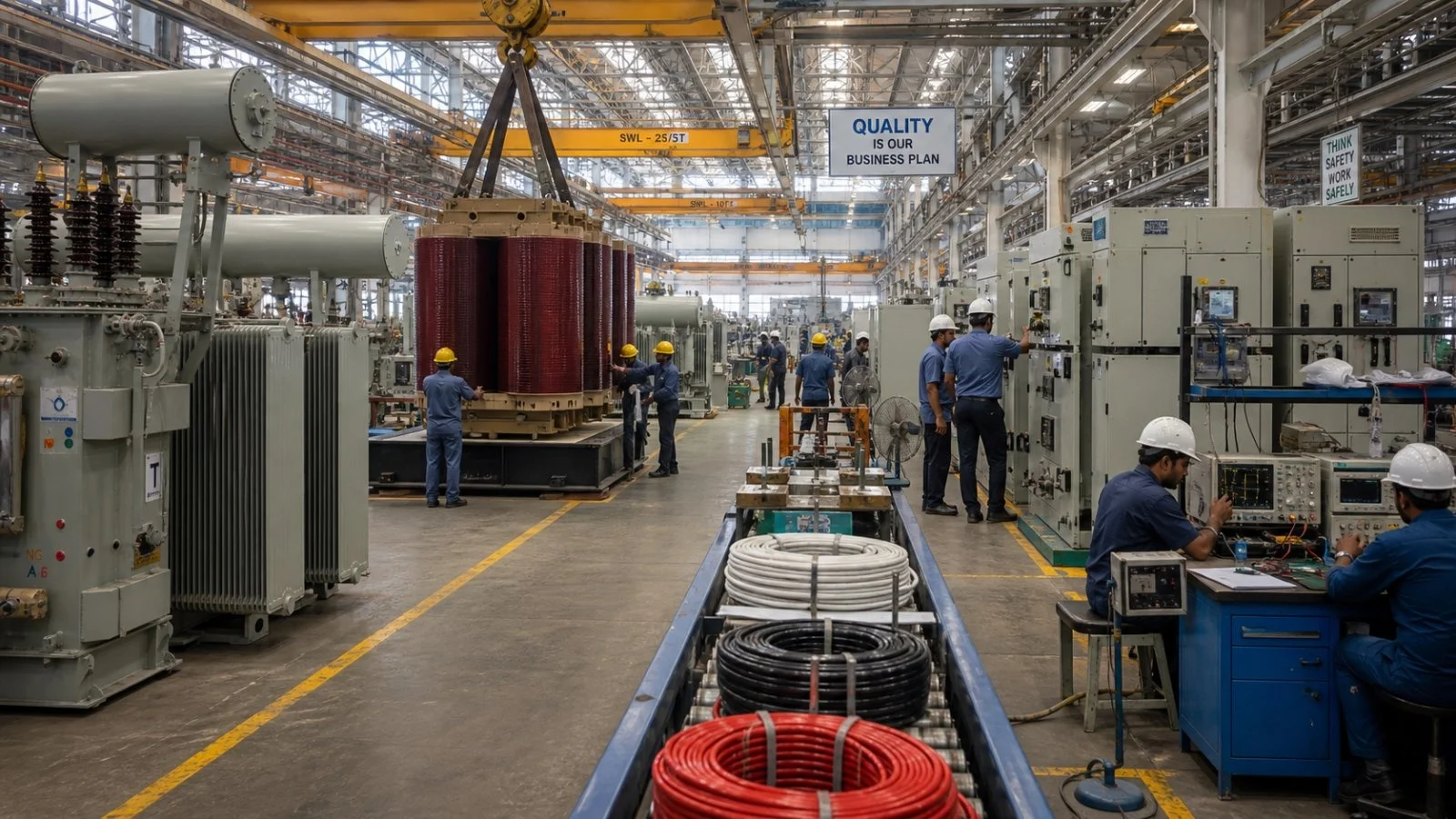
India’s investable lane: grid and gear
India doesn’t have a home-grown hyperscaler or a frontier AI lab on the public markets, as you see in the U.S. So the equity angle in the OpenAI or Google corner is off the table. The case is to be made in the supply chain that makes it all work.
Shriram AMC is leaning into the power ecosystem. We are talking about the generators, the transmission companies, the EPCs, the financiers, and the rest of the value chain that a data centre needs to function.
Some of the sectors that stand to do well, per the report:
– Power and transmission utilities
– EPC and financial players in the transmission space
– Makers of switchgear, transformers and diesel gensets
– Those in the wire, cable and cooling business
– Equipment for new data centre construction
It does not matter which cloud or model is in vogue. Any time a company is training or running inferences, it is going to need the wires, the thermal management and the power. In that sense, the infrastructure side is a no-brainer.

Bubble fears reframed: returns, not hype
When it comes to the talk of a bubble, the report looks past the valuations to the unit economics.
The numbers put it at $600-650 billion in extra AI revenue a year for the industry to see a 10% return on what has been put in. Current figures, by contrast, are in the $50-150 billion range.
Shriram AMC does not see this as a solvency problem. The outlay is being bankrolled by cash-heavy tech firms in a way that was not the case with the dot-com or telecom booms of yore. The real question is whether the returns will come in before the assets lose their value.
In India, that is a key point. A quick payback could see capex and the need for grid and equipment pick up. If monetisation is slower, spending may be more measured but will hold its ground; the balance sheets behind these projects are not to be trifled with.
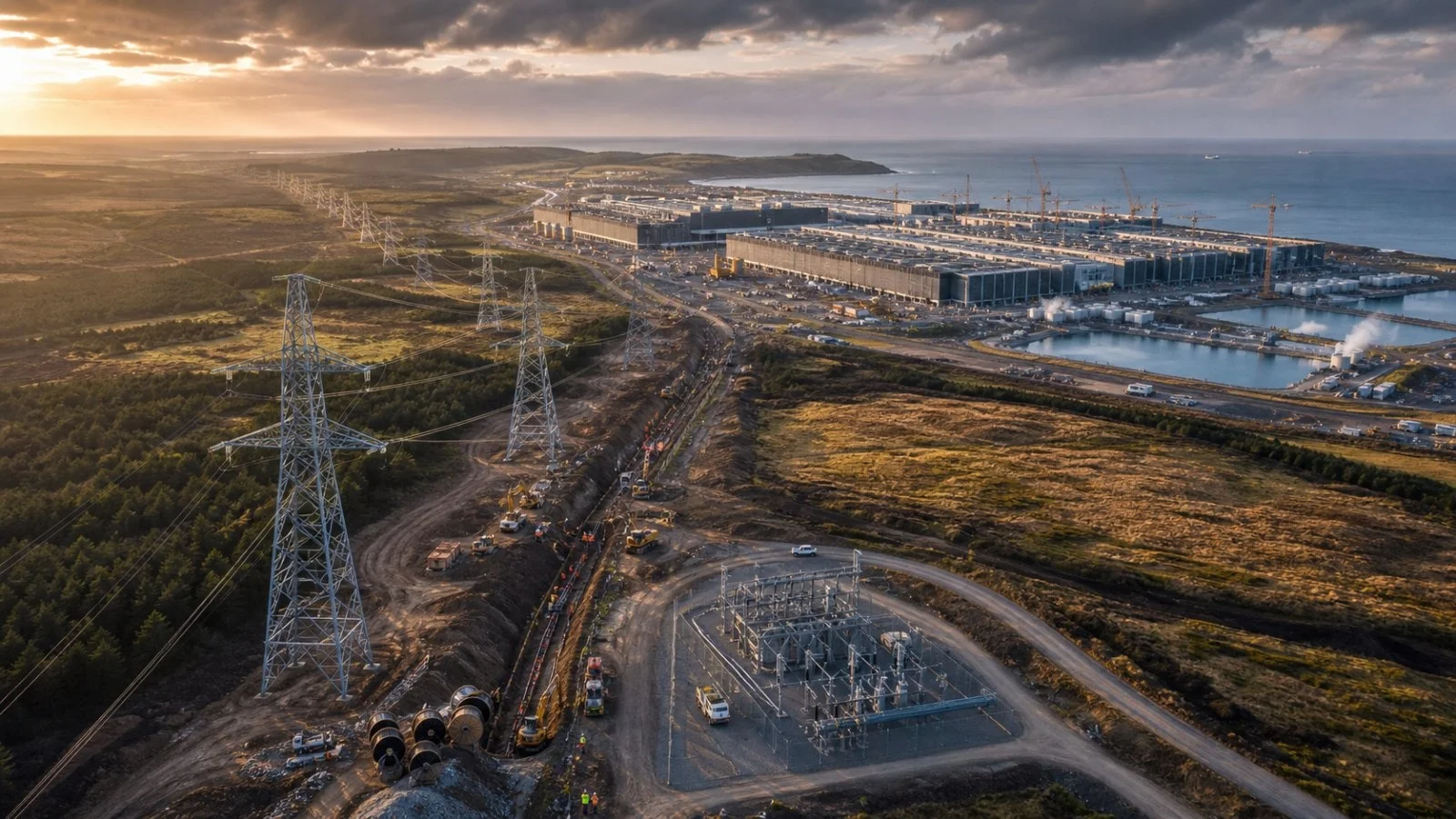
Where the narrative meets the grid
There is also a way to hedge against model uncertainty here. One does not have to be right about which AI agent or interface is the next big thing. It is possible to put a stake in the bottleneck that makes them all work, be it a new GPU or an entire gigawatt campus.
Then there is the matter of data centre economics. GPUs may be the most visible part of the bill, but you cannot run a facility without steady, reliable power. This is what is driving long-term demand for everything from generation to cooling.
Why this matters for Indian portfolios
For those in the domestic market looking for some AI exposure without putting all their eggs in one lab’s basket, the power side of the equation is where the signal is. The logic is simple: scale the compute and the need for electricity and the infrastructure to back it up will be there.
The report makes room for manufacturers as well. You have your transformers, switchgear, cables and the like – the picks and shovels of the current cycle. Makers of electrical gear for data centres are worth a look.
And if AI were to cool off? The view from Shriram AMC is that the build-out would likely go on, just not with such a flourish. Since the funding is largely internal, India’s power sector is somewhat shielded from any changes in how the business is done.
Geopolitics is another layer to consider. Wherever power is cheap and dependable, the AI workloads will go. Having a ready grid can be as important as having the newest hardware.
So for India, it is not a matter of vying for the next ChatGPT. It is about being the one to provide the underpinnings for every chatbot and enterprise model. There is no need to be in the ring for the frontier models when one can supply the substation and interconnects.

What to watch next
Over the coming months, the order books and project lists of the power and equipment space will tell the story. Any movement in data centre clearances or tenders for transmission and cooling will be telling.
The bottom line is this: the AI contest is as much about megawatts as it is about model weights. Shriram AMC’s take is that the surest way for an Indian investor to be part of this is via the wires, the transformers and the cooling, rather than the software making the headlines.