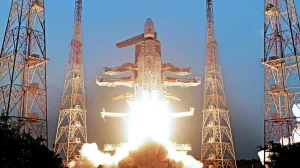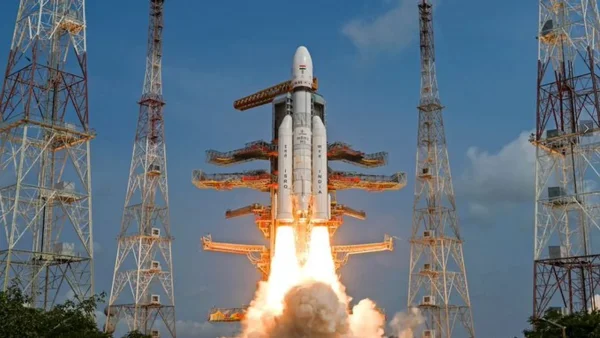
We’re talking about the very LVM3 that put Chandrayaan-3 in orbit. IN-SPACe has put out a call to Indian companies to step in and run the whole show – from realisation and operation to commercialising it. You could say it’s all about getting to a faster cadence and a larger piece of the global heavy-lift pie.
It changes the dynamic for ISRO. With the tried-and-true launchers going to industry, the agency can get on with the hard stuff. Do it right and you have a commercial vehicle to stand up to the big names from abroad.
What the handover means
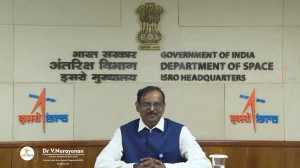
IN-SPACe is looking for someone who can put together, fly and put to market an LVM3 mission. For 42 months or until two of them are up in the air (whichever comes first), ISRO will be there with the infrastructure and some firm guidance to see the new owner through.
Some in the know call it the kind of reform that matters. The idea is to open up demand for a heavy-lift service without putting too much strain on what ISRO can put out.
Bidders and the fine print
The EOI is for the well-established players in India. They want to see you can handle the scale and the supply chain of an LVM3, so the standards for governance and the books are high.
Here is where IN-SPACe has drawn the line on eligibility:
– Private Indian outfits only
– In business for seven years or more
– A half-decade in the space or aerospace game at the least
– Turn in an average of Rs 800 crore a year
– Or be worth no less than Rs 2,000 crore
They are after people with a history of large, no-nonsense turnkey projects and procurement. You can form a consortium or SPV if you like, as long as one of you has been in the sector for five years.
Why now and why do it
This is part of the Centre’s thinking: let ISRO have room for the future. We are on to Gaganyaan, more moon shots, better Earth observation and beyond.
“The plans align with the National Space Policy to bolster the private space ecosystem in the country and to ensure Isro is free to focus on bigger and bolder missions, which include launching Gaganyaan, Chandrayaan-4 and 5 and the Venus missions,” says Lt Gen A K Bhatt, DG of the Indian Space Association.
There’s already been an EOI for the PSLV tech to be handed to the private side. Put them together and you have the makings of a full-fledged commercial capability, from medium to heavy lift, in a space economy that isn’t standing still.
How the rocket has fared
LVM3 has earned its keep, both at home and overseas. Some in the industry refer to it as the Bahubali. It was the one that made the 2023 trip to the Moon with Chandrayaan-3 and has also been behind some of the OneWeb constellation work, proving it can do more than just government jobs.
Since its first orbital test back in 2017, the three-stager has put a lot of satellites in their place. It was the GSLV Mk III before being rebranded, and was built with geostationary comms sats in mind, as well as for things like human spaceflight and the likes of Chandrayaan-2.
Down the line, a version of it will be sending up the Gaganyaan crew. Whether that particular model is in the offing for transfer is anyone’s guess, and something bidders will be on to.
What to look for
If the industry can make this work in the time given, you have a private heavy-lift option in India in no time. Once a partner is out there on their own with LVM3, officials figure we’ll see more launches and a stiffer competition on the world stage.
Get this right and it could be a new way of doing things for India. ISRO is left to the tough questions and the private sector has a new way to make some money for the country’s space goals.