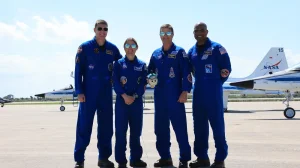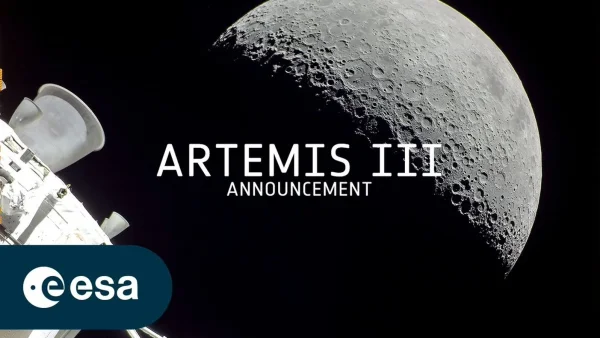
When NASA makes the four new names for Artemis-III public tonight, it will be the next move in the Moon return chessboard. The whole thing is being beamed out live, so even from India you can tune in. But there is more to it than just the reveal; it is a show of intent on how we will test the kind of docking that will be non-negotiable for the Moon.
How to watch the reveal live
You can see the crew come out of the woodwork at 8:30 pm IST on Tuesday, June 9, as it is streamed from Johnson Space Center in Houston. There is also a special session with some behind-the-scenes on mission prep at 11 a.m. EDT.
What you need to know to be there:
– In India: 8:30 pm IST
– Over in the US: 11 a.m. EDT
– On NASA+
– YouTube and X have it too
Why this is significant
Artemis-III isn’t a straight shot to the surface anymore. The plan is for the crew to work out the kinks on rendezvous and docking with commercial landers while still in low Earth orbit. According to NASA, you do the hard stuff close to home first to ensure a safer trip to the Moon.
They see Artemis as a long-haul project. The goal is to put down roots on the Moon, put the first woman and first person of colour on its soil, and lay the groundwork for Mars. You’ll find a mix of international and private interests in on it, like SpaceX and Blue Origin.
Artemis-III in a nutshell
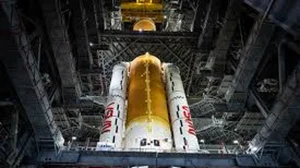
The four of them will be in the Orion spacecraft atop the SLS rocket. Up in orbit, they will put to the test how well Orion can make contact with a commercial lander. It’s a demo for what is to come, with real landings not on the table until Artemis-IV in 2028.
If you look at the paperwork, the dates for this one have been a moving target. We were told late 2027, now it is mid-2027. They are still fine-tuning the schedule as the hardware and the tests allow.
Some of the work under the hood
Northrop Grumman has put the biggest solid rocket booster segments for the SLS into NASA’s hands. They will be put together at Kennedy in the months to come. The agency says they are making headway on everything from the rocket to the landing tech.
What to expect when you tune in
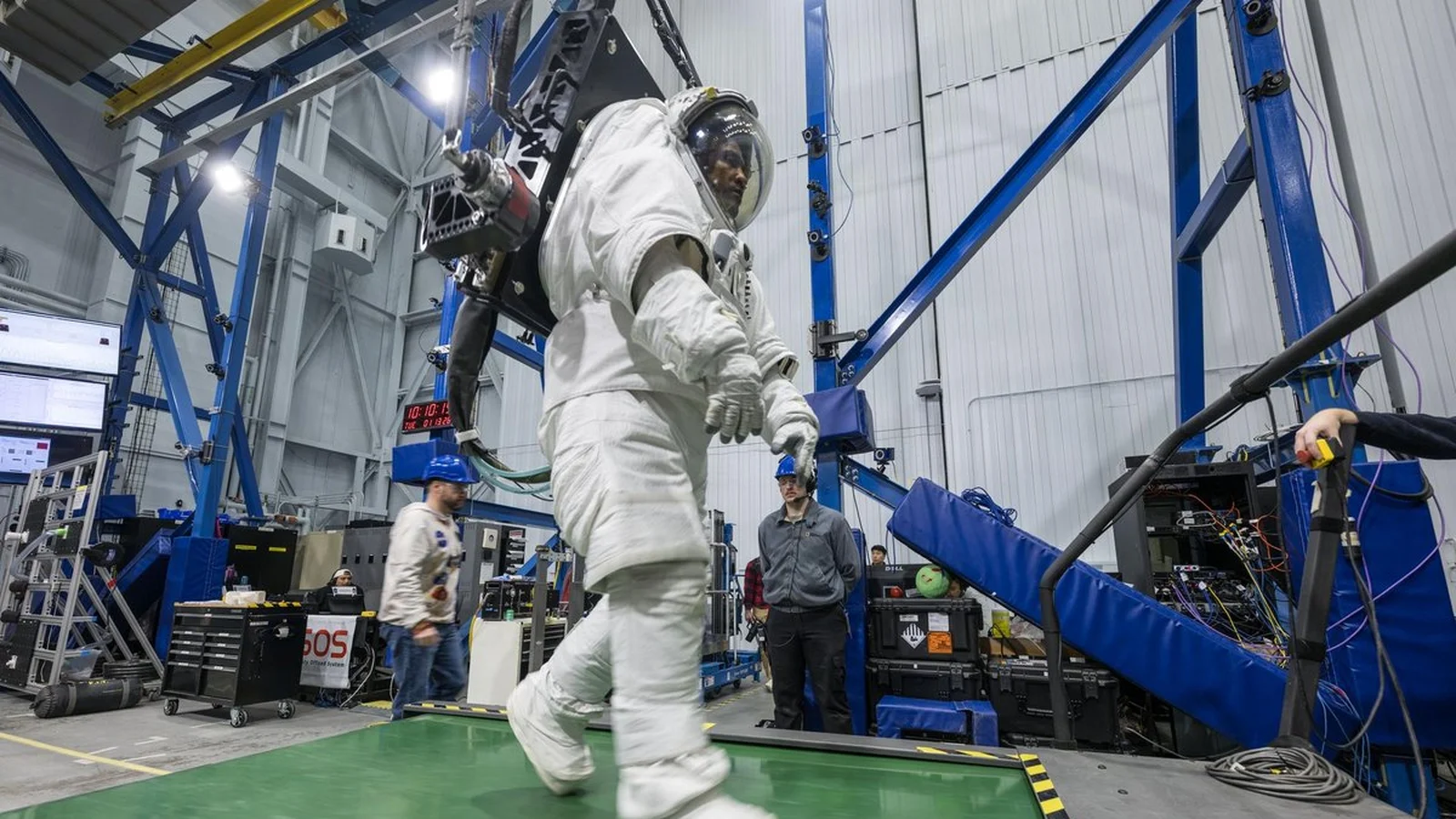
Besides the introductions, there will be an update on where things stand with the hardware and the training. The people they pick will be no strangers to the cockpit; they have to be up to the task of running the numbers on the mission’s most exacting parts.
NASA has already let on in a recent post that this is where they will try their hand at docking with a commercial lander in LEO, and they have put out a call for questions for the crew. Down at Johnson, they have made a point of the Orion’s separation sequence as a must-have for any deep-space work.
And after that
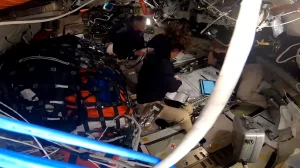
Once the crew is in place, the hard work of training begins. They will be putting in the hours to simulate the kind of pressure a lunar mission brings, to take some of the risk off the table before they try to put boots on the ground.
How this goes will dictate the pace for the rest of the programme. A smooth run of the books on the docking side means those lessons can be applied to Artemis-IV in 2028, when we should be seeing landings again.
For us on the other end of the screen, this is more than a list of names. It is a chance to see how NASA plans to join up with the privately built side of things. The who is the headline, but the how is what you should be watching for.