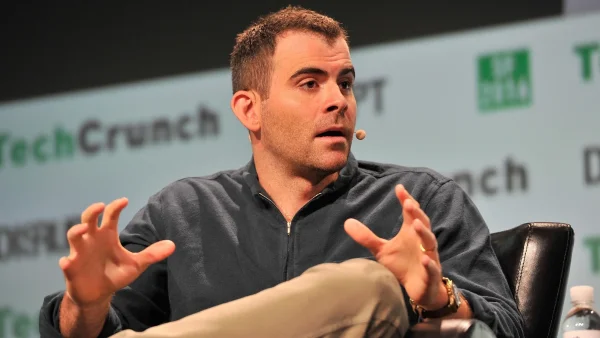
For a long time, phones and cameras have been trying to beat each other with more megapixels, better image processing, and portrait modes which copy the look of a photo taken with a good lens. Mosseri thinks this wanting of old, polished photography doesn’t fit with the way culture is going.
He isn’t saying these tools are bad; he’s saying they aren’t special anymore. When it’s easy to make things look perfect, people stop being interested in seeing them.
He believes that images which make people look good are now just what’s expected. It’s unedited images which stand out. He believes people want to see content that feels real, not just content that looks good.
AI is the larger issue. Mosseri cautions that AI pictures and videos are getting so good, so quickly, that you won’t be able to tell them apart from things made by a camera. This alters what motivates everyone involved.
Authenticity in a world of plenty
If anything can be faked, being real becomes rare. Mosseri says plainly that authenticity is becoming something that can be copied over and over. This oddity makes things harder for both people who make things and the platforms they use.
The thing that lets you be creative is going from ‘can you make something?’ to ‘can you make something only you could make?’ Who you are, how you see things, and where something comes from will be what sets you apart.
The growing popularity of the unedited look
Instagram is already showing this change. The very carefully chosen, polished main feed isn’t the main place people share personal things anymore. Stories and direct messages now have more of the everyday stuff.
Those moments are often blurry, wobbly, and not very flattering. That isn’t a problem with quality. It shows someone is there. In a world where perfection is simple, not being perfect looks like proof someone is alive.
Mosseri expects the move toward an unedited look to get faster. Smart creators will use shots which aren’t made up, obvious mistakes, and information that shows how something was made. Being raw isn’t simply what people want; it’s a way to avoid people wondering if something is real.
From automatically believing to automatically doubting
There’s a change in people’s minds, too. For most of the last hundred years, people could suppose that a photo or video roughly showed what really happened. That’s going away.
As fake media gets more common, people will more and more ask who posted something and why, not just what is in it. Who is telling the story is as important as the story itself. Trust moves from the image to the person behind it.
This change will be unpleasant. People are naturally inclined to believe what their eyes tell them. Platforms will have to help people get used to this without making sharing everyday things feel like a police investigation.
Putting labels on AI-made content will be needed, but may not be enough. Finding fakes will get better, but so will making them. The competition will favour the side which can change the fastest.
Showing where something comes from, not just finding fakes
Mosseri suggests a practical answer: put a ‘fingerprint’ on real media when it’s taken. Camera companies could use cryptography to ‘sign’ pictures and videos when the shutter button is pressed, making a record of who has had it which can’t be changed.
Standards for showing where something comes from already exist, and using hardware to do the signing could make them common. This doesn’t stop fakes, but makes it much easier to prove what is real, on a large scale. Where and when something was filmed or photographed matters, too – along with if it’s been altered – and what the person who posted it has done before. These things give people ways to work out who to believe, without making the experience take too long.
What this means for people who make content
If genuine stuff is hard to find, the content makers who can be genuine will be the ones who do well. That isn’t about not using tools, though; it’s about using them openly, and about choosing to share things that only you could share.
Good things to do in practice are to post almost as it happens, to show how things are made, not only the finished result, and to avoid too much smoothing or heavy editing of photos. Little faults can show you can be trusted.
Content makers can also explain what they were trying to do. Why does this moment matter? What made you change your mind? It’s difficult to make up personal background at a large scale, and it makes the connection with your audience stronger.
What this means for companies
Companies are facing the same change. Really polished adverts will still have a place, but pictures and videos that are too well made may be skipped over. People who watch appreciate detail and honesty.
We can expect more film of what happens behind the scenes, early versions of products, and stories from customers that aren’t written down in advance. The aim is to prove that something is real, not only to say it is. Credibility that can be measured is better than a fake good look.
The legal people and those who make sure the company follows the rules need to get ready for ways of proving where something comes from, keeping track of permission to use it, and clearly saying what parts have been made by computers. If you set out what to expect, you cut down on confusion later.
How Instagram intends to react
Mosseri sets out a plan with several parts. Instagram will make creative tools, using both AI and the usual methods, to help content makers compete with content made by computers. It will put labels on content made by AI more clearly as the AI gets better.
The site wants to work with companies that make cameras to check that something is genuine at the moment it’s filmed or photographed, giving priority to identifying real things, instead of trying to catch fakes. It will also show more of the things that show how trustworthy an account is, so people can decide who to believe.
The way content is given a place in the list will still give a good mark to original work. That means giving priority to content that shows a special voice, view, or method, rather than trends that look perfect, but don’t seem to have any personality.
Being open about how the system works and letting users control it are still on the list, though Mosseri suggests that is a longer-term aim. For now, the focus is on tools, where something comes from, and trust.
What camera companies should make next
If Mosseri is right, camera companies need to change what they do. The next thing that makes cameras different from each other isn’t how many megapixels they have. It’s truth, how it feels, and how easy it is to use for a new way of making things.
First, send proof of where something comes from as standard. Keys in the hardware that sign at the moment of filming or photographing, safe details of what it is, and clear histories of how it was edited give pictures a basis in fact that doesn’t make the person filming or photographing slow down.
Second, make for genuine filming or photographing. Add ways that cut down on too much smoothing of skin, too much making sharp, and smearing from noise reduction. Give ‘no change’ settings as well as computer photography.
Third, give priority to movement, bad light, and how people look. Keep grain and small differences in colour when people want it. Make movement blur and not quite being in focus look good, not as if something is broken.
Fourth, make available methods that let sites check signatures privately and at a large scale. Proof of where something comes from is most useful when it is automatic, respects people’s privacy, and is used by a lot of people.
Finally, change the advertising. Stop selling the idea of a perfect studio. Sell the feeling of being sure of what is real, the ease of being able to prove it, and the joy of catching messy life as it happens.
The main point
AI is turning good polish into something anyone can have. Being genuine, what something is in context, and proof of where it comes from are becoming things of value. Mosseri’s challenge to camera companies is a wider message to the industry: stop wanting a style from the past and start making for a future that is based on trust.
For content makers, the chance is clear. Make work that only you could make. Show the joins. Let faults do their quiet job. In the AI age, looking real isn’t enough. Feeling real is what wins.