The accusation from Tehran is that Washington is being disingenuous. They say the US is making a show of offering relief while in reality it is using a naval blockade to its advantage. It’s a charge put forward by a top aide to the supreme leader, one that ratchets up the tension on already-faltering talks and makes it all too possible that force will be used in place of diplomacy.
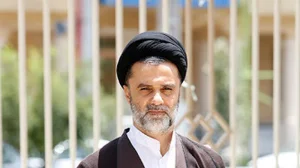
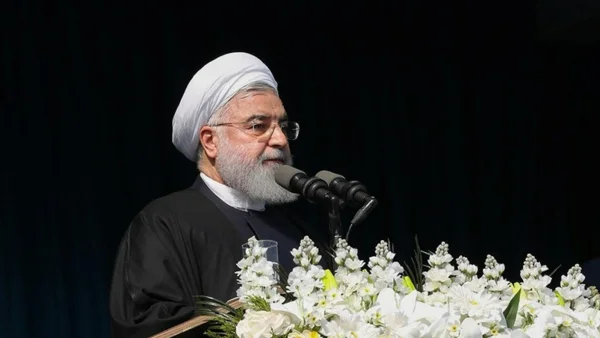
According to Mohsen Rezaei, who advises Supreme Leader Mojtaba Khamenei, this is the third time Donald Trump has let down the diplomatic process. In his view, the way the US is handling things is a clear sign they have no intention of coming to a settlement.
Rezaei says that as long as the blockade holds and the demands in the room are so steep, it is evident that Trump is after something else and is not in the mood to negotiate.
You can put to rest any idea of a done deal, say Iranian officials, even after a few weeks of back-and-forth. Esmaeil Baghaei of the Foreign Ministry concedes there is an ongoing exchange of messages with the US, but nothing has been put to paper yet.
Talks continue, but Iran says focus is ending the war
What we are looking to do is end the war, Baghaei said of the current state of play. As for the specifics of our uranium enrichment or the material itself? We are not talking about that right now.
You can see where the two sides are coming from in the way their officials have put it:
– Tehran: We’re here to put an end to the war.
– Iran: Not in the mood for a deep dive on enrichment just yet.
– Iran: We want to be in charge of the Strait, with Oman.
– US: No nukes for Iran.
– US: We want open, no-strings-attached access to the Strait.
– US: There is no money on the table.
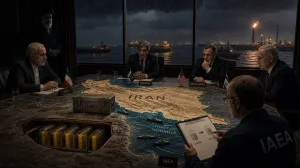
Control of the Strait of Hormuz
If the Strait of Hormuz is to be opened up again, Baghaei says it is a matter for Iran and Oman to sort out. There is no room in Tehran for the notion of some outside party having a say in how the waterway is run.
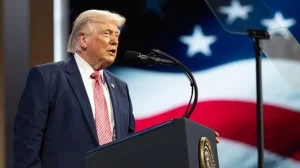
Trump outlines demands, Tehran disputes terms
Trump has made his list of what he expects from any kind of arrangement. He put it in writing: Iran has to come to the table and agree to never have a nuclear weapon or bomb. The Strait of Hormuz is to be open right away for shipping in either direction, with no tolls. And any and all water mines are to be done with.
He also put out word that the US is standing down its naval blockade. What’s more, he said the US, in concert with the IAEA and Iran, will see to it that the country’s stockpiles of enriched uranium are dug up and put out of commission. As for any kind of payout: “No money will be exchanged, until further notice.”
What each side is making of it
Tehran has had none of it.
According to people in the know, as put by Iran’s news agency, there is no provision in the deal for the Strait of Hormuz like some have claimed, and any talk of ridding the world of nuclear material is without merit.
White House deliberations and red lines
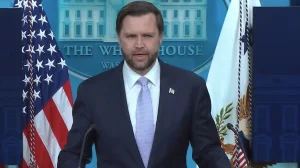
The White House has been hinting at a decision on the horizon, but that was before Trump wrapped up a two-hour session in the Situation Room on Friday and left with nothing decided. One of his officials put it this way: the president will only put his name to something that is in America’s interest and doesn’t cross his red lines. “Iran can never have a nuke,” the official said.
When diplomacy has a military backstop
Pete Hegseth, the defense secretary, made it plain that if talks go south, we have the means to act. “We are more than capable of picking this back up if we have to,” he said, pointing to the stockpiles we have in place, here and abroad. Central Command says its forces in the region are standing by.
It is a high-stakes game. The truce that Iran, the U.S. and Israel put in place on April 8 after 40 days of hostilities is tenuous at best, and it all comes down to what happens in these talks over the sea and the bomb.
Money and leverage
Then there is the matter of the purse strings. Sources say Iran is after $12 billion in assets they have on ice and won’t budge until they are freed up. It’s as much of a bargaining chip as anything else.
Tone has gotten stiffer in Iran when it comes to what they see as American hardball. Baghaei of the Islamic Republic was blunt: we put an end to the word ‘must’ 47 years ago.
Two stories, one question mark
But out here, you get different versions of events. “Both are putting out a line to keep their base happy,” said Ali, 49, from Tonekabon. “Hard to say who is being straight with you.”
All of this is rubbing up against the situation in Lebanon, which Iranian types insist has to be in any final package. With Pakistan in the middle, the talks are still a bit of a delicate operation.
What’s in store
In the end, it’s a matter of whether Washington and Tehran can find common ground. Until they do, the specter of another round of fighting is going to be right there in the room with them.