You can read this as Tehran putting up a hard line in the current negotiations. Two senior Iranian sources say Khamenei has made it clear: the near-weapons-grade stockpile is not leaving. There is a sense of unity in the leadership on this; they see no point in exporting material only to make themselves an easier target for American or Israeli strikes down the road.
What Khamenei’s order means for talks
It is a non-negotiable boundary, given Khamenei’s authority over state affairs. But in Jerusalem and Washington, it is seen as a direct challenge. President Donald Trump has told his Israeli counterparts he is confident the uranium will be moved out, and they consider it a must-have for any deal if you want to rule out a nuclear weapon.
Conflicting conditions from Washington and Israel
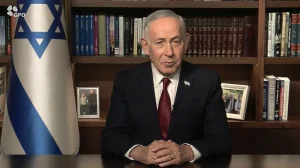
Netanyahu is even more blunt. He says there is no end to the war until the uranium is gone, along with Iran’s backing of proxy militias and its ballistic missiles. For his part, Trump said on Wednesday the US is prepared to hit back if Iran won’t come to the table, though he left open the possibility of waiting a few days “to get the right answers.”
Ceasefire strain and mistrust on both sides
The whole thing started with the US and Israel hitting Iran on February 28. A tenuous ceasefire has held, but with the fighting between Israel and Hezbollah in Lebanon, you can see how quickly things can go sideways.
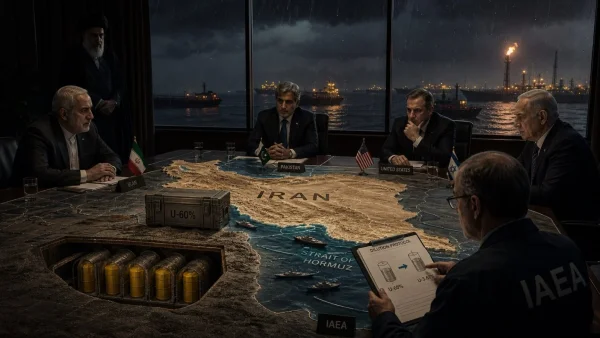
Right now, the talks are at an impasse. You have the US blockading Iranian ports and Iran holding the line on the Strait of Hormuz. Pakistan is in the middle of it all, but the big questions are still there.
Here are the positions shaping the next phase of talks:
– Iran says enriched uranium must not leave the country
– Israel demands removal, end to proxies, eliminate missiles
– The US signals readiness to strike without a deal
– Pakistan is mediating between the parties
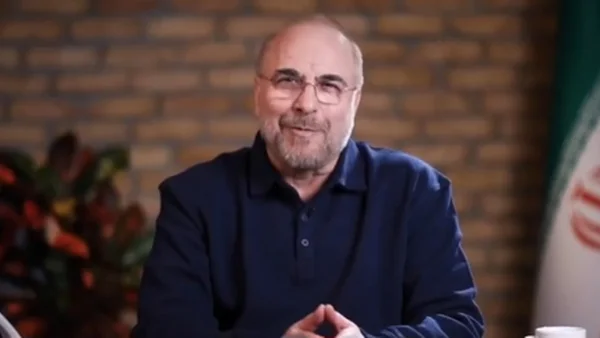
Some in Tehran think the lull is just Washington making room for another round of airstrikes. Qalibaf, the chief negotiator, has put a warning out about the "obvious and hidden moves” by the enemy. What Iran wants first and foremost is some real security from future attacks before they will sit down to talk nukes. They insist they don’t want a bomb and that some of this highly enriched fuel is for a research reactor and medical use.
They were once open to shipping out half of their 60% enriched reserves, but after a string of threats from Trump, the mood in the room has changed. The pressure is on not to be seen as soft.
Room for compromise and the IAEA numbers
Still, one source says there are workarounds. You could have the IAEA watch over a dilution of the material, for instance. That would lower the risk without having to send anything out of the country.
How much of the 440.9 kg of 60% enriched uranium the IAEA had on the books in June 2025 is left after the US and Israeli operations is anyone’s guess. IAEA head Rafael Grossi put most of what was left in a tunnel at Isfahan in March, with a bit more at Natanz.
The sides are still worlds apart on the uranium and on Iran’s right to enrich. Neither the White House nor the foreign ministry in Tehran would comment.
What to watch next
In the end, it comes down to whether both can agree on some verifiable steps. Israeli officials are on edge, not knowing if Trump will let them re-engage. And with oil being squeezed by the situation in the Strait of Hormuz, the clock is ticking.
For the moment, Khamenei has set the terms. Mistrust is high and the path to a way out is there, but it is a very thin one.