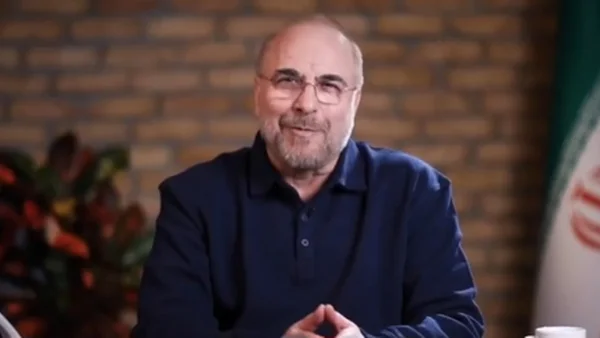
On Friday, Iran made it known there would be no easy way to a US-brokered extension of the truce. Parliament speaker Mohammad Bagher Ghalibaf was blunt: only deeds will move us, not talk. You have the Strait of Hormuz, you have oil, you have a tenuous ceasefire – all of it is up in the air right now.
Ghalibaf’s hard line resets expectations
You can read his take on X, where he makes the case that power is about force, not fine print. Iran, he says, will make its move once the other side does. Guaranteies don’t mean much; it’s military preparedness that tells you who comes out on top of an accord.
He was at the head of the Iranian side when they met with the Americans in Pakistan last month. He told me Iran’s clout didn’t come from those conversations but from the missiles we put on US bases and their allies when hostilities started on Feb. 28. ‘The one who is better for war is the one who wins the deal,’ he put it.
Proposed deal and unresolved language
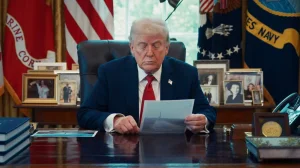
That kind of talk has put a damper on some of the good feelings in Washington. US people are saying they’ve put together a memorandum to put the ceasefire in place and open a door for more talks. But you won’t hear from President Trump on it, which leaves things in limbo.
‘It’s hard to say if or when the president will put his name to the MOU,’ VP JD Vance said. ‘We’re haggling over a few words here and there. We’ve come a long way, though.’
If you go by what the US is putting out, the arrangement would mean an end to the hassles and tolls for shipping in the Strait of Hormuz. In 30 days, Tehran is to pull up the mines. In return, the US stands down its blockade of Iranian ports as long as business is back to normal.
Tehran isn’t putting any of that in writing just yet. Their media is on record saying they won’t acknowledge anything Trump puts forward on his own. One source in Iran had this to say: the text is still being worked on and has been changed in the last few days.
Markets and maritime stakes
Traders have been reading the room. Asian equities were up on Friday and oil gave back a little as they re-evaluated the chances of a deal to make the strait a safe bet again.
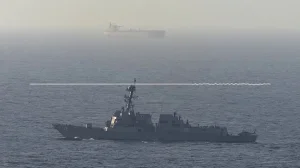
Iran has had the waterway in a chokehold since the fighting broke out. As of Thursday, they were saying they had put four ships in their sights for trying to run the gauntlet without permission. Come Friday, 24 had made it through, they said, with the go-ahead from the Revolutionary Guards and the foreign ministry. They also made it plain that any ship from a hostile nation would be dealt with harshly.
Some of the week’s main undercurrents:
– A lift in Asian stocks; a softening in oil
– Doha put on some talks with Iranian officials
– Both sides in Washington and Tehran point fingers at truce violations
– More ships are moving, but so are the warnings
Ceasefire pressure from Gulf to Lebanon
For the most part the ceasefire has held since the 8th of April, but this week both capitals have been at each other’s throats over breaches. The US made a play at the port of Bandar Abbas in the south and Iran returned the favor. Even in Kuwait, where we have troops, they said their defences were up to stop some of the missiles and drones coming in.
Then there is the rest of the region. In Lebanon, the culture minister is reporting that a medieval castle near Nabatieh has been hit by the Israelis and there is real peril for other old sites. He said the Beaufort was in the line of fire and the ruins of Tyre were close to the impact zone.
There was supposed to be a truce between Israel and Hezbollah starting the 17th, but it has been a non-starter. On Thursday, Israel went on the offensive for the first time in weeks near Beirut. Authorities are saying a woman and two kids were lost in the raid, even with the truce on the books.
What to watch next
Qatar is in the mix more than ever, with its ruler in conversation with Trump. From here it is a matter of whether they can iron out the wording, whether the president signs off, and if we see some de-escalation in the strait.
Keep an eye on these in the days ahead:
– If Tehran makes a formal statement on what it is on board with
– Any indication the mines are going or shipping is normalizing
– Some actual holding back from both, not just in theory