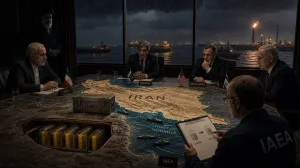
There is a small but real opening in the US-Iran impasse. As the negotiators from Tehran make their way to Doha to see if a truce is in the cards, they are also eyeing off some much-needed sanctions relief. But with Donald Trump saying any kind of ceasefire has to be a ‘great and meaningful’ one or nothing, the pressure is on. It all comes down to two things that have a global footprint: the Strait of Hormuz, where 20 percent of the world’s oil and gas runs through, and the stockpile of highly enriched uranium in Iran. One way or another, these will be the make-or-break for diplomacy.
High-stakes diplomacy in Doha
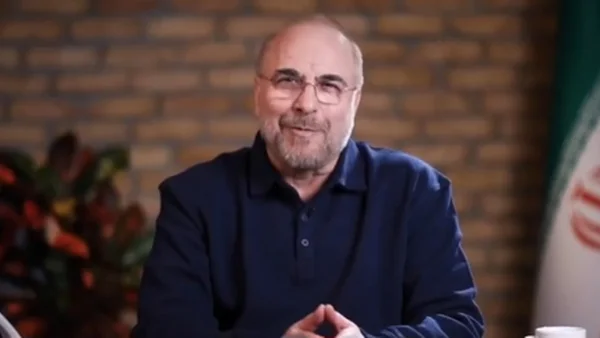
On Monday, you had Iranian Parliament Speaker Mohammad Bagher Ghalibaf and Foreign Minister Abbas Araghchi in the Qatari capital to see the prime minister, says an official in the know. The central bank governor is with them to put forward the case for unfreezing some assets. Those in the room say they will be having a long talk with senior Qatari types on matters tied to the back-channel with Washington. In some ways, Pakistan has been the lynchpin of this in recent weeks, helping to open up the road to a final accord.
US conditions and Trump’s message
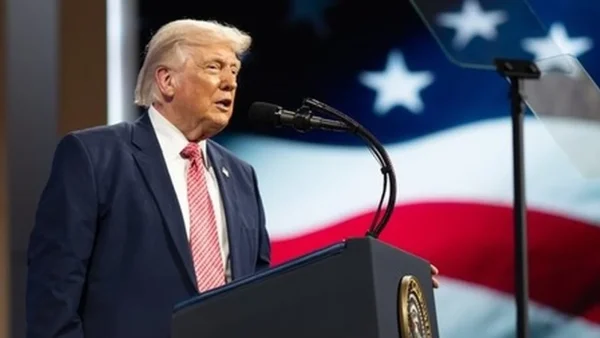
Trump was at it over the weekend, calling the Washington-Tehran file ‘largely negotiated’. He put it in the context of the Abraham Accords on Monday and said things were going along ‘nicely’. But he was firm on one point: a ‘great and meaningful’ deal or no deal. A US official put it in plain terms: we want the highly enriched uranium. If Iran doesn’t come around, there is no talking of lifting sanctions or releasing assets. It is a hard line and could be the end of the road for a deal.
Strait of Hormuz: reopening and a tolls dispute
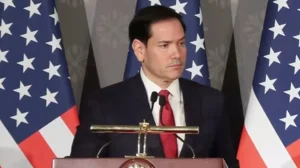
You can’t have a Doha agenda without the waterway, considering a fifth of the world’s oil and gas moves through it. A move here would be an instant de-escalation for anyone in the shipping business. But there is another matter. Iran has been mulling a toll for commercial traffic in the Strait. The Trump side is having none of it. Secretary of State Marco Rubio has been clear: no one is going to be asked to pay for the privilege of passing through.
What Iran wants, and what comes next
For its part, Tehran is not budging on the fact that an agreement means the fighting has to stop on every front, even in Lebanon. It makes for a more complex order of operations, but it is their bottom line. We are 12 weeks out from the US and Israel turning on Iran. What they are after in Doha is to put some political structure to the lulls on the battlefield, and in doing so, handle the nukes, the sea lanes and the economy. Negotiators have pointed to a few hurdles right in front of them: – The uranium handover – Whether to waive some sanctions and let the assets go – An accord on the Strait of Hormuz – Some words on those proposed tolls from Iran The next few days in Doha will tell us if common ground can be found over the red lines. Get a handle on what makes a ‘great and meaningful’ deal for Trump and what Iran needs for a ceasefire, and you might just see the conflict wind down and a key trade route put to rest. Don’t, and the door may well shut on you.