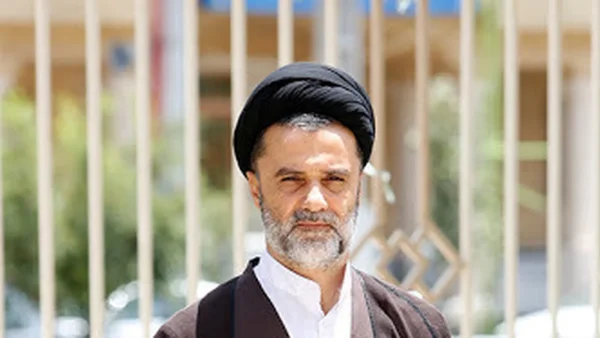
Nabavian said the US and Iran shouldn’t even be discussing the nuclear issue. He says the United States asked Iran to get rid of its uranium which is 60% enriched, and not be allowed to make any for twenty years. Iran has said no to this. Trump's willingness to wait is seen as increasing tensions.
Lawmaker calls Pakistan talks a strategic mistake
Nabavian, who is on the National Security and Foreign Policy Committee in parliament, shared a video of an interview where he repeated his point that bringing up the nuclear program in Pakistan was wrong. He thinks doing so has just given countries opposed to Iran more encouragement to push for what they want.
He said, in a post on social media in Farsi, that the Pakistan meetings were a strategic error, and once more, said discussing the nuclear issue makes the other side bolder.
Dispute over 60 percent enriched material
Nabavian states that the Americans demanded the removal of Iran’s 60% enriched uranium, and a twenty year restriction on making it. He says Iran wouldn’t agree to this. He didn’t mention when, or if, more talks might happen, or if Iran has put forward any other ideas.
Nabavian’s key assertions were:
– Talks in Pakistan were a strategic mistake
– The nuclear issue should not be negotiated
– US sought removal and a 20-year block on stock
– Tehran rejected those terms
US signals patience on any deal
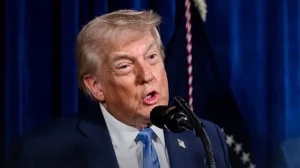
Donald Trump, when talking about this difficult situation, said he isn’t giving in to demands for a quick agreement. He says he has plenty of time, but Iran doesn’t. He will only make an agreement if it is good for the US and its allies.
Trump says Iran’s military has been seriously damaged and the country is completely blocked off from trade. Because of this, he thinks it’s okay to be patient. He added that a deal will happen only when it’s the right time and is good for the United States and, as he put it, for the rest of the world.
Domestic pressure and timelines
At the same time as all this discussion, people in the US are looking closely at what’s happening. During meetings in Congress, members of the President’s team mostly didn’t say when gas prices might go down. Some Republican members of Congress have quietly indicated that after 60 days of the current conflict, they might stop supporting the current approach.
What to watch next
Both sides are taking a very firm position. According to Nabavian, Iran will not accept any restrictions on its 60% enriched uranium, while the US says it will wait and has the upper hand. This big difference makes it unlikely there will be an agreement soon.
Important things to watch for are whether Iran will clarify what it will absolutely not accept in negotiations, and whether the US will clearly state what it is looking for in a possible agreement. Any change on either side could show if the current deadlock is becoming even stronger, or if things are slowly moving towards a new stage.
At present, each country seems to be trying to see how determined the other is. Nabavian’s criticism of the talks in Pakistan shows there are people inside Iran who are uncomfortable with how the negotiations are going and what they cover. The US is emphasizing its power, not how quickly it can reach a deal. What happens next will probably depend on whether talks restart with a more limited set of topics, or pause while more pressure is applied.