Karnataka completed its ten-day bird flu surveillance and containment work in Bengaluru, which had started because of the outbreak at the State Poultry Rearing Training Centre in Mathkuru, Hesaraghatta. There have been no cases of the illness in people in the areas where birds are infected or where they are being watched. They are still being very careful as they wait for the results of tests on staff who are being kept separate, and these tests were done on day ten.
The illness was first discovered on April tth, and lab tests confirmed it. This caused a quick and well-organized response. The Health and Family Welfare Department took the lead, and worked with Animal Husbandry and Veterinary Services to make a 0 to 3 kilometer zone where the infection is, and a 3 to 10 kilometer zone around that to watch for the illness.
How the operation unfolded
After the National Institute of High Security Animal Diseases confirmed the bird flu, state and district teams that respond quickly to problems were sent out. Teams from the Hesaraghatta and Sonnenahalli Primary Health Centres helped with the work on the ground.
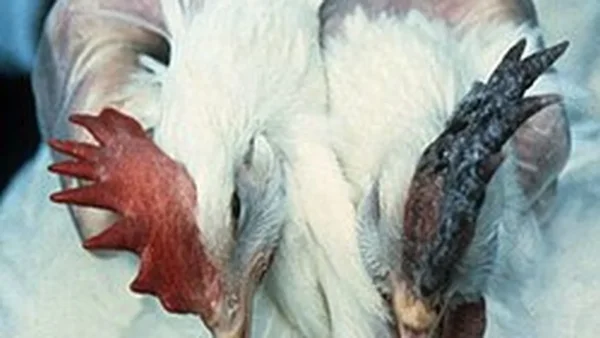
The Department of Animal Husbandry and Veterinary Services killed all the birds at the facility. Following national and international rules for biological safety, the eggs and food that had been contaminated were removed safely.
Key steps taken during the operation included:
– Establishing a 0-3 km infected zone
– Setting up a 3-10 km surveillance zone
– Culling birds and disposing eggs and feed
– Multiple sanitation rounds as per protocol
– Surveying 28,172 people across 22 villages
Surveillance on the ground
Health teams went door to door in 22 villages over ten days, doing checks more than once. Officials say that cleaning was completed in the wider area being watched, following the correct procedures.
The health department said all staff who were being quarantined were tested. Samples taken from the nose and throat on day five and looked at at NIV-Bengaluru didn’t have the H5N1 virus, which was good to know early on.
Human health monitoring and results
Officials have confirmed that no people in the infected or surveillance zones have gotten the H5N1 bird flu. On day ten, more nose and throat samples were collected from the staff in quarantine and the results of those tests are still coming.
Hospitals in Bengaluru have been told to carefully watch for illnesses with fever, cough and body aches, and severe respiratory infections. They are also told to have enough supplies available to respond quickly if needed.
Facilities have been directed to ensure these supplies:
– PPE for healthcare workers
– Triple-layer medical masks
– Oseltamivir antiviral stocks
– Viral transport medium
– Throat swab kits
Advisory for residents
Officials are advising people not to touch or eat meat or eggs from birds that are sick or have died. People are being asked to immediately report to local animal or health officials if they see any sick or dead birds.
People have also been reminded to fully cook poultry and eggs, as this destroys the virus. The public is asked to follow the official advice and not spread information that hasn’t been checked.
Next steps and restrictions
On April 21, the Department of Animal Husbandry and Veterinary Services gave a certificate showing the area had been cleaned. As an extra safety measure, no birds will be raised at the farm for three months.
During those three months, the whole farm area will be cleaned with disinfectant many times, every two weeks. Officials say this will be done by using fumes inside buildings and sprays outside, and following biological safety standards.
Because the state acted quickly, the risk to people and the communities near Hesaraghatta has been limited. Authorities say they will keep watching the situation until all the remaining tests come back and the cleaning is finished.