Nirmala Sitharaman has asked Sebi and all the companies they oversee to be on high alert for changing cybersecurity threats, and warned that AI-powered attacks could really shake up the markets and destroy the public’s faith in them. She spoke at Sebi’s 38th anniversary, describing the danger as both happening now and affecting the entire system, and insisted on quicker, coordinated defenses.
Cyber threats top regulatory agenda
Sitharaman believes that cybersecurity is the most important new problem for India’s financial markets. She cautioned that a successful cyberattack on a main stock exchange, a depository, a clearing organization, or a large brokerage could cause chaos across the country and cause people to lose all their money.
She says AI tools are making attacks quicker, able to change to get around defenses, and easy to increase in size. She pointed out risks from automatically finding vulnerabilities to problems within the supply chain and synchronized attempts to get in that adjust as they happen to avoid being noticed.
She stressed that it’s not only Sebi that needs to be extremely watchful; all regulated businesses must be too. Because the tools used for attacks are getting better at a very fast pace, she said our defensive tools need to get better even faster to maintain the market’s integrity and investor confidence.
Here are the attack vectors she highlighted as rising risks:
– Automated discovery of system vulnerabilities
– Malicious interference in source code
– Software supply chain compromises
– Coordinated, adaptive intrusions
Vigilance beyond Sebi: priorities and frameworks
The framework for cybersecurity and being able to recover from cyberattacks, put in place in April t 2025, is a good starting point, the Finance Minister mentioned, but we have to do more. She wants us to continually improve how we watch for problems, how we find them, and how we react to them, all as technology changes.
Her comments are happening when people all over the world are worried about advanced AI models being used in cybersecurity. She recently had a meeting with the heads of banks to discuss the possible cybersecurity dangers from these advances, showing how important it is to be prepared.
Investor protection and public awareness drive
Sitharaman highlighted the huge number of fake investment videos and apps on social media, many of which use “deepfake” AI to pretend to be famous people. She praised Sebi’s system for checking, which lets investors confirm payment information for official financial companies before sending money.
She strongly urged Sebi to spend a lot of money quickly and publicly on informing the public. She wants them to reach people on all the major social media platforms, in local languages, and to quickly remove fake content that is pretending to be from government officials.
Market development: better, not bigger
The Finance Minister said India needs markets that are better, not just larger, and specifically called for a more developed market for bonds and a strong effort to promote bonds issued by cities and towns. She believes that funding for city infrastructure can’t only come from the usual government budgets.
She also wants a smooth, safe, and easily transferable “know your customer” (KYC) process throughout the financial industry. Additionally, she wants to make the procedures for investors and financial companies simpler to make things more efficient, without reducing the security.
Sitharaman asked Sebi to have more frequent and detailed discussions with their counterparts in other countries and the most important people in the market. She said the main priorities should be fraud that crosses borders, how AI is being used in the markets, how companies report on being environmentally responsible, and how different systems for finishing a trade can work together.
Key directions she set for the regulator were clear:
– Expand structured global consultations on emerging market risks
– Focus on cross-border fraud and AI use in markets
– Strengthen sustainable finance disclosures
– Advance settlement interoperability and process efficiency
– Prioritise municipal bonds and seamless KYC
She added that a way of regulating that isn’t too strict, combined with getting feedback from the public, is essential for a healthy economy and good government. She suggested this balance will encourage new ideas while still protecting investors.
Scale of the market and call for trust
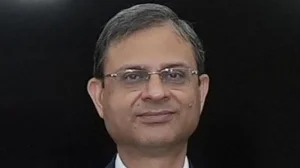
Tuhin Kanta Pandey, the Chairman of Sebi, said the industry needs to go beyond simply following the rules and show a real commitment to fairness, honesty, and new ideas. He emphasized that financial companies are often where investors first place their trust, and investors themselves must also be careful and responsible.
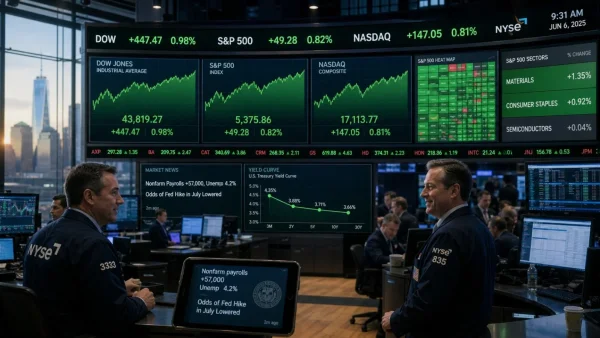
India’s stock markets now include more than 5,900 companies whose shares are publicly traded and over 140 million individual investors. Over the last ten years, the total value of the market has grown at an average rate of about 15% a year, and the amount of money in mutual funds has increased by more than 20% each year. In the fiscal year 2025-26, a record 366 new companies went public (IPOs) and raised around Rs 1.9 lakh crore.
What comes next
Sitharaman’s message was very clear: make our defenses against cyberattacks stronger, improve how we protect investors, and update the market’s basic systems. She told Sebi to increase discussions, improve defenses, and speed up public education to fight fraud and deepfakes.
Since AI is changing both how attacks happen and how we defend against them, it’s very clear what we must do. Being watchful, acting quickly, and working together will decide how well India’s markets can withstand these new dangers.