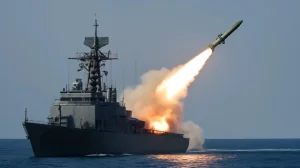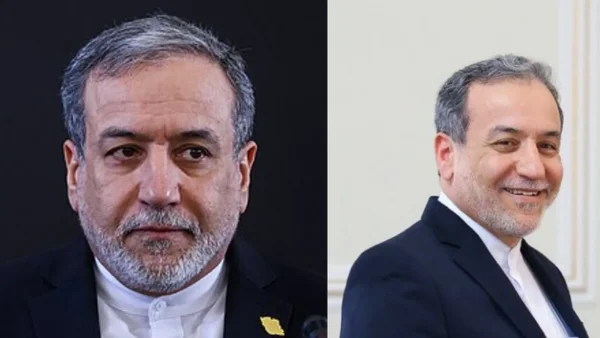
As Araghchi started these important talks in Islamabad, Iran’s military was very firm in its message. A leading spokesperson from the defence ministry stated that a lot of Iran’s missile power hasn’t been utilized, and that they’ve been careful and are a deterrent as diplomacy happens, and perhaps as messages go to the Americans in Pakistan.
Iran signals restraint while stressing capacity
Brigadier General Reza Talaei-Nik of the Defence Ministry said that during the recent fighting, Iran hasn’t used most of its missile strength. He also stated that the military showed restraint, and were totally in charge of the airspace over territories they’ve taken, right up until the truce.
The equipment coming off of Iranian production lines now is all made in Iran. This ability is the result of over 25 years of constant investment. Factories making this equipment are spread throughout the country, meaning that production can continue even if some are destroyed.
Talaei-Nik said over 1,000 different types of weapons are being made in Iran. About 9,000 companies are working with the Armed Forces and Defence Ministry, providing parts, technology, and assistance to the defence industry.
Here are the key statements from Iran’s Defence Ministry spokesperson:
– Most missile capability remains unused
– Full control claimed over contested airspace
– More than 1,000 weapon systems made domestically
– About 9,000 firms support defence production
Diplomatic track in Islamabad
Araghchi is in Islamabad to talk to Pakistani leaders. A group of American representatives are also going to the city. It seems Araghchi won’t be meeting with them directly, and will instead give Iran’s plan to end the war to Pakistan, who can then communicate it to the US representatives.
It had been suggested earlier that a meeting with US negotiators was possible. Now it looks like messages will be sent through someone rather than a direct meeting. The fact that Iran is doing both diplomacy and making military statements shows how important reducing the fighting and any future agreement will be.
What Iran says it wants next
According to the Defence Ministry spokesperson, Iran’s military had the upper hand and attacked back while still protecting its air defences. Iranian leaders say Araghchi’s trip to Islamabad is to get Iran's position on ending the war to the US people, and Pakistan will be the way to do that.
Strait of Hormuz and domestic mobilisation
Talaei-Nik said Iran effectively shut down the Strait of Hormuz because of what they call an American blockade. They see the waterway as a way to get what they want from the US. He also said that Iranian forces have made ships on the other side in the Gulf of Oman move away by carefully watching and controlling the area.
The spokesperson also praised the large rallies supporting the government as something amazing. He says over t30 million people have signed up for a nationwide campaign to show they’re ready to protect the country. The Iranian government says this mobilization is to stop people from creating problems within Iran.
Internal debates and what to watch
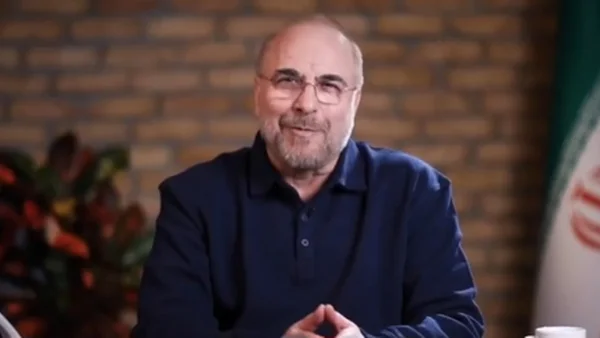
The Institute for the Study of War has a new assessment saying that Brigadier General Ahmad Vahidi, who is in charge of the IRGC, and his closest advisors have repeatedly prevented Mohammad Bagher Ghalibaf (the Speaker of Parliament) and other more reasonable officials from pushing the government towards a more flexible approach to negotiations.
These claims show that there are disagreements about what to do within Iran as it tries to both negotiate and deter. It will be important to see if the message about unused missiles, making weapons at home, and controlling important waterways has an effect on the talks in Islamabad, and if the indirect communication with the US representatives can lead to a ceasefire.