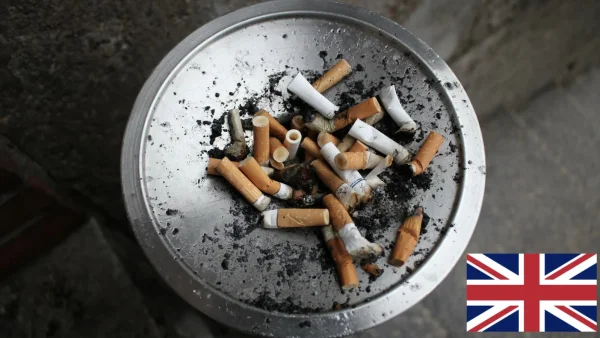
This Tobacco and Vapes Bill, considered one of the strictest in the world, stops anyone born on or after January 1st, 2009 from being sold tobacco. It also makes vaping much more regulated throughout the UK.
The bill went through both the House of Commons and the House of Lords and shows a big change in how the government approaches public health. Authorities in the UK have long said that smoking is a primary reason for people to become sick, disabled, or die from something that could have been prevented, and they see this law as a strong answer to that problem.
What the Tobacco and Vapes Bill Changes
The main part of the law is a lasting, age-based prohibition on selling tobacco to those younger generations. From 2027, the age you are legally allowed to buy tobacco will go up by one year each year. So, if you aren’t 18 by January 1st, 2027, you will never be able to legally purchase tobacco.
This ban will be in place in England, Scotland, Wales, and Northern Ireland. The governments of those four parts of the UK have been working together to make sure the rules are the same everywhere.
Stricter Rules on Smoking and Vaping
The law will expand smoke-free areas to include some public places outside. Specifically, it will cover the areas outside of schools and hospitals, and children’s playgrounds, to better protect young people.
The rules for vaping will be very similar to the rules for smoking. Most places where you can’t smoke indoors will also be places where you can’t vape. You will not be allowed to vape in cars with anyone under 18, which is the same as the current rules for smoking in transport.
Where Smoking and Vaping Remain Permitted
However, outdoor seating at pubs (pub gardens) and wider outdoor spaces like beaches, and other private outdoor areas, are not included in these rules. And the law won’t stop people from smoking in their own homes.
Retail, Advertising, and Product Oversight
Shops will have to pay fines if they sell tobacco to people who are too young under these new rules. The way the law will be enforced is intended to support the gradual, permanent ban and discourage people from breaking it.
The government will have new abilities to control tobacco, nicotine and vaping products; this includes controlling the flavours and the packaging. They will also start a system where all of these products have to be registered when they come into the UK, so they can be better monitored.
Key Provisions at a Glance
These measures set out the law’s most consequential changes.
– Lifelong tobacco sales ban for those born on or after 1 January 2009
– Legal buying age increases by one year annually from 2027
– Vape-free rules aligned with most indoor smoke-free areas
– Bans near schools, hospitals, and in children’s playgrounds
– Vaping prohibited in vehicles with under-18s
– Penalties for retailers who breach age rules
– New powers over flavours, packaging, and product registration
– Advertising ban for smoking and vaping products
Advertising for both cigarettes and vapes will be banned under these new rules. The aim is to reduce how often young people are exposed to nicotine products and to make them less appealing.
Why It Matters and What Comes Next
People who support the law say it will stop young people from starting to use nicotine and lower the amount of long-term illness. By steadily removing access to tobacco for younger age groups, the UK hopes to see the number of people who smoke decrease steadily over the years.
The law needs King Charles III to give it Royal Assent before it actually becomes law. Once it is a law, government officials will begin to use their new powers, and advice will be given to shops, local councils, schools and doctors’ offices.