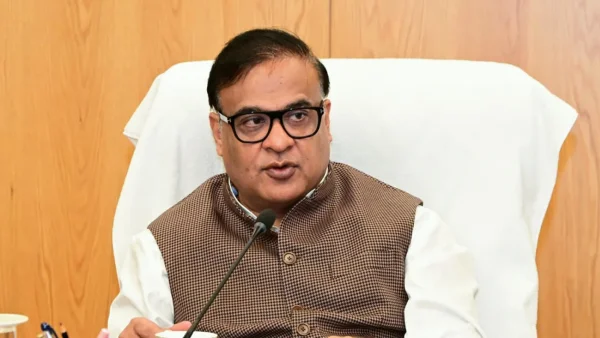
As Assam continues to grapple with recurring floods, Chief Minister Himanta Biswa Sarma has appealed to citizens to donate directly to the Chief Minister’s Relief Fund instead of contributing to unverified private fundraising campaigns.
In a public message, the Chief Minister said that while many people genuinely collect donations for flood victims, there is also a risk that some individuals may misuse money collected in the name of relief efforts. His advice was straightforward: if people wish to help, they should contribute through official government channels.
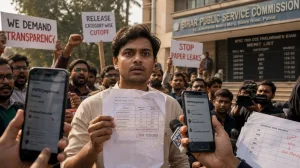
However, the appeal has quickly become the subject of political debate on social media, with critics questioning whether directing donations primarily to an official relief fund reduces public scrutiny or sidelines independent humanitarian efforts.
What Did the Chief Minister Say?
According to the widely circulated message, Himanta Biswa Sarma urged donors to:
Contribute directly to the Chief Minister's Relief Fund.
Exercise caution before donating to private fundraising drives.
Be aware that some collections made in the name of flood relief could potentially be misused.
The appeal comes at a time when social media has made it easier than ever for individuals and organizations to launch fundraising campaigns during natural disasters.
Why Governments Prefer Official Relief Funds
Governments often encourage donations through official relief funds for several reasons:
Donations can be centrally accounted for.
Funds can be distributed according to government disaster-response plans.
Official audits and financial reporting mechanisms may apply.
Coordination with district administrations becomes easier.
Supporters argue that centralized funds reduce duplication of relief efforts and improve accountability.
The Other Side of the Debate
Critics, however, argue that civil society organizations, local charities, and volunteer groups often reach affected communities more quickly than government agencies, especially during the early stages of disasters.
They contend that citizens should retain the freedom to support trusted non-governmental organizations or community initiatives, provided those organizations are transparent about how donations are used.
The controversy, therefore, is less about whether people should donate and more about who should be trusted to manage relief funds.
Transparency Is the Real Issue
Whether donations go to a government relief fund or a private charity, experts generally agree on one principle: transparency builds trust.
Good practices include:
Publishing audited financial statements.
Disclosing how funds are allocated.
Providing regular updates on relief work.
Maintaining independent oversight where applicable.
These measures help reassure donors that their contributions are reaching those in need.
Social Media Reactions
The Chief Minister’s appeal has generated sharply divided reactions online.
Some users welcomed the advice, arguing that disaster relief should be coordinated through official channels to minimize the risk of fraud.
Others questioned whether concentrating donations in government-managed funds is always the best approach, arguing that independent organizations also play a vital role during emergencies.
Some social media posts have gone further by alleging impropriety involving relief funds. As of now, such allegations have not been established by any court or official investigation and should not be treated as proven facts.
The Bigger Question
Natural disasters often bring out extraordinary generosity from the public. They also create opportunities for fraudulent fundraising, making verification more important than ever.
Ultimately, the debate is not simply about one relief fund or one government. It is about ensuring that every donation—whether made to an official fund or a reputable charitable organization—is handled with transparency, accountability, and in the best interests of those affected by disaster.
For donors, the most important question remains the same: Will the money reach the people who need it most?