The Iranian Embassy in India has stopped using the bank accounts they had for donations and have asked people to stop sending money to those accounts, or to any other account claiming to be from the embassy. This was announced on X (formerly Twitter), with thanks for the ‘very good’ support and togetherness shown by Indians.
Embassy announcement and public advisory
The embassy said in a quick message on X that the specific accounts for receiving money are now closed. They told people not to send money to those accounts, or any others said to be from the embassy, and to be careful and clear about where their money is going.
The embassy said they are thankful to the Indian public for their ‘very good’ support. They said the accounts are closed after a lot of people generously gave money and showed they were with Iran, and official sources will give instructions if new ways to donate are set up.
Local fundraising efforts in Budgam and Kashmir
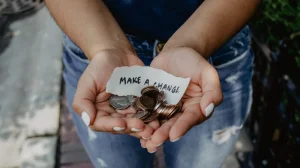
Throughout Kashmir, local people have come together to help Iran because of the problems in the Gulf area. People in Budgam set up a place at Masjid Imam Zaman to collect gold, silver, copper, and money to help with rebuilding and relief work.
Those running the collection point said it showed how sincere and kind people are, even those who can’t physically go to Iran to help. Women gave jewelry and money that had been in their families, and described their gifts as both help for people and a way of showing they are with the people who are suffering.
Individual acts of sacrifice and solidarity
The embassy said the really personal donations show how much the public cares. They mentioned a woman giving a gold item she had to remember her husband, who died 28 years ago. The embassy said gifts like these give the people who need help ‘the best comfort.’
These individual stories show how kindness from local people can affect people in other countries. The embassy thanked Kashmir and India, saying they will ‘never forget’ the kindness and humanity of the people who gave and volunteered.
Reasons for deactivation and donor precautions
The embassy didn’t say exactly why they’re closing the accounts, but closing them often happens after they’ve worked out what is needed, or for legal or banking reasons, or to make sure people aren’t being tricked out of their money. People donating should take this as a signal to check any future ways of donating through the official communications of the embassy.
To protect the money and the people giving it, check the embassy’s official posts on social media, call or email the embassy (the numbers and address are on the embassy’s website), and don’t send money to people you don’t know or accounts that haven’t been verified. Doing this lowers the chance of being scammed and makes sure the money gets to the intended relief effort.
Implications for humanitarian giving and next steps
Closing the accounts doesn’t change how much of an effect the donations already received have had, or the spirit of togetherness they show. It does show what embassies do in organizing donations and how important it is to have clear and safe ways of sending international humanitarian aid.
People in official positions and community leaders can now record the donations, support known and trustworthy aid organizations, and tell the public what to do next. Those who want to donate should wait for clear directions from official sources, or give to well-known aid organizations which are transparent in how they operate.
By saying thank you to the generous people of India and closing the donation accounts, the Iranian Embassy in India has shown its appreciation and said that direct collecting is paused. The message reminds potential donors to be careful, and at the same time celebrates the local kindness that went beyond countries and cultures.