An automatic send-off for tugging at someone’s hair is a thing of the past in the top flight from 2026-27 on. Referees will have to make a call based on what they see. The league is also putting the squeeze on holding and has put a premium on goalkeeper safety, all in the name of making decisions that ring true to the nature of the sport.
Hair pulling no longer automatic red
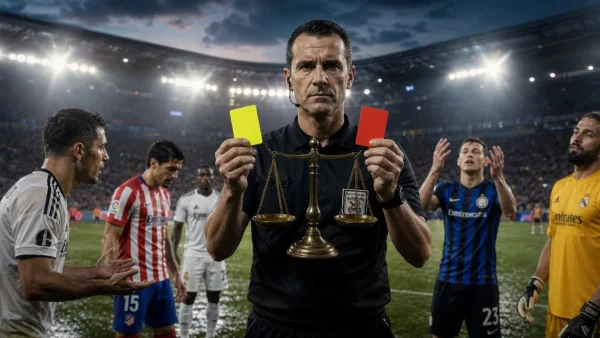
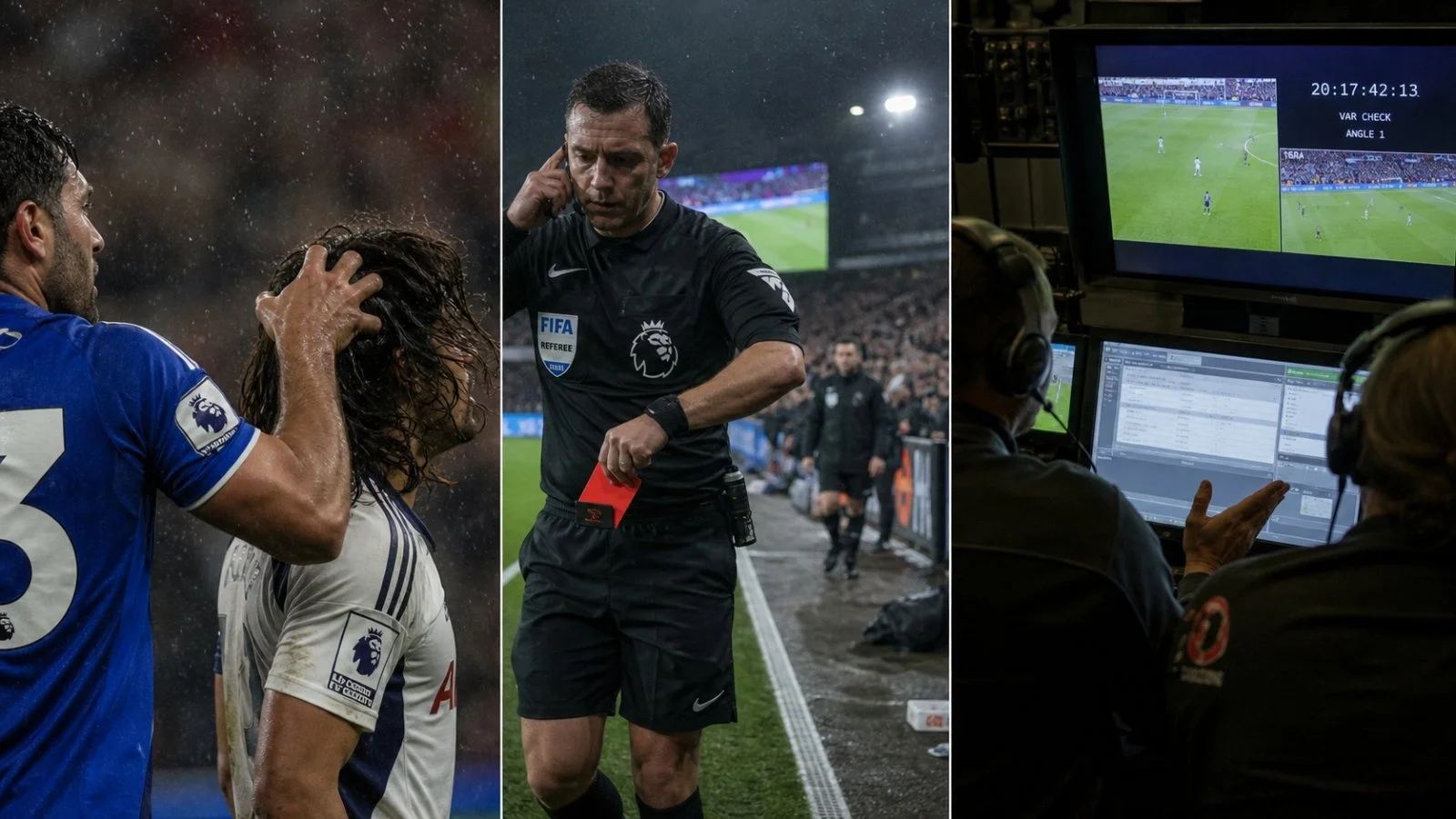
The new book of rules is straightforward: you only get shown the red if there is “excessive force and/or brutality” to it. Do it on purpose but without that level of severity? You’ll be looking at a yellow.
The Premier League is keen to point out that this is about clarity. They’re done with the one-size-fits-all view of hair pulling as violent conduct; now every case is on its own merits.
Why the shift matters now
You only have to look at last year’s high-profile ejections – think Lisandro Martinez, Michael Keane, Dan Ballard – to see why the conversation is happening. Those incidents left a lot of people questioning whether the punishment was in proportion to the act.
By making a distinction between force and intent, the league is trying to put a stop to red cards where they don’t belong, while still nailing the cynical ones. It’s about letting the ref on the ground do his job without being too lenient on serious fouls.
Holding to face tighter checks
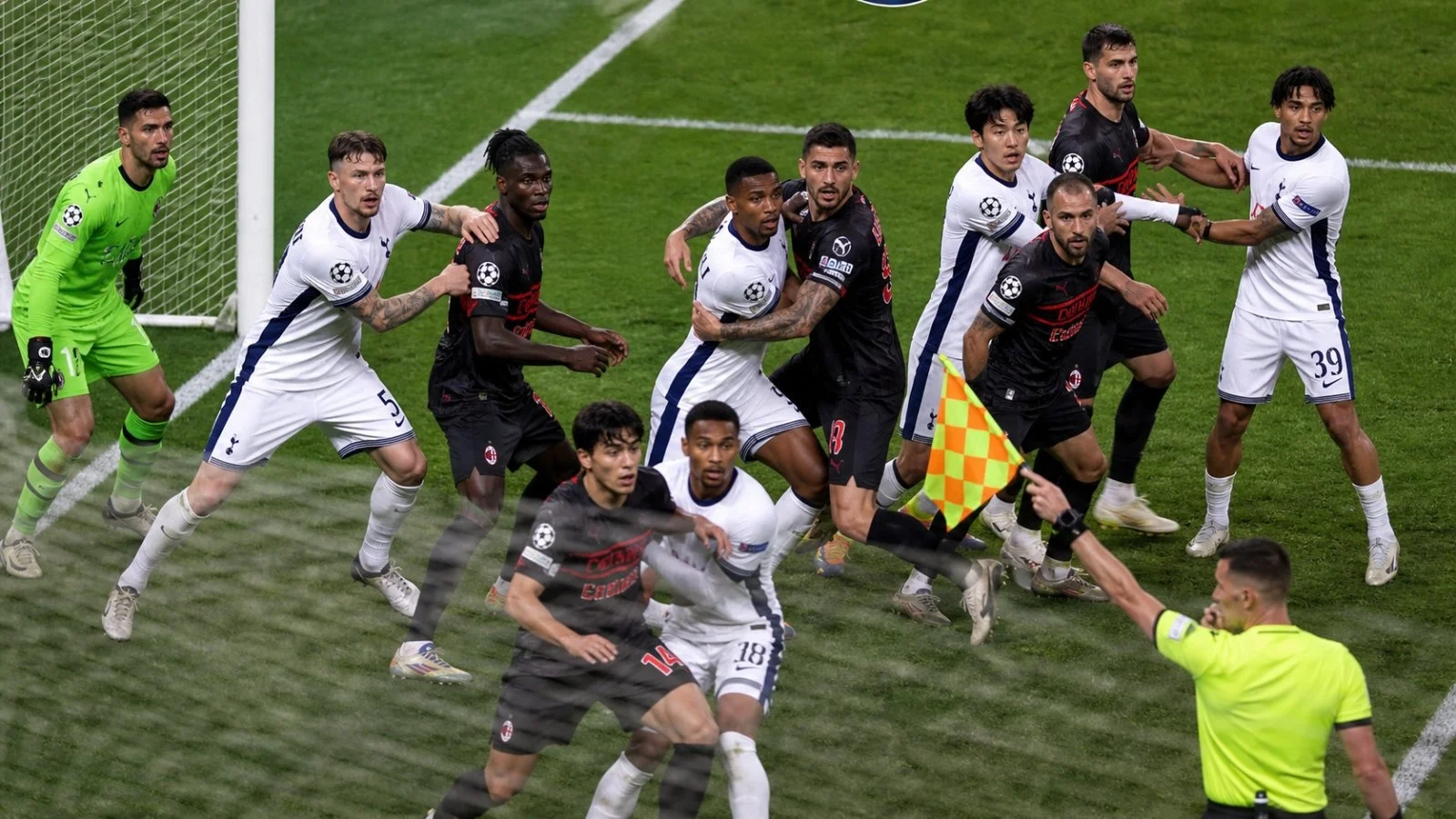
It’s not just about hair. We’re going to see officials zero in on holding, particularly when it’s used as a cheap way to put an opponent off. Set-pieces are where you’ll notice it most, as the old habits of blocking and wrestling are less likely to be tolerated.
Make no mistake: if a defender is more interested in tying up an opponent than going for the ball, he’s in for a foul. It should lead to a bit more room for the attackers to have their say in a fairer manner.
To put the new tone in perspective for those on the touchline and in the stands, here is what you need to know:
– Get in the way of a player and you’ll be whistled for it
– Your challenge has to be for the ball, not the man
– Any grappling at set-pieces will be under a microscope
Goalkeepers to get added protection
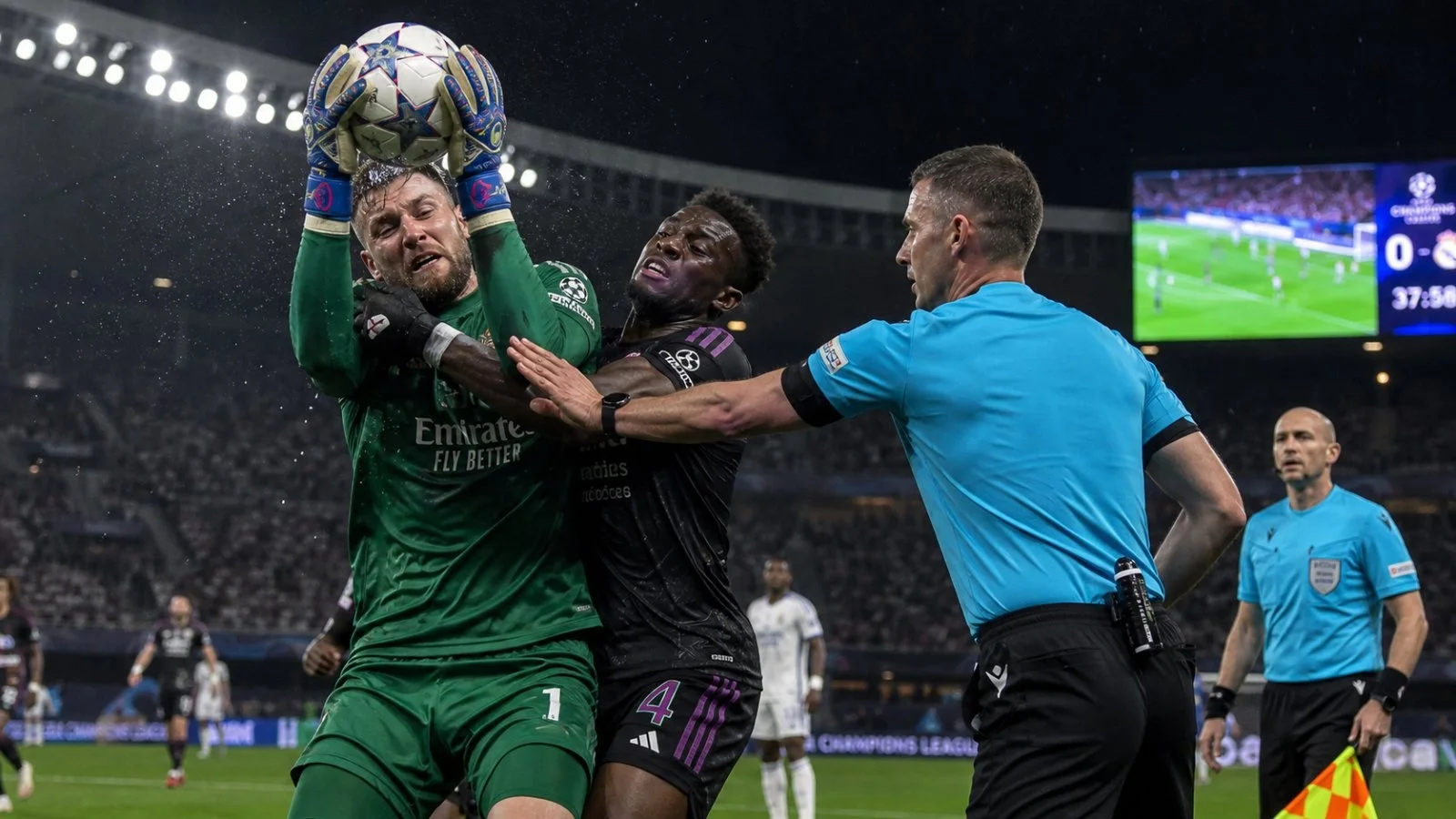
When a keeper is made contact with and there’s no real attempt to play the ball, the ref is to put safety first. Hinder him from making a save or a claim and it’s more than likely to be called.
That may well change the dynamic in a packed box. Forwards have to be sure of their intentions when a cross comes in, and defenders can no longer hide behind their keepers to rattle an opposition striker.
VAR and handball approach stays restrained
Some of the lines are being redrawn, but the league is standing by its "less is more” philosophy when it comes to handballs and the video room. Let the on-field decision be unless you can point to a “clear and obvious error”.
The idea is to let the game run and not have to second-guess everything. It puts the onus back on the referee, with VAR there as a safety net, not to re-make the match.
What it means for next season
Put together after some talks with the Game Improvement Advisory Group, these directives are meant to be an incentive for good football. By drawing a line under excessive force, being hard on holding and having the keepers’ backs, the Premier League wants to see a more even contest.
Managers and their staff have work to do. The way you handle things in the penalty area or at a free-kick is going to have to be rethought to fit with the new standards for what gets a card and what doesn’t.